
Home
What Happens To Your License After A DUI Arrest In Colorado


If you have been arrested for driving under the influence (DUI) in Colorado, the future of your driver’s license is likely one of your top concerns. Understanding what to expect, the legal processes involved, and the steps you need to take can make a significant difference in the outcome. The impact of a DUI arrest on your license is immediate and long-lasting, so it is crucial to understand your legal rights and obligations. For comprehensive assistance tailored to your specific situation, visit martinlawfirmpc.com.
The administrative and criminal consequences related to your license occur on parallel tracks, each with its own requirements, deadlines, and penalties. The best decisions come from being informed about both aspects and being proactive immediately following a DUI arrest in Colorado.
Immediate License Consequences After a DUI Arrest
In Colorado, being arrested for DUI triggers an immediate administrative process to suspend your driver’s license, conducted by the Colorado Division of Motor Vehicles (DMV). If you fail or refuse a chemical test (such as a breathalyzer or blood test), the arresting officer will serve you with a Notice of Express Consent Affidavit and Notice of Revocation. This legal document serves as a temporary driver’s permit for only 7 days.
Within this short window, you must decide whether to request a DMV hearing to challenge the license suspension. If you do not act within this period, your license will be automatically suspended by the DMV, independent of any upcoming court dates.

The Administrative Hearing Process
The administrative hearing is your primary chance to fight the automatic license revocation. You must request this hearing within seven days of receiving your Notice of Revocation. Failing to do so almost always results in a default license suspension.
At the hearing, you have the opportunity to present evidence, challenge the officer’s testimony, and possibly preserve your driving privileges. However, the standard of proof is much lower than in a criminal trial, making it easier for the DMV to uphold the suspension.
The Criminal Case and License Suspension
In addition to the administrative proceedings, your DUI arrest also starts a criminal case. A conviction in court can lead to additional license sanctions, including a longer suspension and requirements such as alcohol education classes and community service. For repeat offenders, penalties become substantially more severe.
The consequences of a criminal conviction can compound administrative penalties, potentially extending your time without full driving privileges.
Early Reinstatement and Restricted Licenses
Colorado law allows some drivers to seek early reinstatement of their license with strict conditions, including the installation of an ignition interlock device and proof of enrollment in required alcohol education programs. Drivers must carry special insurance (SR-22) and comply with all DMV requirements.
First-time offenders with no aggravating factors may qualify for restricted driving privileges to attend work or school. This restricted license often comes with limitations and ongoing monitoring, but can help maintain some normalcy while you complete mandated requirements.
Steps to Take After Your Arrest
- Request a DMV hearing immediately, as you have only 7 days from your arrest to do so.
- Consult a defense attorney who specializes in Colorado DUI law. Legal advice can significantly influence your options and outcomes.
- Begin gathering documents, such as your Notice of Revocation and any test results or police reports.
- Discuss the possibility of early reinstatement and restricted licenses with your attorney.
- Stay informed of all court dates and administrative deadlines to maintain your eligibility for relief programs.
How a DUI Affects Long-Term Driving Privileges
While a first-offense DUI often leads to a nine-month license suspension, repeat violations result in longer suspensions and may eventually lead to a permanent license revocation. Multiple DUIs, refusal to take chemical tests, or DUI causing injury or death are all scenarios that can have lasting impacts on your driving status. Additionally, your record may affect your insurance rates for years to come.
Resources and Legal Guidance
Navigating the maze of administrative and criminal penalties after a DUI arrest can be overwhelming, especially when it comes to something as fundamental as your ability to drive. Reliable legal advice is critical in these situations. Many people mistakenly believe that license loss is automatic and unchallengeable, which is not always the case. For trustworthy legal support, seek an attorney who is familiar with both Colorado’s DMV procedures and criminal courts.

Glassware often holds stories and memories, transforming everyday objects into cherished keepsakes. Whether handed down through generations or acquired as a modern centerpiece, the value goes far beyond appearance. Over time, even the most carefully handled pieces can become vulnerable to chips, cracks, scratches, and discoloration. When damage occurs, knowing how to proceed with restoration becomes crucial—a process best approached with thoughtful evaluation. For those seeking expert help, services specializing in heirloom restoration Houston TX, such as River Oaks Glass Design & Repair in Houston, TX, offer local expertise and trusted techniques to return treasured items to their former glory.
Understanding the restoration process is crucial for maintaining the beauty and functionality of glassware. Damage varies from minor blemishes to structural issues, each requiring a unique solution. Whether opting for professional repairs or DIY fixes, proper knowledge ensures the best outcome. Ongoing maintenance prevents future restorations.
Anyone considering restoration must assess damage, value, and options. Early evaluation helps decide if professional help is needed or if it can be done at home. Choosing the right expert preserves delicate details and historical significance. Combining expertise with respect preserves glassware for years.
This guide covers key restoration considerations, from damage assessment to preventive care and costs. Learn how to protect and enjoy your collection, one piece at a time.
Assessing the Damage
Before commencing any repair work on glassware, it is crucial to assess the type of damage. Common issues include chips, which are small fragments missing from edges or surfaces; cracks, characterized by thin lines or fractures that may compromise stability or aesthetics; scratches, which are minor abrasions affecting clarity and shine; and discoloration, noted as yellowing or staining from environmental factors or improper storage. Assessing the severity of damage is important, as minor chips or surface scratches can typically be repaired, whereas deep cracks or large areas of missing glass may necessitate professional assistance.
Professional Restoration Techniques
For valuable, antique, or complex pieces, consulting a professional is advisable. Experts employ several techniques to restore such items, including resin infusion to fill cracks with transparent resin, thereby enhancing structural integrity and minimizing visibility. Polishing is used to eliminate surface scratches and restore the glass’s original shine. Re-silvering is a specialized method for mirrors that involves renewing the reflective layer to address issues like tarnishing or peeling. Advanced restorers may also create and attach new components, ensuring that repairs maintain a strong, seamless appearance while preserving both historical and monetary value.
DIY Repair: When and How
For less sentimental or lower-value items, do-it-yourself repair might be appropriate. This approach works best with very small chips or shallow surface scratches. Steps to a successful DIY fix include:
- Cleaning: Gently clean the area, removing any dust and debris to prepare for the adhesive.
- Applying Adhesive: Use a clear, high-quality glass adhesive, sparingly applied to the break.
- Clamping: Hold or clamp the pieces together and allow sufficient time for the adhesive to cure fully.
- Polishing: After curing, use a fine polish to even out the area and restore shine.
DIY repairs should be reserved for non-heirloom pieces, since irreversible damage may occur from using the wrong adhesive or techniques. For more on effective home repairs, major household publications like Martha Stewart have helpful guides.
Preventive Care for Glassware
Preventing damage starts with mindful handling and storage. To keep glassware in optimal condition:
- Regular Cleaning: Always use non-abrasive detergents with soft cloths or sponges to limit micro-scratches.
- Avoiding Extreme Temperatures: Sudden shifts from hot to cold can cause stress fractures.
- Proper Storage: Cushion each item with padding and store it in a location away from high-traffic areas or vibration.
These habits make a significant impact, extending both the longevity and beauty of your collection.
Choosing the Right Restorer
When restoring treasured antiques or sentimental items, selecting the right restorer is crucial. Important factors to consider include: the restorer’s experience, particularly their expertise in glass restoration; references from previous clients to ensure reliability; and a portfolio showcasing before-and-after examples to evaluate their skills and compatibility with your restoration needs. A reputable restorer should clearly explain their methodology, provide transparent pricing, and set realistic expectations for the restoration results.
Cost Considerations in Glass Restoration
The cost of the restoration process is influenced by various factors, including the extent of damage, the type of glass (which may require rare materials and advanced expertise for antique or specialty glass), and the complexity of the restoration techniques employed. More severe damage necessitates time-consuming, detailed solutions, which increases costs. To make informed decisions, it is advisable to gather multiple quotes and clear estimates. It is also important to consider that the long-term value of preserving family heirlooms or rare pieces often outweighs the initial costs of restoration.
Conclusion
Restoring glassware is both an art and a science. By thoughtfully assessing damage and using the right restoration method, whether tackling a small fix yourself or relying on professional expertise, you honor the beauty and heritage of every piece. Quality preventive care and informed choices help protect and preserve these precious objects for future generations to enjoy.
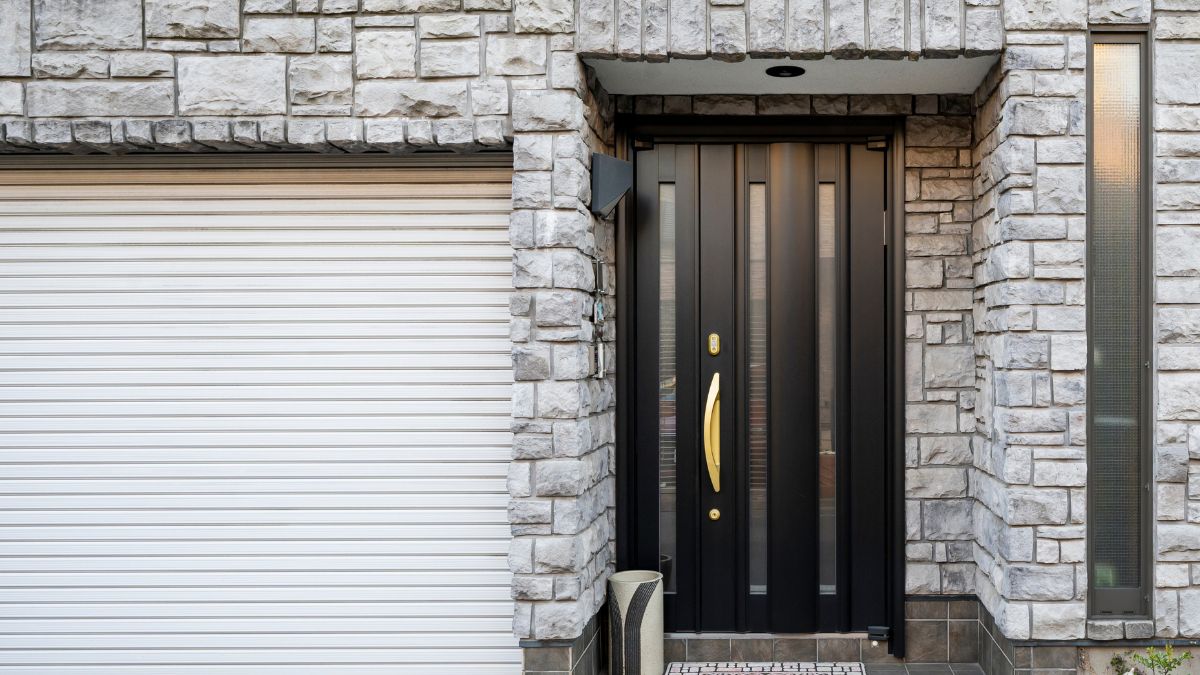
As homeowners continuously reassess the value, security, and curb appeal of their properties, the garage door industry is undergoing rapid innovation to meet changing demands. Modern garage doors have become more than just entryways; they are now considered focal points for both style and home protection. Those invested in a garage door franchise are discovering that keeping pace with the latest trends is not just beneficial but essential for offering competitive services and products.
From technological advancements to the rise of sustainability, the future of garage doors is being shaped by evolving homeowner preferences and societal priorities. Let’s explore the most significant changes that are redefining what to expect from a modern garage door, whether for a new build or a renovation project.
Smart Technology Integration
The shift towards smart homes has naturally extended to garage doors, introducing features that prioritize convenience and control. Using smartphone apps and voice assistant platforms, individuals can operate their garage doors remotely, adding significant flexibility to everyday routines. This seamless connectivity is enhanced by the integration of predictive maintenance alerts powered by artificial intelligence, reducing unexpected breakdowns and minimizing repair costs. Forbes highlights how this trend is expected to accelerate as smart home ecosystems become more sophisticated.
Furthermore, safety is amplified with tools like automated lighting, video monitoring, and scheduled locking, all accessible via a smart device. Smart integration is creating garage spaces that are safer, more efficient, and aligned with digital lifestyles.
Energy Efficiency and Sustainability
Sustainability is a growing priority in home improvement decisions, and the garage door sector is no exception. Energy-efficient garage doors, designed with superior insulation and tight weather seals, are now mainstream solutions for reducing energy consumption and maintaining indoor temperature stability. Materials such as recycled steel and composite substitutes for wood not only decrease environmental impact but also add to door durability and longevity. Homeowners and businesses alike are searching for products that reflect their environmental values while contributing to lower utility bills over the long term.
These options are especially important as homes aim to adapt to stricter environmental regulations and increasing energy costs, underscoring the importance of making sustainability a cornerstone of new purchases or upgrades.
Expanding into the industry often means understanding evolving ownership dynamics. For those interested in entrepreneurship, Garage Door Business Ownership is an informative starting point for learning what it takes to succeed in this changing field.
Modern and Customizable Designs
Where garage doors were once a purely functional feature, they are now seen as key architectural components. Current trends emphasize clean lines, minimalist hardware, and a broad spectrum of customizable options. Homeowners are being offered more flexibility in choosing styles, colors, finishes, and window layouts, ensuring the garage door enhances rather than detracts from a property’s appearance.
This trend is further supported by demand for unique, contemporary exteriors and the desire to maximize curb appeal, an important factor for property value. Personalization and innovative design elements remain top priorities for homeowners tackling exterior home improvements.
Enhanced Security Features
Rising crime rates and growing awareness of property vulnerabilities have pushed security innovations to the forefront of garage door design. Modern systems often feature rolling code technology, which changes the access code each time the door is operated, reducing the risk of unauthorized entry. Motion sensors and automatic locking mechanisms are now standard in many new models, while some systems offer integration with broader home security monitors, creating a cohesive safety network.
Real-time alerts and app-based notifications further enable homeowners to respond quickly to suspicious activity, providing peace of mind whether at home or away.
Durable and Low-Maintenance Materials
Durability is another key expectation for modern garage doors. The industry has shifted away from traditional timber and introduced robust materials such as steel, aluminum, and advanced composites, which offer the visual charm of wood but significantly less maintenance. These options are designed to withstand extreme temperatures, weather, and frequent use, factors particularly important as climate patterns become less predictable.
New coatings and finishes resist corrosion, fading, and dents, making long-term care simpler than ever before. This results in garage doors that retain their appearance and performance with minimal intervention, reducing lifecycle costs for both residential and commercial settings.
Conclusion
Innovation in the garage door sector continues to accelerate, with technology, design, sustainability, and security driving new product features. Whether considering an upgrade or new installation, being informed about these trends helps property owners make choices that enhance their investment and daily living experience. For those seeking to explore industry opportunities or simply reimagine their home’s garage, integrating these advancements is essential for future-ready living.

Waterfront living delivers a blend of tranquility, recreation, and visual beauty that attracts countless homebuyers each year. For those interested in the exceptional lifestyle and investment potential of owning property by the water, exploring Long Beach Island NJ homes for sale is an ideal starting point. The Beach House Group, a trusted local real estate agency well known for its client-first approach and deep knowledge of the Long Beach Island market, curates a range of luxurious and practical waterfront properties. Their website showcases current listings and provides insights for buyers across all budgets, making them a leading authority for anyone considering the vibrant Barnegat Bay or the peaceful Atlantic shorelines in the LBI service area.
Before making a purchase, buyers should understand the distinctive features that set waterfront properties apart from other types of homes. From ongoing maintenance and insurance to regulation compliance and investment potential, thoughtful planning ensures that your waterfront experience remains as rewarding as the scenery outside your window.
Understanding Maintenance and Upkeep
Owning a waterfront home offers unparalleled access to nature, but it also exposes the property to harsh elements such as increased moisture, salty air, and strong winds. These environmental factors accelerate the natural aging of exterior surfaces and structural materials. Routine upkeep, such as resealing wood surfaces, checking for signs of rust or corrosion, and pressure-washing decks and siding, becomes essential for preserving home value and appearance.
In coastal areas, especially those near saltwater, metal fixtures, railings, and even concrete components are at greater risk of deterioration. Homeowners should anticipate more frequent repairs or replacements and budget accordingly. Failure to keep up with these tasks can lead to costly restoration projects or diminished resale value down the line.
Assessing Insurance Requirements
Insurance is a critical component of owning a waterfront property. Due to the increased risk of flooding, storm surge, and water-related damage, standard homeowners’ insurance coverage is often insufficient. Mortgage lenders commonly require separate flood insurance policies for waterfront homes, and premiums can be significantly higher than those for inland properties. Buyers should consult insurance brokers specializing in waterfront properties to understand policy options and ensure full protection without paying for unnecessary coverage. Additionally, researching the cost and coverage details of storm protection is essential to secure peace of mind.
Evaluating Environmental Regulations
Many waterfront properties fall under the jurisdiction of environmental protection agencies that set strict guidelines on construction, landscaping, and renovations. These rules exist to protect shorelines, wetlands, and marine habitats from overdevelopment or pollution. As a result, property owners may face limitations when planning expansions, building docks, or even planting trees near the water’s edge.
Securing permits for new structures or additions often involves a lengthy process, requiring documentation of minimal environmental impact. Understanding these regulations before buying will prevent future surprises and ensure compliance.
Considering Privacy and Accessibility
While waterfront living promises peace and quiet, some locations can become popular public gathering spots, especially during the tourist season. Beach path easements, boat ramps, and designated fishing areas may allow non-residents to access or be adjacent to your property. Potential buyers should review property boundaries, community bylaws, and access rights to ensure their privacy expectations are met, both for personal enjoyment and future resale value.
Understanding Utility and Infrastructure Differences
Not all waterfront homes are served by municipal utilities. Many properties, particularly those in more remote or rural areas, rely on well water, septic systems, or propane for heating and cooking. These systems require specialized maintenance and periodic inspections to ensure safe, reliable operation. Before purchasing, it’s advisable to obtain recent service records and factor in potential repair or upgrade costs.
Assessing Investment and Rental Potential
Waterfront properties often command premium prices in the real estate market and retain strong resale potential. Many buyers also consider renting their property seasonally to offset costs or generate year-round income. Researching rental regulations in the target area is essential, as some communities impose limits on short-term rentals to preserve neighborhood character. Understanding local demand, competitive rates, and the process for obtaining rental permits can help buyers make informed investment decisions.
Working with Experienced Professionals
Navigating the complexities of waterfront property ownership is far easier with guidance from seasoned real estate experts and home inspectors who are familiar with coastal environments. From assessing potential erosion risks to identifying flood risks, their expertise helps buyers avoid costly mistakes and negotiate the best possible terms. Allied professionals, such as real estate attorneys and surveyors, can also provide important context on environmental compliance and long-term maintenance planning.
Exploring Long Beach Island Waterfront Opportunities
Long Beach Island, known for its pristine waters, vibrant communities, and relaxed coastal lifestyle, is a destination of choice for those seeking both luxury and a sense of escape. Working with The Beach House Group, buyers gain access to local insights, exclusive listings, and a highly personalized approach to finding the perfect waterfront home. With their in-depth knowledge of neighborhoods from Barnegat Light to Holgate and a reputation built on trust and results, The Beach House Group makes the search for a waterfront property as smooth as the ocean breeze.
Waterfront living requires careful consideration and proactive planning, but for many, the rewards are well worth the effort. By understanding the unique challenges, leveraging local professionals’ expertise, and researching all aspects of property ownership, buyers can make a confident investment in a lifestyle that delivers daily beauty and long-term satisfaction.
-

 Entertainment11 months ago
Enchantment & Excitement: Crafting Unforgettable Event Experiences
-

 GENERAL1 year ago
From Fan Art to Original Works: The Diversity of doujindesu Creations
-

 GENERAL1 year ago
England Business Visa Requirements for American and International Citizens in 2025: A Guide for Entrepreneurs
-

 GENERAL11 months ago
Crossword Conundrum: The Significance of vault opener nyt crossword
-

 GENERAL1 year ago
Latest Trends in Men’s and Women’s Jackets for the Upcoming Season
-

 Fashion1 year ago
Best Shampoos and Treatments from OZ Hair and Beauty for Thinning Hair: Strengthen and Revitalize Your Strands
-

 GENERAL11 months ago
Exploring the World of nhentai.nef: A Comprehensive Guide for New Users
-

 Health1 year ago
Discovering gel ooru: The Ultimate Guide to This Unique Traditional Craft