
Home
Waterfront Living: Essential Insights for Prospective Homebuyers

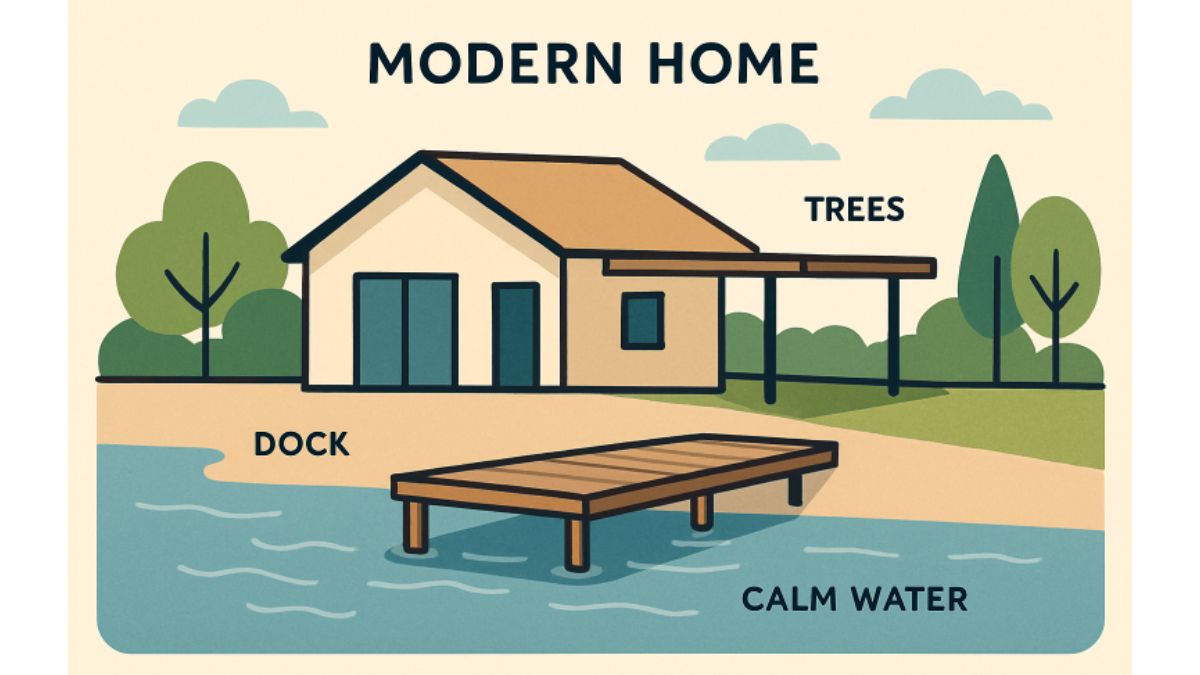
Waterfront living delivers a blend of tranquility, recreation, and visual beauty that attracts countless homebuyers each year. For those interested in the exceptional lifestyle and investment potential of owning property by the water, exploring Long Beach Island NJ homes for sale is an ideal starting point. The Beach House Group, a trusted local real estate agency well known for its client-first approach and deep knowledge of the Long Beach Island market, curates a range of luxurious and practical waterfront properties. Their website showcases current listings and provides insights for buyers across all budgets, making them a leading authority for anyone considering the vibrant Barnegat Bay or the peaceful Atlantic shorelines in the LBI service area.
Before making a purchase, buyers should understand the distinctive features that set waterfront properties apart from other types of homes. From ongoing maintenance and insurance to regulation compliance and investment potential, thoughtful planning ensures that your waterfront experience remains as rewarding as the scenery outside your window.
Understanding Maintenance and Upkeep
Owning a waterfront home offers unparalleled access to nature, but it also exposes the property to harsh elements such as increased moisture, salty air, and strong winds. These environmental factors accelerate the natural aging of exterior surfaces and structural materials. Routine upkeep, such as resealing wood surfaces, checking for signs of rust or corrosion, and pressure-washing decks and siding, becomes essential for preserving home value and appearance.
In coastal areas, especially those near saltwater, metal fixtures, railings, and even concrete components are at greater risk of deterioration. Homeowners should anticipate more frequent repairs or replacements and budget accordingly. Failure to keep up with these tasks can lead to costly restoration projects or diminished resale value down the line.
Assessing Insurance Requirements
Insurance is a critical component of owning a waterfront property. Due to the increased risk of flooding, storm surge, and water-related damage, standard homeowners’ insurance coverage is often insufficient. Mortgage lenders commonly require separate flood insurance policies for waterfront homes, and premiums can be significantly higher than those for inland properties. Buyers should consult insurance brokers specializing in waterfront properties to understand policy options and ensure full protection without paying for unnecessary coverage. Additionally, researching the cost and coverage details of storm protection is essential to secure peace of mind.
Evaluating Environmental Regulations
Many waterfront properties fall under the jurisdiction of environmental protection agencies that set strict guidelines on construction, landscaping, and renovations. These rules exist to protect shorelines, wetlands, and marine habitats from overdevelopment or pollution. As a result, property owners may face limitations when planning expansions, building docks, or even planting trees near the water’s edge.
Securing permits for new structures or additions often involves a lengthy process, requiring documentation of minimal environmental impact. Understanding these regulations before buying will prevent future surprises and ensure compliance.
Considering Privacy and Accessibility
While waterfront living promises peace and quiet, some locations can become popular public gathering spots, especially during the tourist season. Beach path easements, boat ramps, and designated fishing areas may allow non-residents to access or be adjacent to your property. Potential buyers should review property boundaries, community bylaws, and access rights to ensure their privacy expectations are met, both for personal enjoyment and future resale value.
Understanding Utility and Infrastructure Differences
Not all waterfront homes are served by municipal utilities. Many properties, particularly those in more remote or rural areas, rely on well water, septic systems, or propane for heating and cooking. These systems require specialized maintenance and periodic inspections to ensure safe, reliable operation. Before purchasing, it’s advisable to obtain recent service records and factor in potential repair or upgrade costs.
Assessing Investment and Rental Potential
Waterfront properties often command premium prices in the real estate market and retain strong resale potential. Many buyers also consider renting their property seasonally to offset costs or generate year-round income. Researching rental regulations in the target area is essential, as some communities impose limits on short-term rentals to preserve neighborhood character. Understanding local demand, competitive rates, and the process for obtaining rental permits can help buyers make informed investment decisions.
Working with Experienced Professionals
Navigating the complexities of waterfront property ownership is far easier with guidance from seasoned real estate experts and home inspectors who are familiar with coastal environments. From assessing potential erosion risks to identifying flood risks, their expertise helps buyers avoid costly mistakes and negotiate the best possible terms. Allied professionals, such as real estate attorneys and surveyors, can also provide important context on environmental compliance and long-term maintenance planning.
Exploring Long Beach Island Waterfront Opportunities
Long Beach Island, known for its pristine waters, vibrant communities, and relaxed coastal lifestyle, is a destination of choice for those seeking both luxury and a sense of escape. Working with The Beach House Group, buyers gain access to local insights, exclusive listings, and a highly personalized approach to finding the perfect waterfront home. With their in-depth knowledge of neighborhoods from Barnegat Light to Holgate and a reputation built on trust and results, The Beach House Group makes the search for a waterfront property as smooth as the ocean breeze.
Waterfront living requires careful consideration and proactive planning, but for many, the rewards are well worth the effort. By understanding the unique challenges, leveraging local professionals’ expertise, and researching all aspects of property ownership, buyers can make a confident investment in a lifestyle that delivers daily beauty and long-term satisfaction.

From stop-and-go traffic on I-77 and I-85 to hot summers, heavy rain, and long regional hauls, trucks in Charlotte, North Carolina, can face demanding operating conditions. Knowing when to seek truck repair can help drivers and owners address issues before they become a roadside breakdown or a safety concern.
A truck can remain drivable even when a mechanical problem is developing. A warning light, an unfamiliar odor, a slow loss of power, or a small fluid spot under the vehicle may be the first sign that an engine, brake, charging, cooling, or driveline component needs attention.
Why Warning Signs Matter
Delayed repairs can turn a minor concern into a more involved one. For example, a recurring coolant leak may eventually lead to overheating if the coolant level falls too low. Early documentation also gives a technician useful context, including when the issue began, whether the truck was loaded, and whether it occurs only during acceleration, braking, or idling.
For trucks that operate on regular Charlotte-area routes, organized maintenance records can make recurring concerns easier to spot across vehicles. Repair dates, fault codes, mileage, and driver notes can reveal patterns that are hard to identify from memory alone. Many operations benefit from structured fleet maintenance approaches to track these details.
Dashboard Warnings That Need Attention
Some dashboard messages require an immediate response. A low oil pressure warning, a high coolant temperature alert, a brake-system warning, a sudden charging-system failure, or smoke from the engine bay calls for stopping as soon as it is safe to do so. Continuing to drive can increase the chance of component damage or loss of control.
Other alerts may permit a cautious trip to a repair facility, depending on the owner’s manual and the truck’s behavior. Check-engine lights, emissions messages, ABS warnings, and diesel exhaust fluid or regeneration alerts should still be recorded and diagnosed promptly. Do not clear a warning code simply to make the message disappear before the cause is understood.
Engine And Exhaust Clues
Hard starts, rough idle, stalling, reduced pulling power, or a noticeable change in fuel consumption can indicate problems with air delivery, fuel delivery, sensors, ignition components, or emissions equipment. On diesel trucks, repeated regeneration requests or reduced-power operation warrant attention, as the issue may not be limited to the filter system itself.
Exhaust appearance can also provide a useful clue. White smoke may be associated with unburned fuel or coolant-related concerns, blue smoke can indicate oil consumption, and heavy black smoke may suggest an air, fuel, or combustion issue. The color alone does not diagnose the truck, but it is valuable information to report.
Brake, Tire, And Suspension Problems
Braking, steering, tires, and suspension directly affect control. Pulling during braking, grinding noises, abnormal pedal feel, repeated tire-pressure loss, excessive bouncing, loose steering, or visible air-line damage should not be treated as routine wear. These issues can worsen quickly under a heavy load or on wet Charlotte roads.
Pre-Trip Walk-Around Basics
A walk-around can help identify concerns before departure. Federal guidance identifies items such as brakes, tires, lights, coupling devices, and trailer connections as components that drivers should inspect before operating commercial equipment. Pre-trip inspection guidance also reinforces the importance of confirming that visible equipment is in working order.
- Look for damaged tires, irregular wear, low inflation, and loose wheel hardware.
- Check for cracked hoses, loose connections, leaks, and damaged air lines.
- Watch for leaning, sagging, or broken suspension components.
- Confirm that lights, reflectors, and trailer connections appear secure.
A visual check does not replace a complete inspection when a problem is suspected. If braking or steering behavior changes while driving, stop safely and have the condition evaluated.
Fluid Leaks And Unusual Smells
The location, color, and consistency of a leak can help narrow the possibilities. Engine oil is often dark, coolant may be brightly colored, diesel fuel has a distinct odor, and transmission fluid may be red or brown depending on its age and formulation. Any fluid that repeatedly appears beneath the truck deserves follow-up.
Burning oil, overheated brakes, raw fuel, or an electrical-burning smell are also important warning signs. If a fluid level drops quickly, the truck should be inspected before returning to regular service. Never open a hot cooling system or reach around moving engine components to investigate.
Noise, Vibration, And Handling Changes
New noises often provide an early warning. Clunks over bumps may involve suspension or steering wear. Whining can come from bearings, belts, pumps, or drivetrain components. Shuddering during acceleration, hard shifting, delayed engagement, or slipping may indicate driveline or transmission issues.
Vibration at highway speed may involve tires, wheels, alignment, or rotating parts. Note the speed, road surface, steering position, and load condition at the time it happens. Those details can help separate a tire-related vibration from a problem that appears only under power.
How To Judge Repair Urgency
Stop As Soon As It Is Safe
Stop for loss of braking, severe overheating, low oil pressure, a major fuel leak, smoke from the engine compartment, sudden steering trouble, or a tire failure that affects control.
Schedule Promptly
Arrange a diagnosis soon for repeated warning lights, ongoing leaks, weak starting, poor shifting, persistent vibration, unusual exhaust, or frequent regeneration.
Monitor And Document
A one-time minor sound or brief warning that does not return should still be written down and mentioned at the next inspection. Weather, payload, maintenance history, and the manufacturer’s operating guidance can change the level of risk.
Inspection And Repair Process
- Move to a safe location when possible.
- Record the warning light, sound, smell, or performance change.
- Take photos of leaks, visible damage, or dashboard messages.
- Check fluid levels only when it is safe and the engine has cooled.
- Share the truck’s make, model, mileage, load, and recent repair history.
- Request a diagnosis and written estimate before approving major work.
- Ask whether testing or a road check will verify the repair.
Technology, Records, And Recall Checks
Diagnostic scanners, telematics, and maintenance records can help connect fault codes and performance changes with mileage, routes, weather, and prior repairs. Keeping a record of recurring issues by vehicle and component supports better service decisions and may reduce guesswork during diagnosis.
Before approving work that may involve a manufacturer’s safety issue, check the vehicle identification number for open recalls. The VIN recall lookup process can show whether a specific vehicle has an unrepaired safety recall, although owners should also review manufacturer communications when applicable.
Questions To Ask Before Approving Work
- What is the likely cause of the problem?
- Is the repair needed now, or can it be monitored?
- What could happen if the issue is delayed?
- Were other worn or damaged parts found during diagnosis?
- Are replacement parts new, rebuilt, or used?
- What parts and labor warranty applies?
Final Takeaway
Truck repair problems rarely appear without clues. Charlotte drivers who respond early to warning lights, leaks, odors, vibrations, and changes in handling can make safer decisions, provide clearer information during diagnosis, and reduce the chance that a small concern turns into an unexpected interruption.

A collision on I-75, the Lodge, Woodward Avenue, or a neighborhood street can leave Metro Detroit drivers unsure what to handle first. In the first 72 hours, the priority is simple: protect people, obtain appropriate medical care, and preserve information before memories and physical evidence begin to fade. When injuries, disputed facts, or insurance questions make the situation more complicated, speaking with a personal injury attorney metro Detroit, MI, residents can consult may help clarify records, coverage questions, and practical next steps. Immediate safety should always come before paperwork, photographs, or discussions about fault.
The First Few Minutes: Put Safety First
After impact, take a breath and assess the immediate danger. If vehicles can be moved safely out of active traffic, do so. Turn on hazard lights, remain alert to passing vehicles, and avoid standing between damaged cars. On busy Detroit-area roads, a secondary collision can be a serious risk. Check yourself, passengers, pedestrians, cyclists, and occupants of other vehicles for urgent injuries. Call 911 if anyone is hurt, traffic is blocked, a vehicle is unsafe to drive, or the scene presents a danger. Exchange names, contact details, vehicle information, license plate numbers, and insurance information without arguing about responsibility. Shock can affect memory and judgment, so keeping the conversation brief and factual is often best.
Medical Care and Delayed Symptoms
Feeling “fine” immediately after a crash does not necessarily mean that no injury occurred. Neck stiffness, back pain, headaches, dizziness, numbness, nausea, sleep problems, and difficulty concentrating may become noticeable later. A driver who walks away from a rear-end crash may develop neck pain or dizziness that evening and should take those symptoms seriously. The signs and symptoms of a concussion can include headache, confusion, vision problems, balance issues, and changes in behavior or sleep. Emergency evaluation is important for warning signs such as worsening headache, repeated vomiting, weakness, seizures, unusual confusion, or loss of consciousness.
Follow discharge instructions and tell each medical provider that symptoms followed a motor vehicle crash. Save visit summaries, prescriptions, referrals, work restrictions, invoices, and receipts. These documents can help a person track recovery and communicate accurately with insurers.
Preserving Evidence Without Creating More Risk
Evidence can change quickly. Vehicles may be repaired or towed, debris can be cleared, weather conditions can shift, and nearby video footage may not be retained indefinitely. If it is safe, use a phone to document the scene before vehicles are moved.
What to Document
- Damage to each vehicle, including wide shots and close-ups.
- Vehicle positions, lane markings, traffic signals, signs, debris, and visible skid marks.
- Lighting, weather, construction zones, potholes, or roadway obstructions.
- Witness names and reliable contact information.
- Damaged personal property, visible injuries, towing information, and rental-car paperwork.
Do not enter traffic, climb on a damaged vehicle, or ignore police instructions to get a better photograph. Keep original image files when possible. Unedited photos may retain useful details, including the time they were created.
Michigan UD-10 Crash Reports
Michigan’s official traffic crash report is called a UD-10. The report is prepared by law enforcement for reportable crashes and records information gathered at the scene. Under Michigan’s reporting rules, a driver involved in a crash causing injury, death, or apparent property damage totaling $1,000 or more must immediately report it to law enforcement. The Michigan State Police explains that law enforcement agencies complete a UD-10 traffic crash report, which can be purchased through the state’s crash-report system once available. Processing time can vary by agency, so keep the responding department’s name, the incident number, and the crash date handy. If the information appears inaccurate, contact the reporting law enforcement agency, which decides whether to amend its report. A police report is an important record, but it may not resolve every question concerning fault, injuries, or insurance coverage. Preserve your own notes and records as well.
Insurance Communication: Facts Before Conclusions
Notify your auto insurer within the time required by your policy. When making the initial report, provide the date, time, location, people involved, responding agency, report number if known, and a basic description of vehicle damage and known injuries. Avoid guessing about speed, distance, fault, diagnoses, or how long treatment may last. It is reasonable to say that you are seeking medical evaluation or that information is still being gathered. Read medical authorizations, releases, repair agreements, and settlement documents carefully before signing.
A Practical Checklist for the First 72 Hours
Within the First Day
- Get emergency help when needed and move away from traffic when safe.
- Exchange information, identify witnesses, and take safe photographs.
- Seek medical attention for pain, dizziness, confusion, or other symptoms.
- Notify your insurer and save the claim number.
- Write down what happened while your memory is fresh.
During the Next 48 Hours
- Create one paper or digital folder for crash documents.
- Store medical records, bills, prescriptions, repair estimates, towing receipts, and rental expenses.
- Record missed work, reduced hours, and activity limitations.
- Keep a daily symptom journal with dates, treatment, and changes in how you feel.
- Save emails, letters, voicemail details, and notes from insurer calls.
Common Mistakes to Avoid
Do not delete photos once a claim begins. Do not repair a vehicle before the damage is documented. Do not post crash details, injury updates, or activity photos on social media where they may be misunderstood or taken out of context. Most importantly, do not ignore worsening physical or emotional symptoms simply because they were not obvious at the scene.
When Professional Guidance May Help
Additional guidance may be useful after crashes involving serious injuries, multiple vehicles, disputed responsibility, uninsured drivers, commercial trucks, rideshare vehicles, government vehicles, long-term treatment, or a fatality. It may also help when an insurer requests a broad medical release or medical bills, and missed work begins to accumulate. The first 72 hours after a Michigan car crash can feel overwhelming, but a steady plan makes the situation more manageable. Focus on safety, timely care, clear documentation, and careful communication. Those steps create a stronger foundation for whatever comes next.
Conclusion
The first 72 hours after a car crash in Metro Detroit are an important time to focus on safety, medical care, and documentation. Move away from danger when possible, seek appropriate medical attention, and keep records of symptoms, treatment, vehicle damage, witnesses, expenses, and insurance communications. Michigan drivers should also understand when a crash must be reported to law enforcement and keep track of the resulting UD-10 report. Avoid guessing about fault or making statements about injuries that have not been evaluated. If the crash involves serious injuries, disputed facts, or complicated insurance issues, professional guidance may help clarify the next steps. Staying organized and addressing concerns promptly can make the aftermath easier to manage.

A low-maintenance native garden begins with a realistic plan, not a shopping trip. Raleigh properties can contain sunny slopes, compacted clay, deep shade, wet corners, and mature tree roots within the same yard. Thoughtful landscape design starts by identifying those conditions so that every plant has a better chance of establishing and thriving.
Why Native Gardens Fit Raleigh Yards
Plants adapted to North Carolina conditions can support birds, pollinators, and other wildlife while often needing less supplemental water and fertilizer once their roots are established. The City of Raleigh’s native plant guide helps homeowners compare plants by exposure, water needs, and wildlife value. Native does not mean maintenance-free, however. New plantings need watering, mulch, and weed control during their first growing seasons. A native garden also need not appear unstructured. Repeating a few reliable plants, keeping edges crisp, and adding a simple path can make a naturalistic planting feel intentional. Grouping plants in drifts rather than placing single specimens throughout a bed creates a calmer, more polished residential appearance.
Start With a Simple Site Check
Observe the yard for several days, and ideally after a substantial rain, before finalizing a plant list. Note where direct sun lasts six or more hours, where afternoon heat is strongest, and where shade deepens as trees leaf out. Also identify low spots, dry areas beneath tree canopies, compacted soil, steep grades, utilities, roots, and views worth framing or screening. A soil test can reveal pH and nutrient issues before money is spent on unnecessary amendments.
Build a Plant Palette by Garden Layer
Well-organized landscape design services often begin with layers rather than a long, disconnected list of plants. Each layer has a different job, from providing shade and privacy to covering bare soil and adding seasonal interest.
Upper Layer
Shade trees and smaller understory trees establish the garden’s long-term structure. Their placement influences summer cooling, privacy, views, root competition, and the amount of light reaching the plants below. Consider mature canopy width and avoid placing trees where future branches will crowd a roof, drive, or utility line.
Middle Layer
Shrubs create form throughout the year and can provide screening, berries, nesting cover, or winter texture. Check mature dimensions before planting near foundations, windows, walkways, or patios. A shrub that fits at installation can become a recurring pruning task if it was placed with too little room.
Lower Layer
Perennials, sedges, grasses, ferns, and ground covers connect the larger elements of the garden. They help cover exposed soil, soften hard edges, and slow runoff. The NC State Extension guidance on matching native plants to site conditions is a useful reminder that light, moisture, and soil matter as much as flowers or foliage.
Plan for Water and Drainage
Water should be part of the design rather than a problem hidden with extra mulch or frequent watering. Put moisture-tolerant plants in naturally damp areas and reserve dry, sunny slopes for plants that handle fast drainage. Keep downspouts from scouring planting beds, use ground covers and roots to reduce erosion, and consider a rain garden only where runoff naturally collects and can safely soak in away from the foundation. For example, a Raleigh yard might have a wet low point near a downspout and a dry slope beside a driveway. Using the same plant palette in both places often leads to weak growth in one area and unnecessary watering in the other. Separate zones make care more efficient.
Replace Lawn in Manageable Stages
Removing all turf at once can be expensive and difficult to maintain. Start with an area where grass already struggles, such as a shaded strip, a steep bank, a wet corner, or a thin patch beneath trees. Define the new bed with a clear edge, suppress turf without cutting through valuable roots, and install a modest group of plants that share the same needs. Monitor weeds, watering, and spacing for a season before expanding. Lawn still serves a purpose where children play, pets run, or an open gathering space is useful. The goal is not to eliminate every blade of grass. It is to replace the least functional, highest-maintenance areas with planting beds that better suit the site.
Set Realistic Maintenance Goals
Low-maintenance means less repetitive work after establishment, not no work at all, water deeply during dry periods, especially in the first year. Refresh mulch without piling it against trunks, remove invasive plants early, and prune shrubs for health and clearance rather than constant shaping. Leaving some seed heads and leaf litter through winter can provide habitat, though leaves should be kept off lawns, paths, and storm drains.
A Simple Seasonal Checklist
- Spring: Remove weeds, check mulch depth, and replace plants that did not survive winter.
- Summer: Water new plants deeply, inspect for stress, and keep invasive growth from spreading.
- Fall: Add plants when the weather is cooler, divide crowded perennials, and clear blocked drainage areas.
- Winter: Review the garden’s structure, prune damaged branches, and leave beneficial plant debris where appropriate.
Common Planning Mistakes to Avoid
- Planting before checking mature height and width.
- Using sun plants in deep shade or moisture-loving plants on dry banks.
- Assuming all native plants tolerate drought.
- Ignoring compacted soil and existing tree roots.
- Adding too many species to a small bed.
- Selecting plants only for flowers instead of year-round function.
- Expecting young plants to create an instant full landscape.
A Simple Garden Planning Process
- List goals such as privacy, pollinator habitat, shade, seasonal color, or reduced mowing.
- Map sun, shade, wet spots, slopes, utilities, and existing trees.
- Divide the yard into zones with similar growing conditions.
- Choose a short, repeatable plant list for each zone.
- Add paths and edges that make beds easy to reach and maintain.
- Install in phases, beginning with the most troublesome lawn area.
- Review results each season and adjust watering, spacing, or plant choices as needed.
Frequently Asked Questions
Are native plants maintenance-free?
No. They still need proper placement, early watering, weed control, and occasional thinning or pruning. Their maintenance needs often decline as they become established in suitable conditions.
Can a native garden look formal?
Yes. Defined borders, symmetrical bed shapes, repeated plant groupings, and orderly paths can create a formal look while using plants suited to local conditions.
How long does a new garden take to fill in?
Timing depends on plant size, weather, soil, and watering. Gardens commonly look sparse at first, so space plants according to their mature size rather than overcrowding them for immediate fullness.
What is the best first area to convert?
Choose the place that generates the most work or performs the worst. A wet corner, a difficult slope, a deep-shade lawn, or a neglected foundation bed can make a practical first project.
Final Thoughts
A successful Raleigh native garden starts with careful observation and a realistic understanding of the property. When plants match the available light, moisture, soil conditions, drainage, and space, the garden becomes easier to maintain and more beneficial to people and wildlife. Choosing locally appropriate native species can also create habitat for pollinators and other beneficial creatures while reducing the need for intensive watering or constant intervention. A modest plan, installed in stages and refined over time, allows homeowners to see what works before expanding the garden. Preparing the soil, grouping plants according to their needs, and allowing enough room for mature growth can prevent common maintenance problems later. With thoughtful plant selection and consistent but manageable care, a Raleigh native garden can become a resilient outdoor space without turning every weekend into a maintenance project.
-

 GENERAL1 year ago
French Language Learning for Kids: A Joyful Path to Bilingual Brilliance
-

 Entertainment1 year ago
Exploring the World of NHentai: A Comprehensive Guide to nhentai.met
-

 Entertainment1 year ago
Enchantment & Excitement: Crafting Unforgettable Event Experiences
-

 topic3 weeks ago
How To Compare the True Cost of Golf Course Community Living in Palm Beach Gardens, Florida
-

 GENERAL2 years ago
Latest Trends in Men’s and Women’s Jackets for the Upcoming Season
-

 Fashion2 years ago
Best Shampoos and Treatments from OZ Hair and Beauty for Thinning Hair: Strengthen and Revitalize Your Strands
-

 Home2 months ago
How to Choose the Right Rancho Santa Fe Setting for Your 2026 Home Search
-

 GENERAL2 years ago
From Fan Art to Original Works: The Diversity of doujindesu Creations