
TECHNOLOGY
Navigating the Ethical Landscape: A Deep Dive into iofbodies.com ethics


Enter iofbodies.com ethics an innovative platform where user-generated content thrives. But what lies beneath the surface? As we dive deeper into the ethics surrounding iofbodies.com, we’ll explore how this platform manages its user contributions while addressing privacy concerns and potential biases. It’s time to navigate this ethical landscape together as we uncover the principles guiding one of today’s most dynamic online communities.
The Ethics of User-Generated Content
User-generated content has transformed online platforms, allowing individuals to share their perspectives and creativity. At iofbodies.com, this dynamic fosters community engagement but also raises ethical questions.
When users create and post content, they contribute to a collective narrative. However, the responsibility of ensuring that these contributions are respectful and accurate lies with both the platform and its users. Misleading or harmful content can have real-world consequences.
It’s essential for platforms like iofbodies.com to encourage constructive dialogue while promoting diverse voices. Implementing guidelines helps steer conversations in positive directions.
Moreover, transparency about how user-generated content is handled builds trust within the community. Users should feel confident that their contributions will be valued yet moderated appropriately to maintain a safe environment for all participants.
Balancing freedom of expression with accountability remains a critical challenge in today’s digital landscape.
Moderation and Control of Content
Content moderation is a critical aspect of maintaining an ethical online environment. At iofbodies.com ethics, the goal is to ensure that user-generated content adheres to community standards while fostering open dialogue.
Effective moderation involves both automated systems and human oversight. Algorithms can filter out inappropriate material quickly, but nuanced understanding often requires human judgment. This dual approach helps strike a balance between freedom of expression and the need for safety.
Users play a role too; they can report problematic content, creating a collaborative effort in keeping the platform respectful. Transparency about moderation policies empowers users to understand what’s acceptable.
The challenge lies in avoiding censorship while protecting individuals from harmful or misleading information. Continuous assessment of these practices allows iofbodies.com to adapt and evolve with its community’s needs.
Privacy and Data Protection on iofbodies.com ethics
Privacy and data protection are critical concerns for any online platform, including iofbodies.com ethics. Users want assurance that their personal information is safe from misuse or unauthorized access.
At iofbodies.com, robust security measures are in place to safeguard user data. This includes encryption protocols and regular audits to identify vulnerabilities. Transparency around how data is collected and used fosters trust among users.
Moreover, the platform actively informs users about its privacy policies. Clear guidelines help individuals understand what information is shared and with whom.
Users can also exercise control over their own content and privacy settings, enabling them to manage who sees their contributions. This empowerment enhances user experience while prioritizing individual rights.
In a digital age where data breaches are common, iofbodies.com remains committed to maintaining high standards of privacy protection to create a secure environment for all participants.
Addressing Potential Biases on the Platform
Bias in online platforms can shape user experience significantly. At iofbodies.com ethics, recognizing this is essential for fostering a fair community.
The platform employs diverse algorithms to minimize the risk of bias in content promotion. These algorithms are designed to ensure that various voices are heard and represented without favoritism.
Moreover, regular audits help identify any inadvertent biases that may arise from user-generated content. This commitment promotes transparency and accountability within the community.
User feedback plays a vital role too. By encouraging users to report perceived biases or unfair treatment, iofbodies.com creates an environment where everyone can contribute to improving equity on the platform.
Engaging with diverse communities further aids in understanding different perspectives. This ongoing dialogue enriches the platform’s offerings while ensuring inclusivity remains at its core.
Conclusion:
Navigating the ethics of online platforms like iofbodies.com ethics requires careful consideration. Users deserve a space that values their input while maintaining integrity.
The complexities surrounding user-generated content demand transparency and accountability. Moderation plays a crucial role in shaping the community, ensuring it remains respectful and informative.
Privacy is paramount in today’s digital environment. Ensuring data protection fosters trust among users who share personal experiences.
Addressing biases cannot be overlooked either. It’s essential for platforms to strive towards inclusivity and fairness, creating an equitable experience for everyone involved.
FAQ’S
What measures does iofbodies.com take for content moderation?
iofbodies.com employs a combination of automated tools and human moderators to ensure compliance with community guidelines while allowing diverse opinions.
How does iofbodies.com protect user privacy?
The platform implements stringent data protection policies designed to safeguard personal information while providing transparency about data usage.
Are there mechanisms in place to address bias?
Yes, ongoing training programs help moderators recognize biases, ensuring fair treatment across all demographics within the community space on the platform.

Water damage can strike unexpectedly, putting your home and belongings at risk and resulting in costly repairs. Proactive homeowners can protect their property and peace of mind by focusing on prevention and maintenance. Knowing how to spot vulnerabilities and responding quickly to issues can make a significant difference. Whether you’ve experienced leaks before or are simply looking to safeguard your investment, understanding the essentials of water damage restoration is vital.
Routine maintenance and awareness are essential defenses against issues ranging from minor leaks to major flooding. Water damage is not only financially burdensome but can also pose health hazards due to mold and structural deterioration. By implementing a maintenance plan, you can keep your home secure year-round.
Unchecked water exposure can lead to deep-seated problems in basements, around foundations, and near appliances—areas often missed until damage has already set in. With prevention, you minimize the likelihood of insurance claims, extended repairs, and disruption to your daily life.
Homeowners should also be mindful that weather events such as heavy rain, snowmelt, or severe storms can overwhelm even well-maintained homes. Reliable access to storm damage restoration services is critical, especially during extreme weather seasons.
Regularly Inspect and Maintain Appliances
Home appliances that handle water, such as washing machines, dishwashers, and water heaters, are common sources of subtle leaks and major flooding incidents. Check hoses and connections on these appliances at least once a year for any cracks, bulges, or signs of slow leaks. Upgrading to reinforced, steel-braided hoses can provide an added layer of protection against sudden hose bursts.
Leverage annual maintenance checks by scheduling a professional inspection when necessary. Early identification of faulty components can mean the difference between a minor fix and a major cleanup. According to Consumer Reports, proper installation and use of appliances as directed by the manufacturer further reduces risk.
Keep Gutters and Downspouts Clean
Your home’s gutter system is designed to move water away from the foundation and roof. Clogged gutters can cause overflow, leading to roof leaks, damaged siding, and foundation erosion. Clean gutters two times a year—especially after the autumn leaf drop—or after major storms if you live in an area with frequent severe weather. Gutter guards are a worthwhile investment for minimizing debris accumulation and maintenance labor.
It is crucial to ensure that all downspouts are directing water at least 6 feet away from the foundation. Improper drainage can undermine your home’s structure over time, leading to costly repairs and potential flooding in finished or unfinished basements.
Install Leak Detection Devices
Early leak detection is invaluable for preventing widespread water damage. Placing leak detectors in high-risk locations—such as under kitchen sinks, in laundry rooms, around water heaters, and in basements—ensures you are alerted immediately to any unexpected water. Today’s smart leak detection systems can integrate with your home’s Wi-Fi and send instant alerts to your phone, even when you’re away, enabling prompt, possibly remote intervention. Devices placed in areas prone to water collection can dramatically reduce time to action, helping you avoid larger repairs and insurance issues.
Winterize Your Plumbing
Winter can be unforgiving to household plumbing, especially in regions susceptible to freezing temperatures. Frozen pipes are prone to bursting, causing extensive, rapid water damage. Insulate exposed piping in crawl spaces, attics, and exterior walls. Even when you are away, maintain a minimum indoor temperature of 50°F to help keep pipes above freezing. During cold snaps, allow a slight trickle from faucets to keep water moving and prevent ice blockages. Insurance providers often recommend these steps to reduce seasonal claims significantly.
Seal Windows, Doors, and Cracks
Water can enter through the smallest of cracks or unsealed areas around windows, doors, and where utility lines enter your home. Regularly check and repair caulking and weatherstripping, replacing worn areas promptly. Inspect the foundation for cracks and seal them with appropriate waterproofing materials. Proactively sealing these vulnerable spots reduces the risk of water penetration after heavy rains or snowmelt, safeguarding both interiors and structural materials.
Understand Your Insurance Coverage
Insurance coverage for water damage can vary greatly between providers and policy types. Read your policy carefully to identify what kinds of water damage are included or excluded. Most basic homeowners’ insurance does not cover flooding or sewer backups, but you can often purchase riders or separate flood insurance. Consulting with your insurance agent ensures you won’t face unwelcome surprises after an incident and lets you adjust your protection based on your home’s risk factors.
Maintain Your Roof
The roof is your primary shield against rain, melting snow, and other forms of precipitation. Annual roof inspections—either on your own or by a licensed professional—can help you catch loose, curling, or missing shingles before water leaks develop. Paying close attention to the flashing around chimneys, skylights, and vents is also important, as these are common entry points for water. In regions with heavy tree cover, keep the roof clear of debris to prevent moisture from being trapped and causing premature deterioration of roofing materials.
Monitor Indoor Humidity Levels
Consistently high indoor humidity can lead to excess condensation, contributing to hidden water damage and mold growth—especially in basements, bathrooms, and kitchens. Use dehumidifiers to control moisture in naturally damp areas and ensure these rooms have adequate ventilation. Quickly repair any plumbing leaks and use exhaust fans as needed. Managing indoor humidity also promotes a healthier living environment by reducing mold and allergen levels.
Integrating these practical strategies into your routine can help prevent water damage, preserve your home’s value, and maintain a safe and healthy environment for your family. Staying vigilant, scheduling regular inspections, and promptly addressing emerging risks all help protect against both everyday mishaps and unexpected disasters.
Introduction
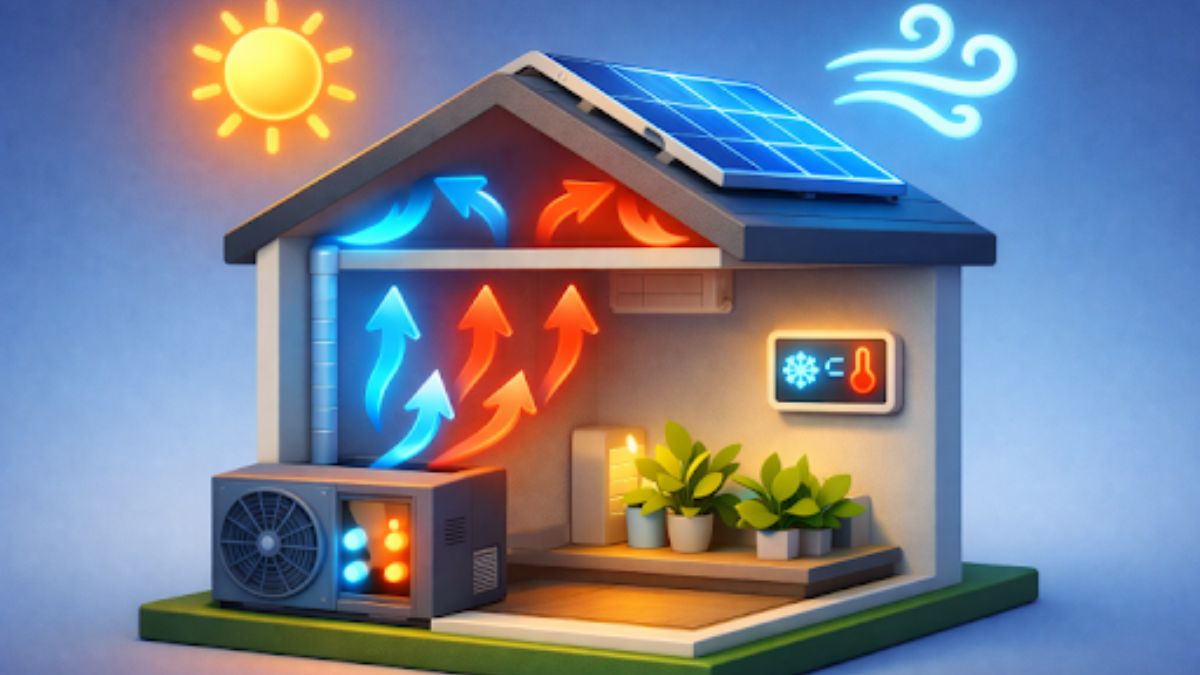
Creating a comfortable indoor atmosphere throughout the changing seasons is an important consideration for both residential and commercial spaces. Advances in heating, cooling, ventilation, and refrigeration systems continue to shape the way we achieve reliable climate control. More than ever, these technological advancements are matched with a commitment to environmental responsibility. Homeowners and businesses interested in Heating & Cooling options often seek solutions that provide comfort, efficiency, and sustainability year-round.
As new systems and controls are developed, consumers have more opportunities to balance comfort with lower utility costs and reduced environmental impact. This comprehensive guide explores the importance of sustainable HVACR design, innovative products on the market, and best practices that contribute to a healthier, more energy-efficient future.
Integrating modern strategies into both new and existing HVAC systems delivers tangible benefits, including cost savings, improved air quality, and longer system lifespans. Environmental awareness, stricter regulatory standards, and advances in smart technology all drive this trend towards more sustainable comfort solutions. These improvements are vital as climate change and resource conservation remain global concerns.
Whether upgrading an older system or designing a new one, understanding the key elements of sustainable HVACR can guide informed choices that yield both short-term and long-term benefits for occupants and for the planet.
Selecting the right solution is especially important in places with significant cooling needs due to high temperatures or humidity. For those interested in learning more about tailored air conditioning options, it is critical to explore the latest market technology to optimize energy use and indoor comfort.
The Importance of Sustainable HVAC Systems
HVAC systems account for a large share of energy consumption in most buildings, making them a natural target for sustainability improvements. According to the U.S. Department of Energy, heating and cooling typically represent about half of an average American home’s energy costs. Old or inefficient systems can lead to high energy bills and a notable carbon footprint. Implementing sustainable practices such as system upgrades, energy-efficient settings, and routine maintenance can drastically reduce utility bills and environmental impacts.
Modern sustainable HVAC systems integrate high-performance components, renewable energy sources, and smart controls to achieve optimal indoor conditions with less energy. This approach ensures long-term cost savings, regulatory compliance, comfort, and improved air quality for building occupants.
Modern Heating Solutions
Energy-efficient heating technologies have revolutionized the way buildings maintain warmth during cooler months. Two of the most prominent approaches include:
- Heat Pumps: These systems extract heat from the air or ground and transfer it indoors. Compared to traditional furnaces, heat pumps can lower energy consumption by up to 50% in many climates, making them a popular choice for eco-conscious consumers.
- Geothermal Systems: By harnessing the stable temperature of the earth, geothermal heat pumps offer a consistent source of warming with minimal emissions. Although initial installation costs can be higher, these systems often pay for themselves over time due to efficiency and durability, lasting for decades with proper maintenance.
Advanced Cooling Technologies
Cooling innovation focuses on balancing temperature regulation, humidity control, and energy efficiency. Noteworthy new technologies include:
- Inverter and Variable Speed Systems: These systems adjust compressor speed to match cooling demand precisely, rather than operating in simple on/off cycles. This dynamic adjustment results in substantial energy savings and improved indoor temperature consistency.
- Evaporative Cooling: Particularly efficient in dry climates, evaporative cooling uses water evaporation to reduce air temperature. It uses significantly less electricity than conventional air conditioning units and emits less greenhouse gas.
Effective Ventilation Strategies
Good ventilation is essential for indoor air quality, moisture control, and comfort. Modern best practices incorporate strategies such as:
- Energy Recovery Ventilators (ERVs): ERVs exchange stale interior air for fresh, filtered outdoor air while minimizing energy loss. These units balance humidity, filter particles, and help maintain indoor comfort year-round.
- Smart Ventilation Controls: Automated systems track real-time conditions, such as air quality and occupancy, and adjust airflow to keep buildings fresh and efficient. These technologies reduce unnecessary energy consumption while providing a healthier indoor environment.
For more in-depth information about home ventilation efficiency, the Consumer Reports guide to indoor air quality offers practical tips and recommendations.
Innovations in Refrigeration
Refrigeration is a vital component of both residential and commercial HVACR systems, and recent advancements aim to reduce energy use and environmental harm. Some of the most significant innovations involve:
- Natural Refrigerants: These refrigerants have lower global warming potentials than traditional refrigerants. Technologies using natural refrigerants, such as R-32, lead to safer systems that meet contemporary environmental standards.
- Advanced Compressor Technologies: Cutting-edge compressors are now engineered for greater efficiency and system longevity. These upgrades result in more reliable refrigeration performance and lower energy costs.
Integrating Smart Controls and Renewable Energy
Incorporating intelligent technologies and renewable energy options can further optimize HVACR system efficiency. Smart thermostats and connected sensors enable systems to adapt in real time, learning usage patterns and environmental conditions to achieve optimal comfort management. In some cases, integrating solar panels with HVAC systems can significantly offset energy demands, especially in sunny climates.
- Smart Thermostats: Learning thermostats customize temperature settings based on occupancy and preferences, which delivers both energy savings and greater comfort.
- Solar-Assisted HVAC: By pairing solar power with heating and cooling equipment, building owners can realize sizable reductions in monthly energy bills and a tangible decrease in environmental impact.
Maintenance Best Practices
Routine care and periodic inspections are necessary to keep any HVACR system operating at peak efficiency. Some recommended maintenance practices include:
- Routine Inspections: Checking system components helps uncover small problems before they lead to expensive repairs or breakdowns.
- Filter Replacement: Dirty or clogged filters restrict airflow and decrease air quality, so following the manufacturer’s filter replacement schedule is critical.
- Professional Servicing: Scheduling annual professional servicing for HVACR systems helps ensure all components are functioning correctly and identifies issues before they become costly.
The U.S. Environmental Protection Agency provides additional resources for maintaining healthy air and efficient ventilation at home.
Conclusion
Embracing modern, sustainable solutions across HVACR systems supports both year-round comfort and the stewardship of local and global resources. From advanced heating and cooling units to smart controls and focused maintenance, each component contributes to reduced operational costs, optimized performance, and improved occupant health. As technology and public awareness push for higher standards, prioritizing sustainable upgrades is a practical step toward a more comfortable, environmentally responsible living and working environment.

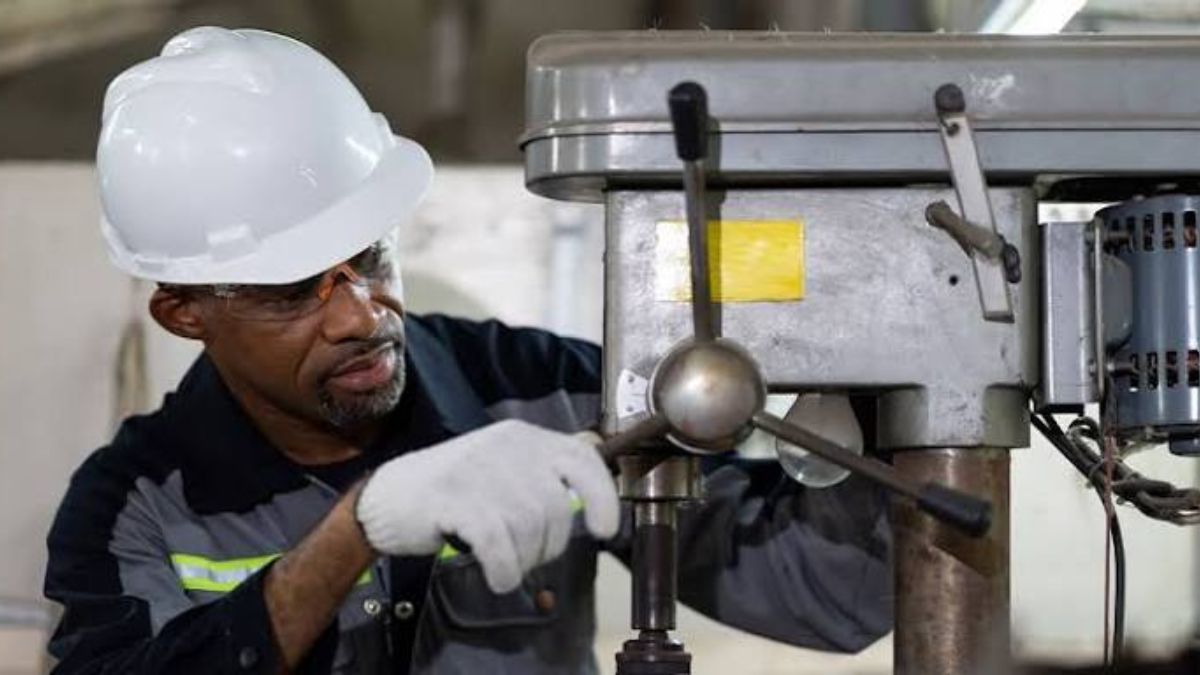
Scrap metal recycling is a powerful force for environmental sustainability, economic growth, and community renewal. While often considered a basic environmental practice, recycling scrap metal does so much more. It lessens landfill burdens, supports cleaner manufacturing, and creates stable job opportunities. In thriving economies and developing regions alike, scrap metal dealers NJ and recycling professionals fuel a circular economy that benefits both people and the planet. By fostering these practices, communities set a strong foundation for future well-being and resource conservation.
The ripple effect of metal recycling goes far beyond conservation. Regenerated metals power sustainable manufacturing, reduce demand for mining, and promote safer waste management at the neighborhood level. Across the globe, communities that embrace recycling are also finding innovative ways to rebuild after disasters and to adopt cutting-edge technology for greater efficiency. Understanding these broad impacts helps illustrate how recycling transforms urban centers and rural livelihoods alike.
Environmental Benefits of Scrap Metal Recycling
Recycling scrap metal serves as one of the most effective strategies for reducing solid waste and conserving finite resources. Every ton of steel or aluminum recycled lessens the pressure on landfills and saves thousands of pounds of iron ore and coal from being extracted. Conserving these raw materials curtails habitat destruction, lowers air and water pollution, and slashes greenhouse gas emissions. For example, the Environmental Protection Agency notes that recycling metals consumes far less energy than producing from virgin resources, thereby lowering the carbon footprint of manufacturing and infrastructure projects (EPA).

Economic Impact on Local Communities
Beyond its green credentials, the scrap metal recycling sector functions as an economic engine in urban, suburban, and rural settings. In the United States, the industry generates more than $100 billion in economic activity annually and employs over half a million workers. It creates jobs across a spectrum of skill levels, from collection crews to advanced processing technicians. This, in turn, helps support local economies by generating over $4 billion annually in state and local tax revenue, which finances public amenities such as schools, parks, and emergency services.
Technological Advancements in Metal Recycling
Technology continues to reshape scrap metal recycling, ushering in an era of precision, efficiency, and smarter resource recovery. Adaptive optical sensors, powerful robotics, and artificial intelligence are enabling the sorting and purification of scrap streams quickly and with greater accuracy. One standout innovation is the Shear Assisted Processing and Extrusion (ShAPE) system, which recycles consumer aluminum waste into high-quality products with significant energy savings, cutting energy use by up to 90 percent compared to traditional methods, according to the U.S. Department of Energy.
Community-Based Recycling Initiatives
Many of the world’s most successful recycling programs stem from grassroots and community-based efforts. Local recycling centers and neighborhood drop-off points make it easy and convenient for residents to participate. Schools and civic groups often incorporate educational campaigns and reward programs that encourage recycling and teach the importance of resource stewardship. These local initiatives reduce illegal dumping, bolster social cohesion, and demonstrate that sustainability is a shared responsibility within communities.
Case Study: Los Angeles Fire Recovery
When catastrophic wildfires struck Los Angeles, the cleanup presented formidable challenges but also opportunities for positive transformation. Led by the U.S. Army Corps of Engineers, recovery crews prioritized recycling metal debris and concrete rubble from destroyed homes and businesses. Materials once destined for landfill were instead funneled back into the construction supply chain, fueling both rebuilding efforts and local economic growth. Such strategies not only turn disaster waste into a resource but also help stricken neighborhoods regain a sense of agency and hope.
Global Perspective: Zimbabwe’s Scrap Metal Collectors
Scrap metal recycling is equally vital across different cultural and economic landscapes. In Harare, Zimbabwe, informal metal collectors help mitigate urban waste while supporting their families. Despite facing difficult working conditions and limited access to formal recycling channels, these individuals play a key role in closing the recycling loop and reducing pressure on the environment. Their work exemplifies how grassroots recycling, even in developing regions, contributes to both environmental health and economic resilience.
Future Outlook and Challenges
The future of scrap metal recycling is bright but not without hurdles. Worker safety, regulatory compliance, and the integration of advanced technology into older waste management systems remain areas for improvement. Policy support, community engagement, and ongoing investment in technology and infrastructure are essential for maximizing the benefits of recycling. As demand for sustainable materials increases, the importance of strong recycling networks and innovative practices will only grow.
Conclusion
Scrap metal recycling stands as both a practical solution and a transformational strategy for communities worldwide. Through the combined impact of reduced environmental harm, expanded job opportunities, technological advances, and empowered local initiatives, this industry proves indispensable for sustainable growth. Communities that nurture and prioritize metal recycling are ensuring a cleaner, more prosperous, and more resilient future for themselves and future generations.
-

 GENERAL2 years ago
French Language Learning for Kids: A Joyful Path to Bilingual Brilliance
-

 Entertainment2 years ago
Exploring the World of NHentai: A Comprehensive Guide to nhentai.met
-

 Entertainment2 years ago
Enchantment & Excitement: Crafting Unforgettable Event Experiences
-

 topic2 months ago
How To Compare the True Cost of Golf Course Community Living in Palm Beach Gardens, Florida
-

 GENERAL2 years ago
Latest Trends in Men’s and Women’s Jackets for the Upcoming Season
-

 Home2 weeks ago
5 Essential Partners For A Closing, From Deal Strategy To Custom Deal Toys
-

 Fashion2 years ago
Best Shampoos and Treatments from OZ Hair and Beauty for Thinning Hair: Strengthen and Revitalize Your Strands
-

 Home4 months ago
How to Choose the Right Rancho Santa Fe Setting for Your 2026 Home Search