
Health
A Clear Path to Confidence: Modern Fixes for Straight Teeth

The Rise of Modern Orthodontics
The journey to achieving a perfect smile has advanced with modern orthodontic solutions. Orthodontics has evolved from uncomfortable metal braces to options that prioritize patient comfort and aesthetics. Today, both teens and adults can find treatments that fit their lifestyles, making the orthodontic experience more seamless. It reflects a broader trend in healthcare that emphasizes patient-centered approaches focused on convenience and well-being.
Clear Aligners: A Popular Choice
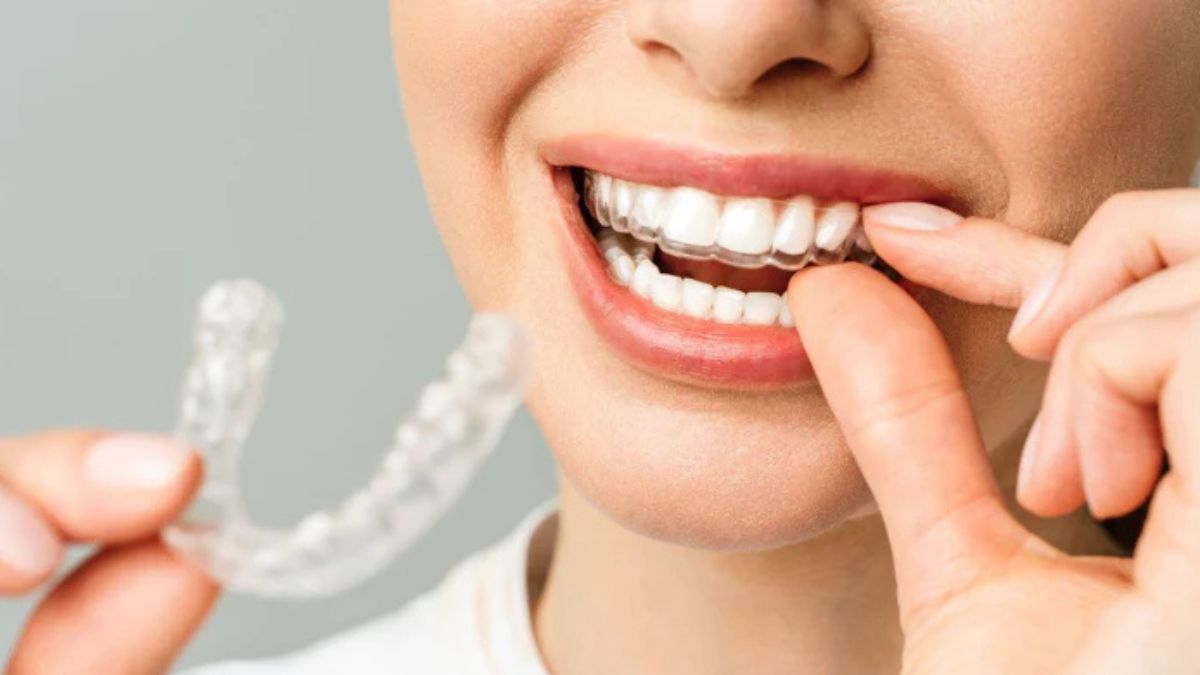
Perhaps the most groundbreaking development in orthodontics is the advent of clear aligners. These nearly invisible trays have taken the world of dental correction by storm. The appeal lies in their straightforward, plastic design, which offers the advantage of a more subtle approach to teeth straightening. Unlike traditional metal braces, clear aligners are removable, enabling users to maintain their regular eating habits and brushing routines. This degree of flexibility is highly valued, especially by adults who want to improve their smiles without disrupting their daily lives. Furthermore, a recent study has confirmed clear aligners’ efficacy in correcting dental alignment, proving that they are not only convenient but also a reliable choice for a variety of orthodontic cases.
Lingual Braces: A Secret Weapon
Lingual braces are a fantastic alternative for patients who require considerable orthodontic treatment but prefer a discreet treatment. Unlike regular braces, they are attached to the back of the teeth, making them inconspicuous. They effectively address complex alignment issues but require specialized expertise for adjustments, possibly leading to more frequent orthodontist visits. However, for those seeking an even more discreet option, Invisalign treatment offers a clear aligner solution that is removable and nearly invisible, providing flexibility and comfort. Their blend of effectiveness and discretion makes them particularly appealing to adults in professional settings.
Advancements in Traditional Braces
Traditional braces have improved significantly, featuring smaller, sleeker brackets and lighter materials that reduce discomfort. These advancements lead to shorter treatment times and more cosmetically appealing options, such as ceramic brackets that match tooth color. As a result, traditional braces remain a viable choice, offering reliable outcomes with enhanced comfort and aesthetics.
Oral Hygiene and Orthodontic Treatment
Orthodontic treatments can complicate oral hygiene, making it essential for patients to adjust their dental care routines. Poor hygiene may lead to issues like decay or gum disease. For traditional braces, tools such as interdental brushes, floss threaders, and water flossers are beneficial for maintaining oral health. Clear aligner users must also clean their teeth and aligners thoroughly to avoid bacteria and stains. Developing good hygiene habits early promotes both a straighter and healthier smile.
Financial Considerations for Orthodontic Options
The cost often influences orthodontic treatment choices. While clear aligners and lingual braces may be pricier than traditional options, many patients consider the benefits worthwhile. Evaluating long-term value, confidence boosts, and quality-of-life improvements can justify the investment. Exploring financial assistance, including insurance, payment plans, and financing, can also make these options more accessible. Future patients should discuss potential benefits and savings with their orthodontists to help ease financial commitments for their ideal smile.
Decision-Making Factors in Orthodontics
Choosing the right orthodontic solution is a personal decision that affects daily life. Factors like lifestyle, budget, and treatment specifics must be balanced. Clear aligners offer convenience for active individuals, while lingual braces provide effective treatment discreetly, appealing to professionals. Resources from organizations like the American Association of Orthodontists help patients evaluate their options to align with personal goals and needs.
The Future of Orthodontic Care
Technologies like 3D printing and AI-driven treatment planning are transforming the future of orthodontic care. These innovations promise increased precision and customization, potentially reducing treatment times and improving patient comfort. As these advancements evolve, they will enhance both aesthetic and functional results in orthodontics, emphasizing the need for patients and orthodontists to adapt in order to achieve personalized smiles more efficiently.

Whiplash injuries are one of the most prevalent outcomes of car accidents, especially rear-end collisions. They can be painful, disruptive, and costly. Knowing how to handle a whiplash injury claim can make a significant difference in your recovery and financial stability. Legal professionals, such as those found through chamlinlaw.com, offer valuable guidance for navigating the complexities of whiplash claims.
Whiplash injuries can lead to lingering pain and financial hardship. Understanding the claims process helps ensure that accident victims don’t bear these burdens alone. Crucially, acting quickly and organizing your documentation helps preserve your right to compensation.
Whether you are dealing with lost wages, mounting medical bills, or negotiations with insurance companies, being well-informed gives you the confidence to make the best decisions. Navigating these steps is often challenging, but carefully following proven strategies can help maximize your compensation.
The following sections will provide an in-depth look at what whiplash is, how to pursue a claim, and how to protect your interests throughout the process.
Whiplash injuries can disrupt your life and create lasting consequences. By understanding your rights, gathering thorough documentation, and seeking the right medical and legal guidance, you can protect yourself and recover the compensation you deserve. Pay careful attention to deadlines, document your experience, and never hesitate to seek help from professionals to navigate this complex process effectively.
What is Whiplash?
Whiplash is a neck injury caused by a sudden, forceful back-and-forth movement of the neck. It is similar in motion to the cracking of a whip, hence the name. This injury frequently results from rear-end car accidents, but it can also occur during sports accidents, physical assaults, or falls.
Common Causes of Whiplash Injuries
Car accidents remain the leading cause of whiplash injuries, with rear-end collisions being the most frequent scenario. Other contributing factors include contact sports such as football, cycling incidents, and accidents involving falls. Even minor accidents can result in whiplash, and symptoms may be delayed for several hours or days after the event.
Symptoms and Diagnosis
Typical symptoms include neck pain, stiffness, headaches at the base of the skull, dizziness, blurred vision, and sometimes fatigue. Some people may experience memory problems, sleep disturbances, or difficulty concentrating. Because symptoms may not appear immediately, it is important to seek medical attention right after an accident to document injuries and facilitate insurance claims. Physicians may use physical examinations, X-rays, MRI scans, or CT scans to diagnose whiplash.
Filing a Whiplash Injury Claim
After sustaining a whiplash injury, the first step is to get proper medical evaluation and care. This ensures that your condition is well-documented, which is essential evidence for your claim. Notify your insurance company of the accident and injury as soon as possible. Be prepared to provide detailed accounts of the incident and your treatment, keeping track of all related expenses and lost wages. Filing promptly will also help you avoid complications from statutes of limitation, which can limit the time you have to take legal action. For more details on filing injury claims, see the resource provided by the Nolo Legal Encyclopedia.
Proving Your Claim: Evidence and Medical Records
To successfully claim compensation, you’ll need to show that the accident caused your whiplash and that it has had a significant impact on your life. Critical evidence includes police reports, medical records, photographs of the accident scene and vehicle damage, and statements from witnesses. Carefully document your symptoms, treatments, and the ways in which the injury affects your work and daily activities. Effective presentation of this evidence increases your chances of securing appropriate compensation.
Potential Damages and Compensation
Whiplash claims can include compensation for medical bills, physical therapy, pain and suffering, mental anguish, lost income, and out-of-pocket expenses related to the injury. In some cases, long-term rehabilitation or future medical needs may be covered. The total settlement often depends on the severity of your symptoms and the clarity of your documentation.
Dealing With Insurance Companies
Insurance adjusters may attempt to minimize your payout by disputing the severity of your injuries or the necessity of certain medical treatments. It is important not to accept the first offer without consulting a professional or thoroughly analyzing your costs. Maintain detailed records of all correspondence and never feel pressured into settling quickly. If disputes arise, consider seeking legal advice to advocate for your interests.|
If your whiplash injury is severe, if an insurer disputes your claim, or if there is confusion about liability, consulting a skilled personal injury attorney is wise. Lawyers can help evaluate the strength of your claim, handle negotiations, and take legal action if necessary. Early legal intervention often maximizes compensation and reduces stress throughout the claims process.
Conclusion
Whiplash injuries can disrupt your life and create lasting consequences. By understanding your rights, gathering thorough documentation, and seeking the right medical and legal guidance, you can protect yourself and recover the compensation you deserve. Pay careful attention to deadlines, document your experience, and never hesitate to seek help from professionals to navigate this complex process effectively.

Foot health is often taken for granted, but caring for your feet is essential to year-round comfort and well-being. Different seasons bring unique changes in temperature, humidity, and activity levels, which can affect your feet in different ways. Taking steps to adjust your routine for each season can help prevent common foot issues while ensuring your feet look and feel their best. If you’re making changes to your footwear for the new season or searching for quality options, consider merino wool socks Toronto as an excellent choice for both comfort and durability.
From dryness in the winter to increased risk of fungal infections in hot months, tailoring your foot care routine is more than just a cosmetic concern. Addressing your feet’ needs as the weather changes can help you avoid discomfort and even prevent more serious health issues. Simple habits like regular moisturizing, choosing the right footwear, and keeping your feet clean become especially important as temperatures fluctuate and your activity levels shift throughout the year.
As you prepare for each season, remember that even minor changes can make a big difference in maintaining healthy feet. Thoughtful care can also help prevent long-term issues such as calluses, cracked heels, and chronic foot pain. Practicing good foot hygiene isn’t just for those with existing conditions; it’s a proactive step that benefits everyone. In addition to these regular routines, consult reputable sources like the American Podiatric Medical Association (APMA) for more tips on foot health.
Understanding how weather and lifestyle impact your feet can empower you to make smarter choices in your daily habits. Whether dressing for the heat of summer or preparing for icy sidewalks in winter, a little extra attention to your foot care will go a long way in keeping you active and comfortable year-round.

Spring Foot Care
With spring’s arrival, people tend to become more active and swap out heavy winter boots for lighter shoes. This transition requires attention to both comfort and hygiene, as feet emerge from months in closed footwear.
- Inspect and Moisturize: After winter, your feet might show signs of dryness or calluses. Regularly inspect your feet, gently exfoliate dead skin, and moisturize daily to promote soft, healthy skin.
- Choose Breathable Footwear: Opt for shoes made from materials like mesh or leather, which allow better airflow and reduce the risk of athlete’s foot and other fungal conditions.
- Manage Allergies: Spring can bring more allergens, which may cause irritation or itchy feet. Keeping feet clean, dry, and changing socks regularly helps manage these issues. If swelling or itching persists, consult a healthcare provider.
Summer Foot Care
High temperatures and humidity increase the risk of sunburn, odor, and fungal infections. Adjusting your routine for summertime activities is vital.
- Protect Against Sunburn: Apply sunscreen with SPF 30 or higher to the tops and soles of your feet before outdoor activities, and reapply after swimming or excessive sweating to avoid damaging burns.
- Keep Feet Clean and Dry: Daily washing, especially between the toes, helps combat bacteria and fungi. Dry thoroughly after washing or swimming to avoid common conditions like athlete’s foot.
- Choose Appropriate Footwear: While sandals are a summer staple, select options with adequate arch support and cushioning. Minimize flip-flops, as they lack support and can contribute to foot pain.
Fall Foot Care
As the weather cools, it’s time to prepare for wetter conditions and decreasing humidity. Adopting a few key practices will help ease the transition and keep your feet healthy.
- Moisturize Regularly: Cooler air can dry out feet. Apply rich foot creams or ointments daily to prevent cracking or rough patches, especially on heels.
- Rotate Footwear: Give your shoes time to air out between wears to reduce moisture and the risk of odor or fungal growth.
- Keep Feet Dry: Wet autumn conditions increase the risk for fungal infections. Wear waterproof shoes and dry them thoroughly after exposure to rain or puddles.
Winter Foot Care
Winter brings cold temperatures, dryness, and limited air circulation for your feet. Protecting your feet from cracking and cold damage is crucial during the chilliest months.
- Moisturize Before Bed: Using a thick, hydrating foot cream nightly can help prevent painful cracks. Wearing cotton socks after moisturizing helps seal in hydration.
- Wear Proper Footwear: Invest in insulated, waterproof boots. Ensure they fit comfortably with thick socks, without being too tight, as cramped footwear can limit blood flow.
- Keep Feet Warm and Dry: Use moisture-wicking socks to avoid dampness and maintain warmth. Take care to avoid direct exposure to freezing temperatures, which can cause frostbite or worsen circulation issues.
General Foot Care Tips
Consistency in your foot care routine, regardless of the time of year, lays the foundation for healthy feet. The following habits should be part of everyone’s self-care plan.
- Regular Inspections: Examine feet daily for blisters, discoloration, or changes in skin texture, particularly if you have diabetes or peripheral vascular disease.
- Proper Nail Care: Trim toenails straight across and never too short to prevent ingrown toenails or infections.
- Stay Active: Simple exercises and daily walks increase blood flow, flexibility, and strength in your feet, aiding long-term foot health.
Proper foot care is a year-round commitment. By adapting your routine to the season, choosing high-quality socks and shoes, and following healthy habits, you can walk confidently and comfortably no matter the weather.

Ensuring that children are safely and comfortably positioned during rehabilitation is crucial to their recovery, health, and quality of life. Optimal positioning helps support physiologic functions, prevents secondary complications, and enhances each child’s participation in daily activities. For families and caregivers, selecting the right pediatric rehab equipment can significantly improve their child’s outcomes and comfort during this journey.
Thoughtful pediatric positioning not only provides immediate benefits in comfort and safety but also helps develop proper posture, prevent contractures, and avoid pressure injuries. With the right strategies and resources, the home environment can be a safe and effective setting for ongoing rehabilitation. It is vital for parents and support teams to understand and implement evidence-based techniques to feel confident in their approach.
Importance of Proper Positioning
Pediatric rehabilitation focuses on helping children achieve their highest level of independence while ensuring their safety and comfort. Proper positioning is essential for preventing pressure sores, improving respiratory function, and enhancing overall well-being. For children with limited mobility or developmental challenges, safe positioning can make everyday activities less stressful and reduce the likelihood of health complications.
Children with special needs may be at increased risk for pressure injuries, joint contractures, and respiratory issues if not properly supported. Consistent positioning strategies can prevent deformities by preserving joint range of motion and supporting muscle tone. Families can work with rehabilitation professionals to develop individualized plans tailored to their child’s unique medical and therapeutic requirements.
Effective positioning also improves a child’s engagement with their environment and enables them to participate fully in play, therapy, and social interactions. According to the American Physical Therapy Association, early and active positioning can also aid in overall child development, aligning with critical milestones in physical growth and function.
Common Positioning Techniques
There are several essential positioning techniques regularly employed by caregivers and therapists in pediatric rehabilitation. Each technique offers specific benefits based on the child’s needs, and all require proper assessment to maximize results and mitigate risks.
- Supine Position: The child lies on their back with their head supported. This position helps maintain spinal alignment, allows for relaxation, and simplifies monitoring of breathing and muscle tone.
- Prone Position: The child lies on their stomach, which encourages head lifting and strengthens the neck, back, and shoulder muscles. Prone positioning can also expand lung capacity and assist in digestive health.
- Side-Lying Position: Lying on the side with padding to maintain posture can relieve pressure on specific areas, provide comfort, and facilitate certain therapeutic activities.
Therapists may also recommend alternative techniques, such as supported sitting or upright standing (with assistive aids), depending on rehabilitation goals. The right strategy depends on continual assessment and the child’s evolving health status.
Assistive Devices for Positioning
Assistive devices enable caregivers to safely position children who may otherwise be unable to maintain alignment independently. Selecting the correct device improves comfort, enhances function, and prevents undue stress on muscles and joints.
- Positioning Aids: Wedges, rolls, bolsters, and foam supports help maintain or correct posture, especially when lying or sitting for extended periods.
- Adaptive Seating: Customized seats, often with harnesses or contoured bases, provide stability and promote proper alignment of the pelvis and trunk, thereby significantly improving function and interaction with the environment.
- Orthotic Devices: Splints and braces are recommended for children at risk of muscle contractures or skeletal deformities. These are fitted to the child and are often used in therapeutic routines under supervision.
Professional assessment is critical before choosing and using any assistive device, as improper use can lead to discomfort or even harm.
Guidelines for Safe Positioning at Home
Translating hospital or clinic protocols to the home environment is an essential part of pediatric rehabilitation. Caregivers should adopt best practices to ensure safety while promoting the child’s participation and independence.
- Change the child’s position every two hours to prevent the development of pressure injuries or sores.
- Always check and maintain alignment of the head, neck, and spine with appropriate support for the limbs.
- Use soft, supportive pillows and cushions to stabilize positioning and maximize comfort.
- Monitor frequently for signs of red or irritated skin, pain, or swelling, and adjust the position accordingly.
- Communicate with your child throughout the process to encourage engagement and recognize discomfort early.
Role of Physical Therapy in Positioning
Physical therapists are essential partners in a child’s rehabilitation journey. From the initial evaluation, therapists help identify positioning needs and collaborate with families to design safe positioning routines and select optimal equipment. They also adapt strategies over time, ensured by regular follow-up to address the child’s changing needs.
Therapy sessions often incorporate both passive and active positioning so children can participate directly, while caregivers observe and learn techniques to replicate at home. Ongoing physical therapy involvement results in improvements in muscle strength, range of motion, and overall participation that are both measurable and noticeable in daily life.
Monitoring and Adjusting Positioning Strategies
Continuous assessment is a crucial part of pediatric positioning. Both caregivers and clinicians must remain vigilant for early signs of discomfort, pressure injuries, or unintended consequences of specific aids or techniques. Frequent feedback from the child and team discussions helps ensure that strategies remain effective and adapt to new challenges as the child grows or recovers.
If issues arise, such as redness, indentations, or pain, caregivers should immediately reassess and seek guidance from their healthcare team. Thorough documentation and open communication among all care providers will support timely adjustments, preventing future complications and supporting an optimal recovery trajectory.
Conclusion
A secure and encouraging positioning strategy is crucial for achieving positive outcomes in pediatric rehabilitation. Recognizing the significance of correct positioning, utilizing suitable methods, and collaborating with physical therapists and other professionals in the care plan allows children to experience increased comfort, improved function, and a higher quality of life. Regular use of top-quality pediatric rehabilitation equipment, family education, and careful monitoring help make each child’s rehabilitation process as safe and effective as possible.
-

 Entertainment1 year ago
Enchantment & Excitement: Crafting Unforgettable Event Experiences
-

 GENERAL2 years ago
From Fan Art to Original Works: The Diversity of doujindesu Creations
-

 Fashion1 year ago
Best Shampoos and Treatments from OZ Hair and Beauty for Thinning Hair: Strengthen and Revitalize Your Strands
-

 GENERAL1 year ago
England Business Visa Requirements for American and International Citizens in 2025: A Guide for Entrepreneurs
-

 GENERAL1 year ago
Crossword Conundrum: The Significance of vault opener nyt crossword
-

 GENERAL1 year ago
French Language Learning for Kids: A Joyful Path to Bilingual Brilliance
-

 GENERAL1 year ago
Latest Trends in Men’s and Women’s Jackets for the Upcoming Season
-

 GENERAL1 year ago
Exploring the World of nhentai.nef: A Comprehensive Guide for New Users