
TECHNOLOGY
The Ultimate Guide to Utilizing 5starsstocks .com for Smarter Investing


Whether you’re new to investing or looking for ways to enhance your portfolio, understanding how 5starsstocks .com works is crucial. This guide will walk you through everything you need to know about maximizing your investments on this powerful platform. Get ready to unlock smarter investing strategies that could lead you toward financial success!
What is 5starsstocks.com?
5starsstocks.com is a cutting-edge investment platform tailored for modern investors. It combines advanced analytics with user-friendly features, making it accessible for both beginners and seasoned traders.
The platform offers a wealth of resources to help users navigate the complex world of stocks and investments. With real-time data and actionable insights, you can make informed choices that align with your financial goals.
Designed with simplicity in mind, 5starsstocks.com prioritizes an intuitive interface. This allows users to focus on what truly matters: growing their investments strategically.
Additionally, the site emphasizes education through various tools and articles, ensuring that even novice investors feel empowered. Whether you’re interested in stock trends or market analysis, this platform serves as an invaluable resource for all levels of investment expertise.
How it works: A breakdown of the platform
5starsstocks.com operates on a straightforward model designed for ease of use. Users begin by creating an account, providing basic information to get started. The registration process is quick, allowing investors to dive into the platform without unnecessary delays.
Once logged in, users can explore various features tailored to enhance their investing journey. The dashboard offers real-time stock data and detailed analyses that help you make informed decisions.
The platform uses advanced algorithms to analyze market trends and provide personalized recommendations based on your investment preferences. This feature allows both novice and seasoned investors to benefit from actionable insights.
Additionally, 5starsstocks.com integrates educational resources seamlessly within its interface. These tools empower users with knowledge about different investment strategies while keeping the experience engaging and user-friendly.
Navigating through the site feels intuitive thanks to its clean design, making it easy for anyone to find what they need quickly.
Benefits of using 5starsstocks.com for investing
5starsstocks.com offers a wealth of advantages for both novice and seasoned investors. Its user-friendly interface makes navigating the platform a breeze, ensuring that users can focus on making informed decisions rather than grappling with complicated tools.
The platform provides real-time data and analytics, allowing investors to stay ahead of market trends. This feature is crucial in today’s fast-paced trading environment where information is key.
Additionally, 5starsstocks.com includes personalized investment recommendations tailored to individual goals. This customization helps users identify opportunities aligned with their financial aspirations.
Another standout benefit is the educational resources available on the site. These materials empower investors by enhancing their knowledge base while promoting smarter investment strategies.
Community engagement features connect like-minded individuals, fostering discussions around successful investing practices and insights from experienced traders.
Tips for maximizing your investments with 5starsstocks.com
To get the most from 5starsstocks.com, start by setting clear investment goals. Know what you want to achieve, whether it’s long-term growth or short-term gains.
Utilize the platform’s analytical tools. These features help you assess market trends and make informed decisions. Don’t skip on researching stocks that show potential.
Diversification is key. Spread your investments across different sectors to minimize risk while maximizing returns. This way, if one sector underperforms, others may balance out your portfolio.
Stay updated with market news and alerts provided by the site. Timely information can be a game changer in making profitable moves.
Engage with the community forums available on 5starsstocks.com. Learning from fellow investors can provide valuable insights and fresh strategies for enhancing your investing approach.
Comparison to other investment platforms
When comparing 5starsstocks.com to other investment platforms, several key differences emerge. Many traditional brokers often charge hefty commissions and fees. In contrast, 5starsstocks.com focuses on providing a cost-effective solution for investors.
User experience is another area where 5starsstocks.com shines. The interface is intuitive and user-friendly, making it accessible even for beginners. Other platforms can sometimes feel overwhelming with complex features that deter new users.
Research tools are critical in investing. While many platforms offer basic information, 5starsstocks.com provides advanced analytics and insights tailored to your investment style. This level of detail helps users make informed decisions quickly.
Support matters in this space. Unlike some competitors that limit customer service hours or channels, 5starsstocks.com offers robust support options that ensure assistance whenever needed—enhancing the overall investing experience significantly.
Conclusion:
Investing in today’s market can be daunting. That’s why tools like 5starsstocks.com are essential for savvy investors. They provide valuable insights and analytics to help you make informed decisions.
As you navigate the world of stocks, having a trusted platform by your side is crucial. With its user-friendly interface and comprehensive resources, 5starsstocks.com stands out among competitors.
Engagement with this platform can enhance your investment strategy significantly. Take advantage of its features, stay updated on trends, and refine your approach over time.
FAQ’S
What is 5starsstocks.com?
5starsstocks.com is an innovative online investing platform designed to provide users with insightful stock market analysis and tools for smarter decision-making. It aggregates valuable information on various stocks, allowing investors to make informed choices based on current market trends.
How does it work?
The platform operates by simplifying complex financial data into user-friendly formats. Users can access detailed reports, real-time analytics, and personalized investment recommendations tailored to their risk profiles. With its intuitive interface, navigating through different sections becomes seamless.
What are the benefits of using this platform?
Users benefit from timely updates on stock performances and expert analyses that help identify potential opportunities in the market. The community aspect allows users to share insights and strategies with one another while learning from experienced investors.



Water damage can strike unexpectedly, putting your home and belongings at risk and resulting in costly repairs. Proactive homeowners can protect their property and peace of mind by focusing on prevention and maintenance. Knowing how to spot vulnerabilities and responding quickly to issues can make a significant difference. Whether you’ve experienced leaks before or are simply looking to safeguard your investment, understanding the essentials of water damage restoration is vital.
Routine maintenance and awareness are essential defenses against issues ranging from minor leaks to major flooding. Water damage is not only financially burdensome but can also pose health hazards due to mold and structural deterioration. By implementing a maintenance plan, you can keep your home secure year-round.
Unchecked water exposure can lead to deep-seated problems in basements, around foundations, and near appliances—areas often missed until damage has already set in. With prevention, you minimize the likelihood of insurance claims, extended repairs, and disruption to your daily life.
Homeowners should also be mindful that weather events such as heavy rain, snowmelt, or severe storms can overwhelm even well-maintained homes. Reliable access to storm damage restoration services is critical, especially during extreme weather seasons.
Regularly Inspect and Maintain Appliances
Home appliances that handle water, such as washing machines, dishwashers, and water heaters, are common sources of subtle leaks and major flooding incidents. Check hoses and connections on these appliances at least once a year for any cracks, bulges, or signs of slow leaks. Upgrading to reinforced, steel-braided hoses can provide an added layer of protection against sudden hose bursts.
Leverage annual maintenance checks by scheduling a professional inspection when necessary. Early identification of faulty components can mean the difference between a minor fix and a major cleanup. According to Consumer Reports, proper installation and use of appliances as directed by the manufacturer further reduces risk.
Keep Gutters and Downspouts Clean
Your home’s gutter system is designed to move water away from the foundation and roof. Clogged gutters can cause overflow, leading to roof leaks, damaged siding, and foundation erosion. Clean gutters two times a year—especially after the autumn leaf drop—or after major storms if you live in an area with frequent severe weather. Gutter guards are a worthwhile investment for minimizing debris accumulation and maintenance labor.
It is crucial to ensure that all downspouts are directing water at least 6 feet away from the foundation. Improper drainage can undermine your home’s structure over time, leading to costly repairs and potential flooding in finished or unfinished basements.
Install Leak Detection Devices
Early leak detection is invaluable for preventing widespread water damage. Placing leak detectors in high-risk locations—such as under kitchen sinks, in laundry rooms, around water heaters, and in basements—ensures you are alerted immediately to any unexpected water. Today’s smart leak detection systems can integrate with your home’s Wi-Fi and send instant alerts to your phone, even when you’re away, enabling prompt, possibly remote intervention. Devices placed in areas prone to water collection can dramatically reduce time to action, helping you avoid larger repairs and insurance issues.
Winterize Your Plumbing
Winter can be unforgiving to household plumbing, especially in regions susceptible to freezing temperatures. Frozen pipes are prone to bursting, causing extensive, rapid water damage. Insulate exposed piping in crawl spaces, attics, and exterior walls. Even when you are away, maintain a minimum indoor temperature of 50°F to help keep pipes above freezing. During cold snaps, allow a slight trickle from faucets to keep water moving and prevent ice blockages. Insurance providers often recommend these steps to reduce seasonal claims significantly.
Seal Windows, Doors, and Cracks
Water can enter through the smallest of cracks or unsealed areas around windows, doors, and where utility lines enter your home. Regularly check and repair caulking and weatherstripping, replacing worn areas promptly. Inspect the foundation for cracks and seal them with appropriate waterproofing materials. Proactively sealing these vulnerable spots reduces the risk of water penetration after heavy rains or snowmelt, safeguarding both interiors and structural materials.
Understand Your Insurance Coverage
Insurance coverage for water damage can vary greatly between providers and policy types. Read your policy carefully to identify what kinds of water damage are included or excluded. Most basic homeowners’ insurance does not cover flooding or sewer backups, but you can often purchase riders or separate flood insurance. Consulting with your insurance agent ensures you won’t face unwelcome surprises after an incident and lets you adjust your protection based on your home’s risk factors.
Maintain Your Roof
The roof is your primary shield against rain, melting snow, and other forms of precipitation. Annual roof inspections—either on your own or by a licensed professional—can help you catch loose, curling, or missing shingles before water leaks develop. Paying close attention to the flashing around chimneys, skylights, and vents is also important, as these are common entry points for water. In regions with heavy tree cover, keep the roof clear of debris to prevent moisture from being trapped and causing premature deterioration of roofing materials.
Monitor Indoor Humidity Levels
Consistently high indoor humidity can lead to excess condensation, contributing to hidden water damage and mold growth—especially in basements, bathrooms, and kitchens. Use dehumidifiers to control moisture in naturally damp areas and ensure these rooms have adequate ventilation. Quickly repair any plumbing leaks and use exhaust fans as needed. Managing indoor humidity also promotes a healthier living environment by reducing mold and allergen levels.
Integrating these practical strategies into your routine can help prevent water damage, preserve your home’s value, and maintain a safe and healthy environment for your family. Staying vigilant, scheduling regular inspections, and promptly addressing emerging risks all help protect against both everyday mishaps and unexpected disasters.
Introduction
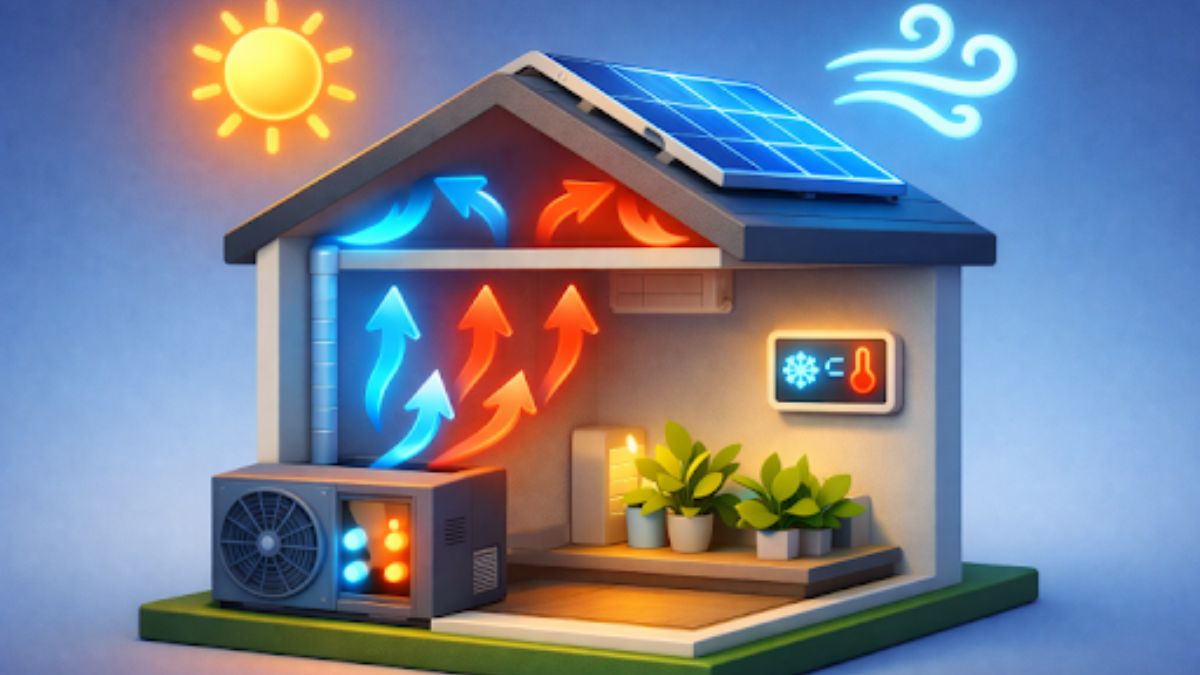
Creating a comfortable indoor atmosphere throughout the changing seasons is an important consideration for both residential and commercial spaces. Advances in heating, cooling, ventilation, and refrigeration systems continue to shape the way we achieve reliable climate control. More than ever, these technological advancements are matched with a commitment to environmental responsibility. Homeowners and businesses interested in Heating & Cooling options often seek solutions that provide comfort, efficiency, and sustainability year-round.
As new systems and controls are developed, consumers have more opportunities to balance comfort with lower utility costs and reduced environmental impact. This comprehensive guide explores the importance of sustainable HVACR design, innovative products on the market, and best practices that contribute to a healthier, more energy-efficient future.
Integrating modern strategies into both new and existing HVAC systems delivers tangible benefits, including cost savings, improved air quality, and longer system lifespans. Environmental awareness, stricter regulatory standards, and advances in smart technology all drive this trend towards more sustainable comfort solutions. These improvements are vital as climate change and resource conservation remain global concerns.
Whether upgrading an older system or designing a new one, understanding the key elements of sustainable HVACR can guide informed choices that yield both short-term and long-term benefits for occupants and for the planet.
Selecting the right solution is especially important in places with significant cooling needs due to high temperatures or humidity. For those interested in learning more about tailored air conditioning options, it is critical to explore the latest market technology to optimize energy use and indoor comfort.
The Importance of Sustainable HVAC Systems
HVAC systems account for a large share of energy consumption in most buildings, making them a natural target for sustainability improvements. According to the U.S. Department of Energy, heating and cooling typically represent about half of an average American home’s energy costs. Old or inefficient systems can lead to high energy bills and a notable carbon footprint. Implementing sustainable practices such as system upgrades, energy-efficient settings, and routine maintenance can drastically reduce utility bills and environmental impacts.
Modern sustainable HVAC systems integrate high-performance components, renewable energy sources, and smart controls to achieve optimal indoor conditions with less energy. This approach ensures long-term cost savings, regulatory compliance, comfort, and improved air quality for building occupants.
Modern Heating Solutions
Energy-efficient heating technologies have revolutionized the way buildings maintain warmth during cooler months. Two of the most prominent approaches include:
- Heat Pumps: These systems extract heat from the air or ground and transfer it indoors. Compared to traditional furnaces, heat pumps can lower energy consumption by up to 50% in many climates, making them a popular choice for eco-conscious consumers.
- Geothermal Systems: By harnessing the stable temperature of the earth, geothermal heat pumps offer a consistent source of warming with minimal emissions. Although initial installation costs can be higher, these systems often pay for themselves over time due to efficiency and durability, lasting for decades with proper maintenance.
Advanced Cooling Technologies
Cooling innovation focuses on balancing temperature regulation, humidity control, and energy efficiency. Noteworthy new technologies include:
- Inverter and Variable Speed Systems: These systems adjust compressor speed to match cooling demand precisely, rather than operating in simple on/off cycles. This dynamic adjustment results in substantial energy savings and improved indoor temperature consistency.
- Evaporative Cooling: Particularly efficient in dry climates, evaporative cooling uses water evaporation to reduce air temperature. It uses significantly less electricity than conventional air conditioning units and emits less greenhouse gas.
Effective Ventilation Strategies
Good ventilation is essential for indoor air quality, moisture control, and comfort. Modern best practices incorporate strategies such as:
- Energy Recovery Ventilators (ERVs): ERVs exchange stale interior air for fresh, filtered outdoor air while minimizing energy loss. These units balance humidity, filter particles, and help maintain indoor comfort year-round.
- Smart Ventilation Controls: Automated systems track real-time conditions, such as air quality and occupancy, and adjust airflow to keep buildings fresh and efficient. These technologies reduce unnecessary energy consumption while providing a healthier indoor environment.
For more in-depth information about home ventilation efficiency, the Consumer Reports guide to indoor air quality offers practical tips and recommendations.
Innovations in Refrigeration
Refrigeration is a vital component of both residential and commercial HVACR systems, and recent advancements aim to reduce energy use and environmental harm. Some of the most significant innovations involve:
- Natural Refrigerants: These refrigerants have lower global warming potentials than traditional refrigerants. Technologies using natural refrigerants, such as R-32, lead to safer systems that meet contemporary environmental standards.
- Advanced Compressor Technologies: Cutting-edge compressors are now engineered for greater efficiency and system longevity. These upgrades result in more reliable refrigeration performance and lower energy costs.
Integrating Smart Controls and Renewable Energy
Incorporating intelligent technologies and renewable energy options can further optimize HVACR system efficiency. Smart thermostats and connected sensors enable systems to adapt in real time, learning usage patterns and environmental conditions to achieve optimal comfort management. In some cases, integrating solar panels with HVAC systems can significantly offset energy demands, especially in sunny climates.
- Smart Thermostats: Learning thermostats customize temperature settings based on occupancy and preferences, which delivers both energy savings and greater comfort.
- Solar-Assisted HVAC: By pairing solar power with heating and cooling equipment, building owners can realize sizable reductions in monthly energy bills and a tangible decrease in environmental impact.
Maintenance Best Practices
Routine care and periodic inspections are necessary to keep any HVACR system operating at peak efficiency. Some recommended maintenance practices include:
- Routine Inspections: Checking system components helps uncover small problems before they lead to expensive repairs or breakdowns.
- Filter Replacement: Dirty or clogged filters restrict airflow and decrease air quality, so following the manufacturer’s filter replacement schedule is critical.
- Professional Servicing: Scheduling annual professional servicing for HVACR systems helps ensure all components are functioning correctly and identifies issues before they become costly.
The U.S. Environmental Protection Agency provides additional resources for maintaining healthy air and efficient ventilation at home.
Conclusion
Embracing modern, sustainable solutions across HVACR systems supports both year-round comfort and the stewardship of local and global resources. From advanced heating and cooling units to smart controls and focused maintenance, each component contributes to reduced operational costs, optimized performance, and improved occupant health. As technology and public awareness push for higher standards, prioritizing sustainable upgrades is a practical step toward a more comfortable, environmentally responsible living and working environment.

Scrap metal recycling is a powerful force for environmental sustainability, economic growth, and community renewal. While often considered a basic environmental practice, recycling scrap metal does so much more. It lessens landfill burdens, supports cleaner manufacturing, and creates stable job opportunities. In thriving economies and developing regions alike, scrap metal dealers NJ and recycling professionals fuel a circular economy that benefits both people and the planet. By fostering these practices, communities set a strong foundation for future well-being and resource conservation.
The ripple effect of metal recycling goes far beyond conservation. Regenerated metals power sustainable manufacturing, reduce demand for mining, and promote safer waste management at the neighborhood level. Across the globe, communities that embrace recycling are also finding innovative ways to rebuild after disasters and to adopt cutting-edge technology for greater efficiency. Understanding these broad impacts helps illustrate how recycling transforms urban centers and rural livelihoods alike.
Environmental Benefits of Scrap Metal Recycling
Recycling scrap metal serves as one of the most effective strategies for reducing solid waste and conserving finite resources. Every ton of steel or aluminum recycled lessens the pressure on landfills and saves thousands of pounds of iron ore and coal from being extracted. Conserving these raw materials curtails habitat destruction, lowers air and water pollution, and slashes greenhouse gas emissions. For example, the Environmental Protection Agency notes that recycling metals consumes far less energy than producing from virgin resources, thereby lowering the carbon footprint of manufacturing and infrastructure projects (EPA).

Economic Impact on Local Communities
Beyond its green credentials, the scrap metal recycling sector functions as an economic engine in urban, suburban, and rural settings. In the United States, the industry generates more than $100 billion in economic activity annually and employs over half a million workers. It creates jobs across a spectrum of skill levels, from collection crews to advanced processing technicians. This, in turn, helps support local economies by generating over $4 billion annually in state and local tax revenue, which finances public amenities such as schools, parks, and emergency services.
Technological Advancements in Metal Recycling
Technology continues to reshape scrap metal recycling, ushering in an era of precision, efficiency, and smarter resource recovery. Adaptive optical sensors, powerful robotics, and artificial intelligence are enabling the sorting and purification of scrap streams quickly and with greater accuracy. One standout innovation is the Shear Assisted Processing and Extrusion (ShAPE) system, which recycles consumer aluminum waste into high-quality products with significant energy savings, cutting energy use by up to 90 percent compared to traditional methods, according to the U.S. Department of Energy.
Community-Based Recycling Initiatives
Many of the world’s most successful recycling programs stem from grassroots and community-based efforts. Local recycling centers and neighborhood drop-off points make it easy and convenient for residents to participate. Schools and civic groups often incorporate educational campaigns and reward programs that encourage recycling and teach the importance of resource stewardship. These local initiatives reduce illegal dumping, bolster social cohesion, and demonstrate that sustainability is a shared responsibility within communities.
Case Study: Los Angeles Fire Recovery
When catastrophic wildfires struck Los Angeles, the cleanup presented formidable challenges but also opportunities for positive transformation. Led by the U.S. Army Corps of Engineers, recovery crews prioritized recycling metal debris and concrete rubble from destroyed homes and businesses. Materials once destined for landfill were instead funneled back into the construction supply chain, fueling both rebuilding efforts and local economic growth. Such strategies not only turn disaster waste into a resource but also help stricken neighborhoods regain a sense of agency and hope.
Global Perspective: Zimbabwe’s Scrap Metal Collectors
Scrap metal recycling is equally vital across different cultural and economic landscapes. In Harare, Zimbabwe, informal metal collectors help mitigate urban waste while supporting their families. Despite facing difficult working conditions and limited access to formal recycling channels, these individuals play a key role in closing the recycling loop and reducing pressure on the environment. Their work exemplifies how grassroots recycling, even in developing regions, contributes to both environmental health and economic resilience.
Future Outlook and Challenges
The future of scrap metal recycling is bright but not without hurdles. Worker safety, regulatory compliance, and the integration of advanced technology into older waste management systems remain areas for improvement. Policy support, community engagement, and ongoing investment in technology and infrastructure are essential for maximizing the benefits of recycling. As demand for sustainable materials increases, the importance of strong recycling networks and innovative practices will only grow.
Conclusion
Scrap metal recycling stands as both a practical solution and a transformational strategy for communities worldwide. Through the combined impact of reduced environmental harm, expanded job opportunities, technological advances, and empowered local initiatives, this industry proves indispensable for sustainable growth. Communities that nurture and prioritize metal recycling are ensuring a cleaner, more prosperous, and more resilient future for themselves and future generations.
-

 GENERAL1 year ago
French Language Learning for Kids: A Joyful Path to Bilingual Brilliance
-

 Entertainment2 years ago
Exploring the World of NHentai: A Comprehensive Guide to nhentai.met
-

 Entertainment2 years ago
Enchantment & Excitement: Crafting Unforgettable Event Experiences
-

 topic2 months ago
How To Compare the True Cost of Golf Course Community Living in Palm Beach Gardens, Florida
-

 GENERAL2 years ago
Latest Trends in Men’s and Women’s Jackets for the Upcoming Season
-

 Fashion2 years ago
Best Shampoos and Treatments from OZ Hair and Beauty for Thinning Hair: Strengthen and Revitalize Your Strands
-

 Home3 months ago
How to Choose the Right Rancho Santa Fe Setting for Your 2026 Home Search
-

 GENERAL2 years ago
From Fan Art to Original Works: The Diversity of doujindesu Creations