
Health
5 Health Problems Army Veterans Can End Up With


Army veterans face unique health challenges due to the physical, mental, and environmental hazards they encounter during service. The aftermath of combat, exposure to toxic substances, and the demanding nature of military training can have long-term consequences on their well-being.
While some conditions are immediate, others develop over time, making it crucial to understand and address these health issues. For many veterans, getting the proper medical attention can be a struggle, particularly when symptoms take years to manifest.
Here are five serious health problems that army veterans often grapple with after their service.
Cancer and Toxic Exposure
Cancer is one of the most devastating health conditions veterans can face, often as a result of exposure to hazardous materials during service. Burn pits, radiation, and prolonged contact with toxic chemicals have been linked to various forms of cancer, including lung, bladder, and prostate cancer.
As per the US Department of Veterans Affairs (VA), over 43,000 veterans get diagnosed with cancer each year. For some veterans, the symptoms of cancer may not appear until years after their service, making early detection and treatment a challenge.
Military personnel who served in high-risk environments, like those involved in chemical handling, have been found to have an elevated risk of developing cancer. One particularly concerning issue is AFFF firefighting foam, which has been widely used by the military for fire suppression.
According to TruLaw, this foam contains PFAS – chemicals that have been directly linked to cancer and other serious health conditions. Many veterans who were exposed to AFFF during training exercises or emergency responses have developed cancer, leading to a wave of legal action. AFFF cancer lawsuits have emerged as affected veterans seek justice, with many hoping for fair AFFF lawsuit settlement amounts.
The AFFF firefighting foam lawsuits support the VA claims for exposure to AFFF. As per these claims, manufacturers failed to warn military personnel about the dangers of PFAS exposure. As a result, thousands of veterans are now engaged in AFFF lawsuits to hold companies accountable and secure compensation for their suffering.
The ongoing AFFF lawsuits highlight the devastating impact of AFFF exposure on veterans’ health and the need for continued advocacy and medical support.
Post-Traumatic Stress Disorder (PTSD)
Did you know that military service is the most common cause of PTSD in men? Studies conducted on veterans of the Afghanistan and Iraq wars show that around 30 percent of them have developed PTSD over time.
As per research, at any given point in their lives, 7 out of every 100 veterans will end up with PTSD. Thus, it’s evident that PTSD is one of the most well-documented mental health conditions affecting veterans.
The psychological scars left by combat and high-stress environments can last a lifetime, leading to flashbacks, nightmares, and severe anxiety. Veterans with PTSD often struggle to reintegrate into civilian life, finding it difficult to maintain relationships or hold steady jobs.
The constant state of hypervigilance and emotional distress can also lead to substance abuse or suicidal thoughts.
Which aspect of war is the most traumatizing for a veteran?
The most traumatizing aspect of war varies for each veteran, but witnessing death, losing comrades, and enduring constant fear are among the hardest experiences. Combat stress, survivor’s guilt, and moral injuries can leave lasting psychological scars. The transition back to civilian life can also be deeply challenging after years in a warzone.
Traumatic Brain Injuries (TBI)
Traumatic brain injuries are another significant health concern for veterans, especially those who have been exposed to blasts or head trauma during their service. Even mild TBIs, often referred to as concussions, can have long-lasting effects on cognitive function, memory, and emotional stability.
More severe TBIs can result in permanent brain damage, affecting speech, mobility, and overall quality of life. Many veterans with TBIs struggle with headaches, dizziness, and mood swings, making daily tasks a challenge.
Unfortunately, due to the nature of military culture, many service members dismiss their symptoms until they become debilitating.
Chronic Pain and Musculoskeletal Injuries
The physical demands of military service take a toll on the body, leaving many veterans with chronic pain and musculoskeletal injuries. Years of carrying heavy loads, performing repetitive motions, and enduring intense training regimens can lead to joint pain, arthritis, and back problems.
Approximately one-third of veterans in the US were diagnosed with arthritis between 2017 and 2021. Many veterans find themselves dependent on pain medication just to get through the day, which, in turn, increases the risk of opioid addiction.
Some may undergo multiple surgeries in an attempt to regain mobility, while others must learn to manage their pain through physical therapy. Without proper medical support, chronic pain can severely impact a veteran’s ability to lead a normal, fulfilling life.
Are veterans taken care of properly after military service?
Support for veterans depends on the country and available programs. Some receive healthcare, financial aid, and job assistance, but many struggle with mental health issues, homelessness, and unemployment. Delays in accessing benefits and lack of sufficient mental health resources remain significant concerns. Proper care varies widely based on government policies and societal support.
Cardiovascular Disease
Heart disease is another prevalent issue among veterans, often exacerbated by high-stress environments and unhealthy coping mechanisms. The combination of poor sleep, irregular eating habits, and prolonged exposure to combat stress contributes to an increased risk of hypertension, heart attacks, etc.
Many veterans also develop heart problems due to prolonged use of tobacco, alcohol, or unhealthy diets after leaving the service. The transition to civilian life can be stressful, leading to lifestyle choices that further elevate the risk of cardiovascular disease.
Without early intervention and regular medical care, heart disease can become a life-threatening condition for many former service members.
Can you retire from the army whenever you choose to?
No, military retirement is based on service commitments and contracts. Most soldiers must complete their agreed terms, typically ranging from four to twenty years. Early retirement or discharge is possible under special circumstances, such as medical conditions or hardship. Full military retirement benefits usually require at least 20 years of service.
The health challenges faced by army veterans extend far beyond their years of service. From cancer to PTSD, these conditions can drastically alter their quality of life.
Veterans deserve better access to healthcare and early detection programs. Addressing these health problems requires a commitment from both government institutions and society to ensure that veterans receive the care and support they need. Their sacrifices should never be met with neglect but rather with comprehensive medical assistance and the recognition they rightfully deserve.


After a serious accident, liability is often the central question. It determines whether an injured person may seek compensation and which person, business, or insurer may be responsible. A Monroe County personal injury lawyer can help evaluate the facts of a crash, fall, animal-related incident, or other injury event, but the first steps taken after an accident can also affect the available evidence.
Liability is not always determined by a single obvious fact, such as who received a citation or whose vehicle has the most damage. Wisconsin personal injury cases commonly require a careful review of conduct, road or property conditions, witness accounts, medical records, and the connection between the accident and the claimed injuries.
What Liability Means in an Injury Case
Liability is legal responsibility for harm. In many personal injury claims, the issue is whether a person or entity acted negligently. Negligence may involve doing something unsafe, such as speeding through a slippery curve, or failing to do something reasonable, such as repairing a dangerous stairway after receiving notice of the problem.
Accidents on rural Wisconsin roads can create especially complicated questions. Narrow shoulders, limited lighting, loose gravel, deer, farm equipment, poor weather, and delayed emergency access may all be relevant. These conditions do not automatically excuse unsafe driving. Instead, they may affect what constitutes reasonable care under the circumstances.
How Negligence Is Proven
Most injury claims involve four basic points: a duty of care, a breach of that duty, causation, and damages. Drivers generally owe others a duty to operate vehicles safely. Property owners may have duties to maintain reasonably safe premises. Employers may have obligations connected to hiring, training, supervision, or vehicle maintenance.
Connecting Conduct to Injury
Showing that someone made a mistake is not enough by itself. The evidence must also support a connection between that conduct and the injury. For example, a distracted driver may have crossed the centerline, but a claim still requires documentation of the resulting medical condition, treatment, lost income, pain, or other losses.
Prompt medical attention can be important because shock and adrenaline sometimes mask symptoms. Follow-up care, diagnostic testing, prescriptions, work restrictions, and a clear record of changing symptoms can help show how an injury affected daily life.
How Shared Fault Can Affect a Claim
Wisconsin uses a comparative negligence approach. Under the state’s comparative negligence statute, an injured person’s damages may be reduced by that person’s share of causal negligence. Recovery may be barred when the injured person’s negligence is greater than the negligence of the person from whom recovery is sought.
Shared fault can arise in many ways. A driver may have been speeding while another driver failed to yield. A pedestrian may have been distracted while a motorist was not watching the roadway. Insurers may argue that weather, visibility, vehicle maintenance, seat belt use, or other conduct contributed to the outcome. Those arguments should be evaluated against the full evidence, not accepted simply because they are raised.
When More Than One Party May Be Liable
The apparent at-fault driver is not always the only potentially responsible party. A commercial vehicle case may involve the driver, employer, vehicle owner, maintenance company, cargo loader, or another business. A dangerous-property claim may involve an owner, tenant, manager, maintenance contractor, or government entity, depending on the location and circumstances.
Road defects can also require a closer review. Photographs should capture the exact location, pothole, missing sign, obscured sightline, debris, shoulder condition, or traffic-control issue before repairs or weather changes alter the scene. Claims involving government entities can have special procedural requirements, so delays can be costly.
Evidence That May Matter
Evidence should be preserved without endangering anyone or interfering with emergency responders. At a crash scene, move away from traffic when possible, call 911 for injuries or hazards, and avoid standing in an active roadway to take photos.
- Photograph vehicles, injuries, road conditions, signs, debris, skid marks, lighting, and weather.
- Save unedited photos, videos, dashcam recordings, navigation data, and relevant phone records.
- Get names and contact information for witnesses, passengers, responding officers, and towing personnel.
- Write a timeline while details are fresh, including what each person said and when symptoms began.
- Keep medical bills, discharge instructions, repair estimates, wage-loss information, and damaged personal items.
Wisconsin Crash Reporting Basics
A reportable Wisconsin crash generally includes one involving an injury, at least $1,000 in damage to a person’s vehicle or property, or at least $200 in damage to non-vehicle government property. The Wisconsin Department of Transportation explains when a driver’s report of a crash may be required if law enforcement does not file one.
Keep the report number, agency name, date, and location. Review the completed report for straightforward errors involving names, vehicle details, or the crash location. Still, remember that a report records observations and statements. It may not resolve every question about legal responsibility.
Communicating With Insurance Companies
Notify the appropriate insurer within the time required by the policy and provide accurate basic information. Avoid estimating speed, distance, fault percentages, or the ultimate seriousness of an injury when you do not know. Cooperation does not require speculation.
Keep a log of calls, emails, claim numbers, requested documents, and settlement offers. Be cautious before providing a recorded statement, signing a broad medical authorization, or accepting a settlement while treatment is ongoing. A quick resolution may not account for future care, lost earning capacity, or complications that are not yet known.
A Practical First-Week Checklist
- Get emergency or follow-up medical care and follow treatment instructions.
- Report the accident when required and obtain identifying information for the report.
- Save photos, witness information, damaged items, and electronic records.
- Write a complete personal timeline and symptom journal.
- Notify insurers, but stick to confirmed facts.
- Gather medical, employment, repair, and insurance documents in one folder.
- Seek qualified legal guidance if fault is disputed, injuries are serious, multiple parties may be involved, or an insurer pressures you to settle.
Understanding liability starts with careful facts. Safety and medical care come first, followed by organized records and clear communication. Those steps can make it easier to evaluate responsibility while protecting the details that may matter later.
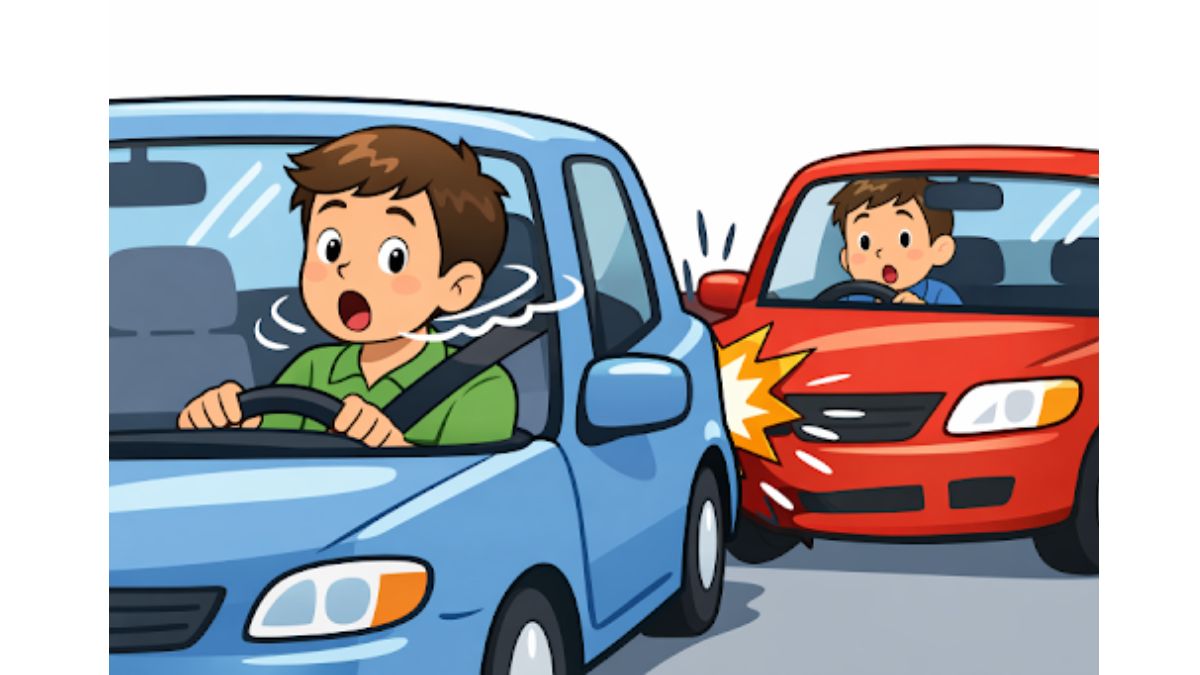
Whiplash injuries are one of the most prevalent outcomes of car accidents, especially rear-end collisions. They can be painful, disruptive, and costly. Knowing how to handle a whiplash injury claim can make a significant difference in your recovery and financial stability. Legal professionals, such as those found through chamlinlaw.com, offer valuable guidance for navigating the complexities of whiplash claims.
Whiplash injuries can lead to lingering pain and financial hardship. Understanding the claims process helps ensure that accident victims don’t bear these burdens alone. Crucially, acting quickly and organizing your documentation helps preserve your right to compensation.
Whether you are dealing with lost wages, mounting medical bills, or negotiations with insurance companies, being well-informed gives you the confidence to make the best decisions. Navigating these steps is often challenging, but carefully following proven strategies can help maximize your compensation.
The following sections will provide an in-depth look at what whiplash is, how to pursue a claim, and how to protect your interests throughout the process.
Whiplash injuries can disrupt your life and create lasting consequences. By understanding your rights, gathering thorough documentation, and seeking the right medical and legal guidance, you can protect yourself and recover the compensation you deserve. Pay careful attention to deadlines, document your experience, and never hesitate to seek help from professionals to navigate this complex process effectively.
What is Whiplash?
Whiplash is a neck injury caused by a sudden, forceful back-and-forth movement of the neck. It is similar in motion to the cracking of a whip, hence the name. This injury frequently results from rear-end car accidents, but it can also occur during sports accidents, physical assaults, or falls.
Common Causes of Whiplash Injuries
Car accidents remain the leading cause of whiplash injuries, with rear-end collisions being the most frequent scenario. Other contributing factors include contact sports such as football, cycling incidents, and accidents involving falls. Even minor accidents can result in whiplash, and symptoms may be delayed for several hours or days after the event.
Symptoms and Diagnosis
Typical symptoms include neck pain, stiffness, headaches at the base of the skull, dizziness, blurred vision, and sometimes fatigue. Some people may experience memory problems, sleep disturbances, or difficulty concentrating. Because symptoms may not appear immediately, it is important to seek medical attention right after an accident to document injuries and facilitate insurance claims. Physicians may use physical examinations, X-rays, MRI scans, or CT scans to diagnose whiplash.
Filing a Whiplash Injury Claim
After sustaining a whiplash injury, the first step is to get proper medical evaluation and care. This ensures that your condition is well-documented, which is essential evidence for your claim. Notify your insurance company of the accident and injury as soon as possible. Be prepared to provide detailed accounts of the incident and your treatment, keeping track of all related expenses and lost wages. Filing promptly will also help you avoid complications from statutes of limitation, which can limit the time you have to take legal action. For more details on filing injury claims, see the resource provided by the Nolo Legal Encyclopedia.
Proving Your Claim: Evidence and Medical Records
To successfully claim compensation, you’ll need to show that the accident caused your whiplash and that it has had a significant impact on your life. Critical evidence includes police reports, medical records, photographs of the accident scene and vehicle damage, and statements from witnesses. Carefully document your symptoms, treatments, and the ways in which the injury affects your work and daily activities. Effective presentation of this evidence increases your chances of securing appropriate compensation.
Potential Damages and Compensation
Whiplash claims can include compensation for medical bills, physical therapy, pain and suffering, mental anguish, lost income, and out-of-pocket expenses related to the injury. In some cases, long-term rehabilitation or future medical needs may be covered. The total settlement often depends on the severity of your symptoms and the clarity of your documentation.
Dealing With Insurance Companies
Insurance adjusters may attempt to minimize your payout by disputing the severity of your injuries or the necessity of certain medical treatments. It is important not to accept the first offer without consulting a professional or thoroughly analyzing your costs. Maintain detailed records of all correspondence and never feel pressured into settling quickly. If disputes arise, consider seeking legal advice to advocate for your interests.|
If your whiplash injury is severe, if an insurer disputes your claim, or if there is confusion about liability, consulting a skilled personal injury attorney is wise. Lawyers can help evaluate the strength of your claim, handle negotiations, and take legal action if necessary. Early legal intervention often maximizes compensation and reduces stress throughout the claims process.
Conclusion
Whiplash injuries can disrupt your life and create lasting consequences. By understanding your rights, gathering thorough documentation, and seeking the right medical and legal guidance, you can protect yourself and recover the compensation you deserve. Pay careful attention to deadlines, document your experience, and never hesitate to seek help from professionals to navigate this complex process effectively.

Foot health is often taken for granted, but caring for your feet is essential to year-round comfort and well-being. Different seasons bring unique changes in temperature, humidity, and activity levels, which can affect your feet in different ways. Taking steps to adjust your routine for each season can help prevent common foot issues while ensuring your feet look and feel their best. If you’re making changes to your footwear for the new season or searching for quality options, consider merino wool socks Toronto as an excellent choice for both comfort and durability.
From dryness in the winter to increased risk of fungal infections in hot months, tailoring your foot care routine is more than just a cosmetic concern. Addressing your feet’ needs as the weather changes can help you avoid discomfort and even prevent more serious health issues. Simple habits like regular moisturizing, choosing the right footwear, and keeping your feet clean become especially important as temperatures fluctuate and your activity levels shift throughout the year.
As you prepare for each season, remember that even minor changes can make a big difference in maintaining healthy feet. Thoughtful care can also help prevent long-term issues such as calluses, cracked heels, and chronic foot pain. Practicing good foot hygiene isn’t just for those with existing conditions; it’s a proactive step that benefits everyone. In addition to these regular routines, consult reputable sources like the American Podiatric Medical Association (APMA) for more tips on foot health.
Understanding how weather and lifestyle impact your feet can empower you to make smarter choices in your daily habits. Whether dressing for the heat of summer or preparing for icy sidewalks in winter, a little extra attention to your foot care will go a long way in keeping you active and comfortable year-round.

Spring Foot Care
With spring’s arrival, people tend to become more active and swap out heavy winter boots for lighter shoes. This transition requires attention to both comfort and hygiene, as feet emerge from months in closed footwear.
- Inspect and Moisturize: After winter, your feet might show signs of dryness or calluses. Regularly inspect your feet, gently exfoliate dead skin, and moisturize daily to promote soft, healthy skin.
- Choose Breathable Footwear: Opt for shoes made from materials like mesh or leather, which allow better airflow and reduce the risk of athlete’s foot and other fungal conditions.
- Manage Allergies: Spring can bring more allergens, which may cause irritation or itchy feet. Keeping feet clean, dry, and changing socks regularly helps manage these issues. If swelling or itching persists, consult a healthcare provider.
Summer Foot Care
High temperatures and humidity increase the risk of sunburn, odor, and fungal infections. Adjusting your routine for summertime activities is vital.
- Protect Against Sunburn: Apply sunscreen with SPF 30 or higher to the tops and soles of your feet before outdoor activities, and reapply after swimming or excessive sweating to avoid damaging burns.
- Keep Feet Clean and Dry: Daily washing, especially between the toes, helps combat bacteria and fungi. Dry thoroughly after washing or swimming to avoid common conditions like athlete’s foot.
- Choose Appropriate Footwear: While sandals are a summer staple, select options with adequate arch support and cushioning. Minimize flip-flops, as they lack support and can contribute to foot pain.
Fall Foot Care
As the weather cools, it’s time to prepare for wetter conditions and decreasing humidity. Adopting a few key practices will help ease the transition and keep your feet healthy.
- Moisturize Regularly: Cooler air can dry out feet. Apply rich foot creams or ointments daily to prevent cracking or rough patches, especially on heels.
- Rotate Footwear: Give your shoes time to air out between wears to reduce moisture and the risk of odor or fungal growth.
- Keep Feet Dry: Wet autumn conditions increase the risk for fungal infections. Wear waterproof shoes and dry them thoroughly after exposure to rain or puddles.
Winter Foot Care
Winter brings cold temperatures, dryness, and limited air circulation for your feet. Protecting your feet from cracking and cold damage is crucial during the chilliest months.
- Moisturize Before Bed: Using a thick, hydrating foot cream nightly can help prevent painful cracks. Wearing cotton socks after moisturizing helps seal in hydration.
- Wear Proper Footwear: Invest in insulated, waterproof boots. Ensure they fit comfortably with thick socks, without being too tight, as cramped footwear can limit blood flow.
- Keep Feet Warm and Dry: Use moisture-wicking socks to avoid dampness and maintain warmth. Take care to avoid direct exposure to freezing temperatures, which can cause frostbite or worsen circulation issues.
General Foot Care Tips
Consistency in your foot care routine, regardless of the time of year, lays the foundation for healthy feet. The following habits should be part of everyone’s self-care plan.
- Regular Inspections: Examine feet daily for blisters, discoloration, or changes in skin texture, particularly if you have diabetes or peripheral vascular disease.
- Proper Nail Care: Trim toenails straight across and never too short to prevent ingrown toenails or infections.
- Stay Active: Simple exercises and daily walks increase blood flow, flexibility, and strength in your feet, aiding long-term foot health.
Proper foot care is a year-round commitment. By adapting your routine to the season, choosing high-quality socks and shoes, and following healthy habits, you can walk confidently and comfortably no matter the weather.
-

 GENERAL1 year ago
French Language Learning for Kids: A Joyful Path to Bilingual Brilliance
-

 Entertainment2 years ago
Exploring the World of NHentai: A Comprehensive Guide to nhentai.met
-

 Entertainment1 year ago
Enchantment & Excitement: Crafting Unforgettable Event Experiences
-

 topic1 month ago
How To Compare the True Cost of Golf Course Community Living in Palm Beach Gardens, Florida
-

 GENERAL2 years ago
Latest Trends in Men’s and Women’s Jackets for the Upcoming Season
-

 Fashion2 years ago
Best Shampoos and Treatments from OZ Hair and Beauty for Thinning Hair: Strengthen and Revitalize Your Strands
-

 Home2 months ago
How to Choose the Right Rancho Santa Fe Setting for Your 2026 Home Search
-

 GENERAL2 years ago
From Fan Art to Original Works: The Diversity of doujindesu Creations