
TECHONOLOGY
Unlocking the Future: How to Install metamask download tumblr


If you’ve heard about cryptocurrencies and blockchain technology, then you’ve likely stumbled across metamask download tumblr. This powerful cryptocurrency wallet acts as your gateway to Ethereum-based applications and decentralized exchanges. Whether you’re a crypto newbie or a seasoned trader, having Metamask in your digital toolkit is essential for navigating this ever-evolving landscape.
But how do you get started with it? Fear not! In this guide, we will walk you through everything from downloading Metamask on Tumblr to setting up your very own wallet. Let’s unlock the future together and ensure that you’re equipped with the knowledge needed to make the most out of this incredible tool.
Step-by-Step Guide on How to Download Metamask
Downloading Metamask is a straightforward process. Start by visiting the official Metamask website or your browser’s extension store.
If you’re using Chrome, head to the Chrome Web Store. Search for “Metamask” and click on the right link. Make sure it’s from the official source to avoid scams.
Once you’ve found it, hit that “Add to Chrome” button. A pop-up will appear asking you to confirm your choice. Click “Add Extension” and watch as Metamask installs itself in seconds.
For Firefox users, go through similar steps in the add-ons section of their browser. After installation, you’ll see the fox icon in your toolbar.
Clicking this icon opens up your new wallet setup process! You’re just moments away from accessing a world of decentralized finance and digital assets.
Setting Up Your Metamask Wallet
Once you’ve downloaded Metamask, it’s time to set up your wallet. Start by clicking on the extension icon in your browser.
You’ll be prompted to create a new wallet or import an existing one. If you’re new, choose “Create a Wallet.”
Next, you’ll need to create a strong password. Ensure it’s something unique that you can remember but hard for others to guess.
Following this step, Metamask will generate a recovery phrase for you. This 12-word phrase is crucial; write it down and store it safely offline. It acts as your key if you ever lose access.
Once done, confirm your recovery phrase by selecting the words in order. This process secures your account further.
After completing these steps, your Metamask wallet is ready! You can now explore decentralized applications and manage cryptocurrencies seamlessly.
Understanding the Features of Metamask
Metamask is more than just a wallet; it’s your gateway to the decentralized web. One standout feature is its built-in browser, which allows you to interact directly with blockchain applications without needing additional software.
You can easily manage multiple Ethereum accounts. This means you can separate personal and business transactions effortlessly. The user interface is intuitive, making navigation smooth for both beginners and seasoned users.
Security features are robust as well. Metamask encrypts your private keys locally on your device, ensuring only you have access to your funds. Moreover, the ability to connect hardware wallets adds an extra layer of protection.
Another significant aspect is token support. You’re not limited to ETH alone; Metamask enables you to store various ERC-20 tokens easily. This versatility attracts many users looking for an all-in-one solution in managing their digital assets effectively.
Tips and Tricks for Using Metamask Effectively
Maximizing your experience with Metamask can enhance both security and convenience. Always keep your seed phrase safe. This key to your wallet should remain offline, stored securely out of reach.
Adjust transaction fees according to urgency. Higher fees mean faster processing, especially during peak times. You have the power to balance cost and speed.
Utilize custom tokens for easy access to new cryptocurrencies. By adding these tokens directly in Metamask, you streamline tracking and transactions.
Consider using hardware wallets for added security if you’re managing significant crypto assets. They provide an extra layer of protection against online threats.
Stay updated on phishing scams targeting wallet users. Regularly check Metamask’s official channels for alerts regarding potential risks or updates that could affect you.
Explore the vast ecosystem around Ethereum dApps through Metamask integration; it opens doors to new opportunities within decentralized finance (DeFi) and beyond.
Conclusion:
As you navigate the world of cryptocurrency, having a reliable wallet like Metamask is crucial. It opens doors to decentralized finance (DeFi) and blockchain-based applications.
With its user-friendly interface and extensive features, it can enhance your experience significantly. Plus, with the right tips and tricks, you’ll feel more confident using it every day.
Staying informed about updates or changes will only make your journey smoother. The community around Metamask is vibrant and always evolving.
Embrace this opportunity to dive into the fascinating realm of digital assets. With each step you take in understanding how everything works, you’re building a solid foundation for future investments.
FAQ’s
What is Metamask?
Metamask is a cryptocurrency wallet that allows you to manage your digital assets, interact with decentralized applications (dApps), and trade tokens securely. It serves as a bridge between regular browsers and the Ethereum blockchain.
Is it safe to use Metamask?
Yes, when used correctly. Ensure you keep your seed phrase private and enable security features like password protection. Always download from official sources to avoid scams.
How do I recover my wallet if I forget my password?
If you’ve backed up your seed phrase securely, you can restore access by entering it during the login process on any device where Metamask is installed.
TECHONOLOGY
Need Accurate 3D Scanning Services in Ventura, CA? WM Surveys, Inc. Delivers Laser Scanning, GNSS, and Drone Positioning

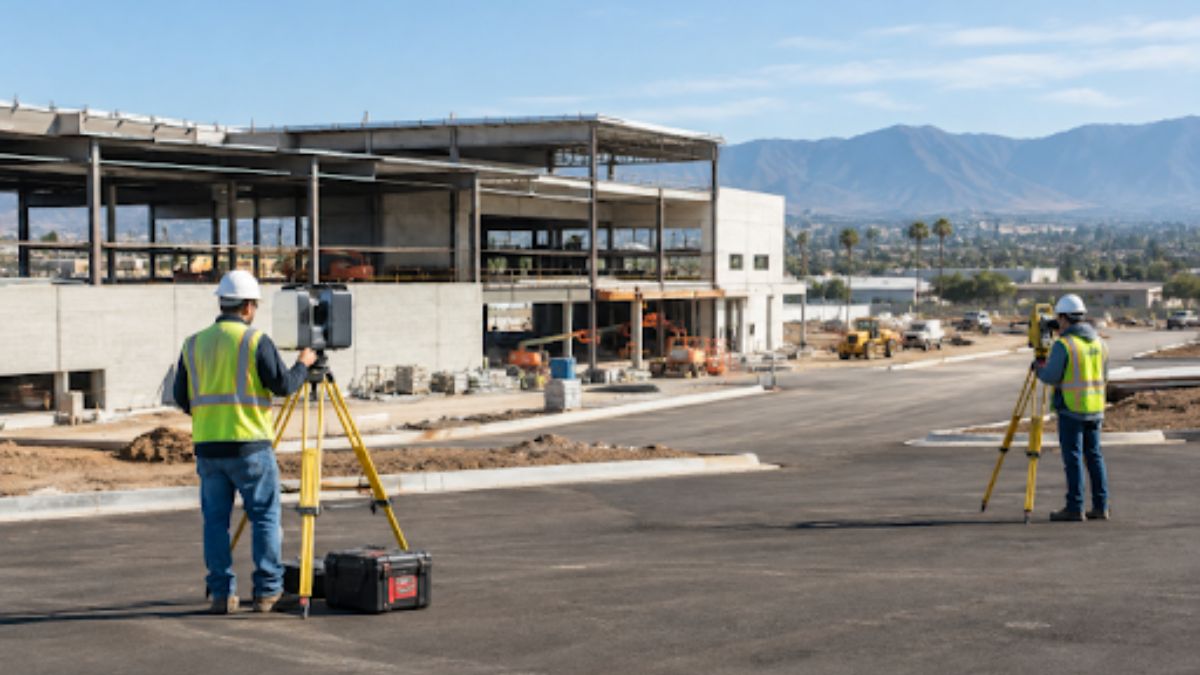
Project decisions are only as dependable as the information behind them. When a site has outdated plans, difficult-to-reach features, incomplete elevations, or complex existing conditions, a detailed field record can help teams plan with greater confidence. For clients seeking 3d scanning services Ventura CA, WM Surveys, Inc. provides professional equipment and field methods for laser scanning, GPS and GNSS positioning, surveying, leveling, and UAS drone orthophotos.
What Is the Best Way to Request 3D Scanning Services in Ventura, CA?
The best starting point is a project-specific discussion with WM Surveys, Inc. Owners, contractors, architects, engineers, facility managers, and public agencies should explain what they need to understand or document. A request may involve existing building conditions, a road corridor, site elevations, an industrial area, a stockpile, or an inaccessible feature that needs aerial context.
That conversation should focus on the outcome rather than simply asking for a scanner or drone. A point cloud, orthophoto, control network, elevation record, field measurements, or another deliverable may be appropriate depending on the assignment. WM Surveys, Inc. can evaluate which field methods fit the project’s goals and site conditions.
Why Incomplete Site Measurements Create Project Risk
Drawings can become outdated as buildings are modified, equipment is installed, grades change, or site work progresses. Missing dimensions and elevations can also make it harder for a design or construction team to compare plans with current conditions. A carefully collected spatial record gives stakeholders a more complete basis for reviewing visible features before moving forward.
Scanning and field measurements do not replace boundary research, legal descriptions, professional judgment, or any survey work required for a particular decision. Instead, they can add detailed documentation of observable site conditions. WM Surveys, Inc. helps clients select an appropriate combination of tools instead of assuming one technology solves every measurement problem.
How WM Surveys, Inc. Uses 3D Laser Scanning
3D laser scanning is a non-contact method of gathering spatial information from physical surroundings. The resulting data can support a measurable digital representation of surfaces, structures, features, and site elements within the scanner’s view. Field planning matters because scan locations, line of sight, surface characteristics, point density, registration needs, and control can all affect the usefulness of the final dataset.
Applications for Detailed Existing-Condition Documentation
WM Surveys, Inc. identifies applications for 3D spatial information that include architectural buildings and features, historical buildings, archaeological sites, road corridors, traffic crash scenes, plane crash sites, oil refineries, pump stations, and stockpiles. Each environment presents different access, safety, visibility, and deliverability considerations. A historic façade may require dense documentation of visible details, while an industrial facility may require careful planning around operating areas and obstructions.
The company lists both the Trimble SX10 scanning total station and the Trimble X7 3D laser scanner among its equipment. These tools can be used as part of a field strategy designed around the client’s scope, not as a substitute for defining that scope.
When GNSS or GPS Positioning Is Useful
GNSS positioning is valuable when a project needs coordinates, elevations, control points, or a consistent geographic reference for field observations. WM Surveys, Inc. lists GPS positioning services, geodetic control networks, aids to navigation, Bluebook-related work, and the Trimble R12i GNSS system as part of its capabilities.
GNSS results can be influenced by obstructions, satellite geometry, reflected signals, correction methods, and quality-control procedures. The NOAA CORS Network provides GNSS data that supports three-dimensional positioning and can help users align work within the National Spatial Reference System. For a local project, the relevant coordinate system, datum, control requirements, and acceptable tolerances should be established before field collection begins.
How Surveying Instruments Support Reliable Field Data
Professional equipment supports a range of measurement tasks, but equipment alone does not determine a result’s suitability. Field planning, observation procedures, calibration, site control, data processing, and review are equally important. WM Surveys, Inc. lists the following technologies for its field crews:
- Trimble S7 robotic total station: Reflectorless and automated measurement capabilities for detailed site work and construction-related measurements.
- Trimble R12i GNSS system: Satellite-based positioning for coordinate collection and control applications.
- Trimble SX10 scanning total station: A platform that combines surveying and scanning capabilities.
- Trimble X7 3D laser scanner: Three-dimensional reality-capture equipment for detailed documentation.
- Trimble DiNi digital level: Equipment used for leveling and elevation-related field work.
- DJI Mavic 3 Enterprise drones: Aerial imagery collection for orthophotos and site documentation where appropriate.
Combining Laser Scanning, GNSS, and Drone Mapping
Many projects benefit from a coordinated workflow. WM Surveys, Inc. may begin by reviewing available plans, site access, safety requirements, and desired deliverables. The field team can then establish or verify suitable project control, collect ground observations with GNSS, total stations, levels, or scanners, and capture aerial imagery when it serves the scope.
After collection, data can be registered, reviewed, organized, and prepared in the format agreed upon for the project. The exact process should remain flexible. A compact building documentation assignment and a large corridor or industrial site rarely require the same sequence of equipment or the same final files.
Drone Orthophotos and FAA-Aware Operations
UAS drone orthophotos can provide useful aerial context for site visualization, progress records, corridor review, and areas that are difficult to observe from the ground. WM Surveys, Inc. states that it uses DJI Mavic 3 Enterprise drones and that its pilots are licensed under FAA Part 107.
Commercial drone work must still account for airspace, weather, visibility, site access, safety, and operational restrictions. The FAA’s Part 107 rules for small unmanned aircraft operations address commercial and government drone uses, including pilot certification and operating requirements. Drone imagery can add valuable context, but its role and limits should be defined within the overall survey or documentation scope.
Which Projects Can Benefit?
Construction teams may need existing-condition records, site control, layout support, or progress documentation. Architecture and engineering teams may need dimensional references for buildings and complex features. Industrial facilities may require documentation around structures, equipment areas, refineries, or pump stations. Transportation assignments can involve road corridors or incident scenes, while public-sector work may require geographic positioning and control. Historic preservation, stockpile documentation, and aerial site records are also potential uses for these services.
What to Include in a Quote Request
To help WM Surveys, Inc. develop a scope-specific recommendation, provide the project location, project type, purpose of the data, approximate site size, and areas that require access. Include available plans, previous survey information, known control points, coordinate system or elevation datum requirements, requested deliverables, deadlines, operating-hour limits, and relevant safety procedures.
Clients comparing providers should also ask whether the team can work with project control, understands the intended deliverable, offers more than one measurement method, and has experience planning work around complex site conditions. A well-defined request gives WM Surveys, Inc. the information needed to recommend a practical approach to scanning, positioning, surveying, or aerial documentation.

Hot, dry weather can be hard on a vehicle, especially when daily driving includes intense sunlight, traffic, dusty roads, or long highway stretches. A consistent care routine helps drivers spot developing issues while they are still manageable. Drivers who want to learn more about maintaining a vehicle through demanding conditions can start with the practical checks below.
Car care does not need to be complicated. Most drivers can perform a quick walk-around, monitor fluid levels, and pay attention to changes in how the vehicle starts, stops, cools, and handles. The owner’s manual remains the best guide for maintenance intervals, approved fluids, and specifications for a particular model.
Why Hot, Dry Weather Affects Vehicles
Heat affects more than cabin comfort. High temperatures can accelerate wear on rubber, plastic, and fluid-based components, while direct sunlight and hot pavement raise temperatures in tires and the engine bay. Dust can also collect around filters, vents, and moving parts. Stop-and-go traffic, towing, steep grades, and long idling periods can place even more strain on a vehicle.
The concern is especially relevant in warm regions. Recent summer breakdown data identified heat-related demand for air-conditioning, battery, and cooling-system service in many Southwestern markets. A proactive inspection is often easier than dealing with a roadside failure.
The Monthly Car Care Check
Set aside 15 to 20 minutes once a month for a repeatable inspection. Park on level ground, let the engine cool when necessary, and keep a tire gauge and flashlight nearby.
- Walk around the vehicle and look for puddles, cracks, loose trim, damaged lights, or visibly low tires.
- Check tire pressure and compare it with the recommended cold pressure on the door-jamb label.
- Inspect the battery for corrosion, swelling, a loose hold-down, or damaged cables.
- Check engine oil, coolant, brake fluid, and windshield washer fluid as directed in the owner’s manual.
- Run the air conditioning and listen for unusual noises or weak airflow.
- Review upcoming maintenance items, including oil changes, filter replacements, and tire rotation.
Tire Pressure And Tread Safety
Tires deserve extra attention in hot weather because heat, speed, and heavy loads all increase operating stress. Use the vehicle manufacturer’s recommended pressure, not the maximum pressure molded into the tire sidewall. Check pressure before driving or after the vehicle has been parked long enough for the tires to cool.
Look closely for shallow tread, uneven wear, cuts, sidewall cracks, bubbles, embedded objects, and repeated pressure loss. Uneven wear can point to an alignment, suspension, or inflation issue. Before traveling, inspect the spare tire and make sure the jack, lug wrench, and wheel-lock key are present and usable.
Battery Care In High Heat
Cold weather gets much of the attention, but extreme heat can shorten battery life by speeding up internal chemical wear. A battery may seem fine until it suddenly struggles to start the engine after a stop.
- Look for white or blue corrosion near the battery terminals.
- Watch for slow cranking, dim lights, repeated clicking, or electrical accessories behaving inconsistently.
- Make sure the battery is secured so vibration does not damage it over time.
- Have an older battery tested before a major summer road trip.
- Carry jumper cables or a charged portable jump pack.
Cooling Systems, Fluids, Belts, And Hoses
The cooling system moves heat away from the engine through coolant, the radiator, thermostat, water pump, hoses, and cooling fan. Low coolant, leaks, a failing fan, or a worn belt can allow engine temperature to climb quickly. Never open a radiator cap or coolant reservoir when the engine is hot, because pressurized hot coolant can cause serious burns.
Pull over safely if the temperature gauge rises abnormally, steam appears, a warning light comes on, or a sweet smell suggests coolant leakage. Once the engine has cooled, inspect for obvious leaks and arrange for a professional diagnosis. Check accessible belts and hoses for fraying, cracks, soft spots, swelling, or wet areas, and use only manufacturer-approved fluids.
Air Conditioning And Cabin Comfort
A hot cabin may need a few minutes to cool after the vehicle has been sitting in direct sunlight. However, consistently warm air, weak airflow, musty odors, noisy vents, or moisture inside the cabin can signal a need for maintenance. Use a sunshade, open doors or windows briefly to release trapped heat, and keep vents free of bags or loose items.
A dirty cabin air filter can restrict airflow and contribute to dust or odors. Replace it according to the owner’s manual, or sooner when driving regularly on dusty roads.
Preparing For A Long Drive
Complete a pre-trip check several days before departure to allow time to address any concerns. A practical summer vehicle safety checklist should include tire condition, fluid levels, battery health, brakes, and emergency equipment.
- Check all tires, including the spare.
- Confirm oil and coolant levels, and inspect for visible leaks.
- Test the battery and charging system if starting has been sluggish.
- Pay attention to brake vibration, squealing, pulling, or a soft pedal.
- Replace worn wiper blades and verify that all lights work.
- Fill the fuel tank or charge the vehicle before entering remote areas.
- Pack drinking water, a first-aid kit, flashlight, phone charger, basic tools, and reflective warning equipment.
Warning Signs That Need Attention
- Stop driving soon: An overheating gauge, smoke, a strong fuel smell, brake failure symptoms, or a flashing dashboard warning light.
- Schedule service: Weak air conditioning, squealing brakes, slow starting, fluid leaks, persistent warning lights, or uneven tire wear.
- Monitor closely: Mild pressure loss, a small change in fluid level, or a non-flashing maintenance reminder that does not affect vehicle operation.
What Drivers Can Check At Home
Drivers can usually inspect tire pressure and visible tread, washer fluid, wiper blades, exterior lights, turn signals, and visible battery corrosion. More involved work, including brake inspections, battery testing, alignment checks, cooling system diagnosis, and air conditioning repair, should be handled by a qualified technician. Ask for a written explanation that distinguishes necessary repairs from recommended maintenance.
Conclusion
Hot, dry roads don’t need a complicated maintenance routine. A monthly inspection, proper tire pressure, healthy fluid levels, a tested battery, and careful trip planning can prevent many common summer issues. Recognizing early warning signs ensures safer routine driving and long trips.
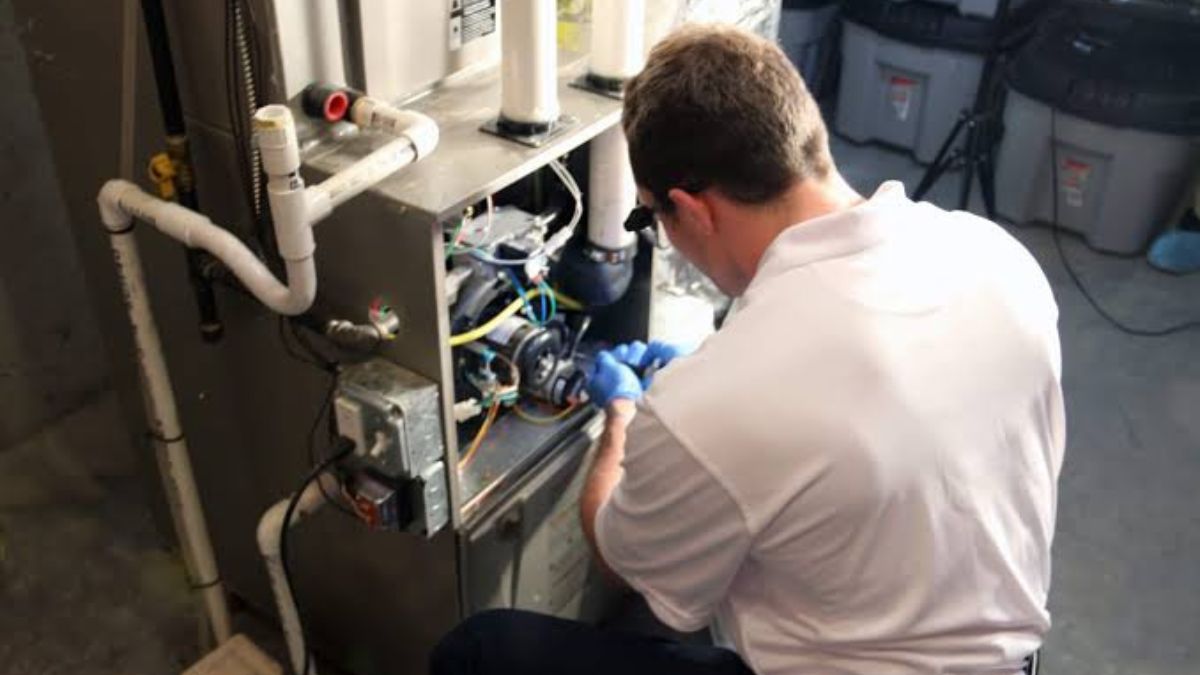
When harsh winters descend on New England, having a dependable heating system is a necessity for every homeowner. Comfort, safety, and energy efficiency are all at stake. For those facing an aging or unreliable furnace, furnace replacement in Boston, MA, is a priority to ensure your family’s well-being during the coldest months. J W HVAC/R Service and Repair specializes in providing top-quality furnace replacement in Boston and the surrounding areas. As a family-owned business founded in 2016, they are committed to customer service and technical expertise, setting them apart from competitors in the region. With many years of hands-on experience, the J W HVAC/R team has built a strong reputation for trustworthiness and swift response to both routine and emergency heating needs. Their technicians are trained to maintain, repair, and replace various heating systems, making them a valuable partner for maintaining indoor comfort year-round. For homeowners looking to improve indoor safety, they also offer dryer vent cleaning services as part of their commitment to comprehensive home care. J W HVAC/R takes an education-first approach, empowering clients with accurate information and advice regarding HVAC system longevity and health. Their focus on building customer confidence is why they are a trusted option for prompt and honest service throughout Boston and the Greater Brockton area.
Why Choose J W HVAC/R Service and Repair for Your Furnace Replacement?
Choosing the right team for a furnace replacement project is crucial. J W HVAC/R Service and Repair stands out for its uncompromising dedication to client satisfaction. Each furnace and heating challenge is approached with careful evaluation and personalized solutions that protect your investment and comfort. Skilled technicians provide thorough system assessments, ensure compliance with local safety codes, and keep all installations up to strict industry standards. In addition to replacement and installation, the company guides clients with clear follow-up instructions, fostering trust well beyond the installation phase. Their unwavering professionalism is reflected in the many positive testimonials from satisfied customers who have benefited from their attentive support and expertise.
Understanding Furnace Replacement Costs in Boston
Furnace replacement is a major investment. In Boston, the average replacement cost is around $6,750, but prices typically range from $3,750 to $11,250, depending on factors such as system type, labor, home age, and installation complexity. Boston-area residents pay about 20 percent more than the statewide average in Massachusetts, a difference attributed to metropolitan costs and housing characteristics. Understanding these expenses helps homeowners plan for this important upgrade.
Signs It’s Time to Replace Your Furnace
Knowing when to replace your furnace can save you from unexpected breakdowns and costly emergency calls. Common warning signs include frequent repairs that offer only temporary relief, uneven heating that leaves cold spots in certain rooms, odd operational noises such as banging or rattling, and a noticeable spike in your monthly energy bills. Consulting a professional at the first sign of trouble can prevent more expensive repairs down the line. J W HVAC/R Service and Repair performs detailed inspections and honest assessments, helping homeowners make informed decisions on the best and most cost-effective solution for their unique situation.
The Furnace Replacement Process with J W HVAC/R Service and Repair
- Initial Consultation: An in-depth personal assessment of your existing furnace and evaluation of your household’s heating needs.
- Customized Recommendations: Technicians explain various replacement options tailored to your budget, energy preferences, and square footage.
- Professional Installation: Certified, experienced installers coordinate a seamless furnace replacement while ensuring home safety and system efficiency.
- Post-Installation Support: Guidance on proper usage, care, and scheduling of ongoing maintenance is provided to maximize your new system’s service life.
Energy Efficiency and Cost Savings
One of the most compelling reasons to upgrade to a new furnace is the immediate improvement in energy efficiency. Modern systems use less fuel to produce the same level of warmth, translating into lower monthly utility bills and a reduced carbon footprint. Many newer models are designed to meet or surpass Energy Star standards, providing homeowners with tangible savings over the lifespan of the furnace. This not only helps households save money but also aligns with broader sustainability objectives.
Customer Testimonials
Satisfied clients consistently praise the professionalism, technical skill, and responsiveness of J W HVAC/R Service and Repair. One homeowner shared, “Our heat went out this cold December morning, and Jerome came right at the top of his arrival window, worked quickly, and got our HVAC motor replaced. Very satisfied with the service and speed.” These genuine testimonials highlight the peace of mind and comfort that come from partnering with a team that puts the customer first.
Schedule Your Furnace Replacement Today
Taking a proactive approach to furnace replacement can prevent sudden breakdowns at the worst possible time. J W HVAC/R Service and Repair is ready to help you assess your system, provide expert recommendations, and deliver efficient installation so you can enjoy uninterrupted warmth all winter long. Schedule your consultation today and invest in your comfort for seasons to come.
Frequently Asked Questions
How long does a furnace replacement take?
The process typically takes 1 to 2 days, depending on factors such as home layout, additional ductwork, or safety considerations.
Are there financing options available for furnace replacement?
Yes. JW HVAC/R Service and Repair offers flexible financing options to help homeowners with varying budgets. These should be discussed with the team during your initial consultation.
What maintenance is required for a new furnace?
Routine maintenance includes annual professional inspections, regular filter changes, and keeping the area around the furnace clean and accessible for safety and efficiency.
Can I replace my furnace myself?
Furnace replacement is a complex procedure that requires licensed professionals for code compliance and safety. Homeowners are advised to work with experienced technicians such as those at J W HVAC/R Service and Repair.
How do I know which furnace is right for my home?
The ideal furnace depends on the size of your home, existing insulation, and specific heating preferences. J W HVAC/R Service and Repair conducts thorough assessments to guide you in selecting the system best suited to your needs.
Conclusion
Replacing an outdated furnace is a smart investment in your home’s comfort, safety, and energy efficiency. J W HVAC/R Service and Repair provides Boston homeowners with expert guidance, professional installation, and dependable customer support throughout the replacement process. By recognizing the signs of a failing furnace and upgrading to a modern, energy-efficient system, you can reduce utility costs, improve indoor comfort, and enjoy reliable heating during New England’s cold winters. With experienced technicians and a commitment to quality service, J W HVAC/R Service and Repair helps ensure your new furnace delivers lasting performance and peace of mind for years to come.
-

 GENERAL1 year ago
French Language Learning for Kids: A Joyful Path to Bilingual Brilliance
-

 Entertainment2 years ago
Exploring the World of NHentai: A Comprehensive Guide to nhentai.met
-

 Entertainment2 years ago
Enchantment & Excitement: Crafting Unforgettable Event Experiences
-

 topic2 months ago
How To Compare the True Cost of Golf Course Community Living in Palm Beach Gardens, Florida
-
 GENERAL2 years ago
Latest Trends in Men’s and Women’s Jackets for the Upcoming Season
-

 Fashion2 years ago
Best Shampoos and Treatments from OZ Hair and Beauty for Thinning Hair: Strengthen and Revitalize Your Strands
-

 Home3 months ago
How to Choose the Right Rancho Santa Fe Setting for Your 2026 Home Search
-

 GENERAL2 years ago
From Fan Art to Original Works: The Diversity of doujindesu Creations