
Home
A Guide to Estimating the Cost of a Home Insulation Project

Understanding Insulation Costs
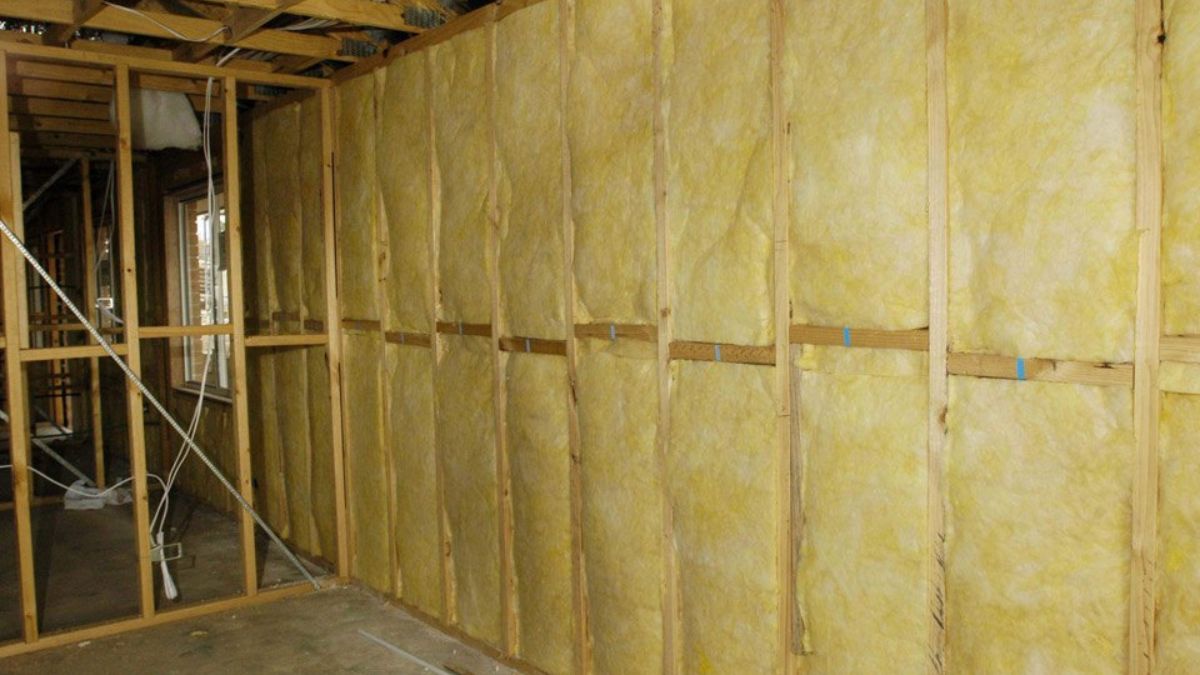
Estimating the cost of a home insulation project requires a multifaceted approach. While upfront material costs are critical, they are only one part of the equation. Proper insulation involves selecting the right type of material and considering labor, installation complexity, and your region’s climate. By considering these multiple aspects, homeowners can avoid unexpected expenses and make informed decisions that provide optimum comfort and energy efficiency.
Insulation types range from traditional fiberglass batt to advanced spray foam and reflective barriers. Each has its cost implications and suitability based on the area of the home being insulated and the climate. While cost estimates typically start with a price per square foot, it’s essential to factor in additional expenses that may arise during purchase and installation.
Choosing the Right Materials
The choice of insulation material is paramount to determining both cost and effectiveness. Fiberglass batts are often the least expensive option, but they may not provide the best insulation for high-humidity areas or places with extreme temperature fluctuations. Spray foam, while more costly, offers excellent sealing properties and higher R-values, making it ideal for walls and attics. Another option is cellulose, a recycled material that balances cost and eco-friendliness.
When considering which material to use, evaluating its thermal resistance or R-value is crucial, ensuring it aligns with your specific regional requirements. For instance, insulating in colder climates often demands higher R-values for maximum energy efficiency. Weighing these options will help homeowners select the most appropriate type of insulation that balances cost with performance.
Labor and Installation Costs
Labor costs can significantly inflate the total expense of an insulation project, especially if professional installation is necessary. While DIY can save labor costs, complex installations like spray foam require specialized equipment and expertise. Installing improper insulation can reduce effectiveness and even damage your home’s structure.
Therefore, evaluating potential labor costs is essential. Professional installers can ensure that your insulation is properly fitted and performing as expected, resulting in higher upfront costs but potential savings in the long run due to increased energy efficiency and minimized repairs. Additional projects, such as upgrading garage doors, might also be beneficial when hiring professionals, as they can often tackle multiple tasks simultaneously, providing a comprehensive improvement to your home’s energy efficiency.
Additional Factors to Consider
Several other factors can influence the total cost of insulating a house. The size and shape of your house, accessibility of the spaces to be insulated, and local climate considerations all play vital roles. Furthermore, residences with distinctive architectural elements, such as cathedral ceilings or asymmetrical wall forms, may have difficulties raising labor expenses and material consumption.
It is essential to factor in these considerations when estimating project costs. Consulting with home energy auditors or insulation professionals can provide insights into your project’s challenges, allowing for a more accurate budget estimation.
Long-term Benefits and Savings
While the immediate costs of upgrading your home’s insulation can appear daunting, the long-term savings and benefits often justify the investment. Well-installed insulation lessens the burden on your heating and cooling systems, reducing energy bills significantly. Over time, these savings can offset the initial outlay, making the investment highly cost-effective.
Similarly, enhanced insulation improves indoor air quality and a healthier living environment by preventing moisture buildup and reducing noise pollution. These benefits, combined with potential increases in property value, underscore the importance of viewing insulation not solely as an expense but as a vital investment in your home’s future.
Worries about losing a house or vehicle often stop people from exploring bankruptcy, even when debt has become unmanageable. The outcome is not the same for every household. Your property, loan balance, equity, state exemption rules, income, and the type of bankruptcy all affect what may happen next. Speaking with myaffordableattorney can help you review how these issues may apply to your own circumstances before you make a major financial decision. Bankruptcy can provide breathing room, but it is not a way to erase every obligation tied to property. A mortgage lender or auto lender generally has a security interest in the home or car. That means the lender may retain rights in the collateral even if your personal responsibility for a debt is discharged. Understanding the difference between secured debt, equity, and exemptions is essential.
What Bankruptcy Does Immediately
When a bankruptcy petition is filed, an automatic stay usually takes effect. This legal protection generally stops most collection activity against the person filing, including many lawsuits, wage garnishments, collection calls, foreclosure actions, and repossession attempts. The stay is important, but it may be temporary or limited in certain situations, especially for people with prior bankruptcy cases. The stay does not permanently solve a missed mortgage or car payment. A secured lender can ask the bankruptcy court for permission to continue foreclosure or repossession if payments are not being made or if the lender has another valid basis for relief. It is important to respond promptly to court notices and lender communications sent through the proper bankruptcy process.
Your Home In Bankruptcy
Equity Is Often The Starting Point
Home equity is generally the difference between the property’s current value and the amount owed on mortgages or other liens. For example, if a home is worth $300,000 and the total secured debt is $260,000, the apparent equity is $40,000 before considering sale costs or other factors. The amount of equity that may be protected depends largely on the exemption laws available to you. Many states let bankruptcy filers protect a certain amount of home equity through a homestead exemption. Some states require residents to use state exemptions, while others allow residents to choose between state and federal exemptions. Residency rules can also affect which exemptions apply. Because exemption rules are highly location-specific, a homeowner should not assume that a friend’s result in another state will apply to their case.
Chapter 7 And The Family Home
In a Chapter 7 case, a trustee reviews whether you own nonexempt property that could be sold to pay creditors. If an applicable exemption protects all of the equity in your home, or there is no meaningful equity after liens and allowed exemptions, you may be able to keep the property so long as you continue meeting mortgage obligations. However, protected equity does not eliminate a mortgage. If you want to retain the home, you generally must keep payments that come due after filing current, maintain required insurance, and comply with the loan documents. The Chapter 7 bankruptcy process recognizes that exemptions can protect certain property, but the available protections can depend on federal law and the law of the state where the debtor lives.
Chapter 13 And Catching Up On Mortgage Arrears
Chapter 13 may be an option for a homeowner with a regular income who has fallen behind on mortgage payments. Instead of immediately liquidating nonexempt property, Chapter 13 uses a court-approved repayment plan. In many cases, the plan can provide a way to pay mortgage arrears over time while the homeowner resumes regular monthly mortgage payments. This approach requires careful budgeting. Missing payments after filing can put the home at risk, even if the bankruptcy initially stopped a scheduled foreclosure. Under the Chapter 13 bankruptcy framework, individuals may use a repayment plan to address past-due home payments. However, they can still lose the home if the foreclosure sale was completed before filing or if required ongoing payments are not made.
Your Car In Bankruptcy
Owned Outright
If you own a vehicle free and clear, its value may be protected by a motor vehicle exemption or another applicable exemption. If the vehicle’s value exceeds the protected amount, a Chapter 7 trustee may examine whether selling it would produce a meaningful amount for unsecured creditors after costs and exemptions. In some cases, a filer may be able to keep the car by paying the nonexempt value, but that depends on the circumstances and local practice.
Financed Or Leased Vehicles
For a financed vehicle, the lender’s lien remains attached to the car. Keeping the vehicle usually means staying current on the loan, maintaining insurance, and following any applicable bankruptcy requirements. If payments are far behind or the vehicle is worth substantially less than the loan balance, surrendering it may be a practical choice for some filers. Surrender means returning the vehicle to the lender rather than keeping it. Chapter 13 can sometimes offer more flexibility for a car loan than Chapter 7 because the repayment plan may address arrears and, in qualifying circumstances, treat the lender’s secured claim based on the vehicle’s value. The exact treatment depends on when the loan was incurred, the purpose of the loan, the vehicle’s value, and other bankruptcy rules.
Important Decisions Before Filing
- Do not transfer a home or car to a relative to keep it away from creditors. Transfers made before bankruptcy can create serious legal issues.
- Gather current mortgage statements, auto loan statements, titles, insurance records, tax bills, and reliable property-value information.
- Identify every lien, including second mortgages, home equity loans, judgment liens, and title loans.
- Be realistic about what you can afford after filing, including mortgage payments, vehicle payments, insurance, taxes, fuel, maintenance, and repairs.
- Review whether you are current, behind, facing a scheduled foreclosure sale, or at risk of repossession.
Common Misunderstandings
“Bankruptcy Wipes Out My Mortgage”
Bankruptcy may discharge personal liability for certain debts, but it does not automatically remove a valid mortgage lien from the home. If you keep the property, the lender’s secured interest remains important.
“I Can Keep Any Car I Want”
Bankruptcy protections are not unlimited. The vehicle’s value, loan balance, exemption amount, payment status, and the chapter filed all matter.
“Filing Stops Foreclosure Forever”
Filing can pause a foreclosure, but it does not guarantee a permanent result. The homeowner must still address the mortgage debt through payments, a repayment plan, a loan modification, sale, surrender, or another lawful resolution.
Conclusion
Bankruptcy can provide protections that may help a homeowner or vehicle owner address certain collection actions. Still, the extent of that protection depends on the specific circumstances and should be reviewed before filing. A person with little unprotected equity and affordable ongoing payments may have a very different path from someone facing a completed foreclosure sale, substantial mortgage arrears, or an unaffordable auto loan. The type of bankruptcy, the timing of the filing, the value and ownership of the property, available exemptions, and the terms of the underlying loan can all affect the available options. It is also important to understand that bankruptcy does not automatically eliminate liens or allow someone to keep secured property without meeting applicable requirements. Careful planning can help you understand the potential benefits and limitations, identify important deadlines, protect eligible property when possible, and avoid decisions that could create additional financial or legal problems. Reviewing your income, expenses, debts, assets, and current notices with qualified legal guidance can provide a clearer basis for deciding what steps to take next.
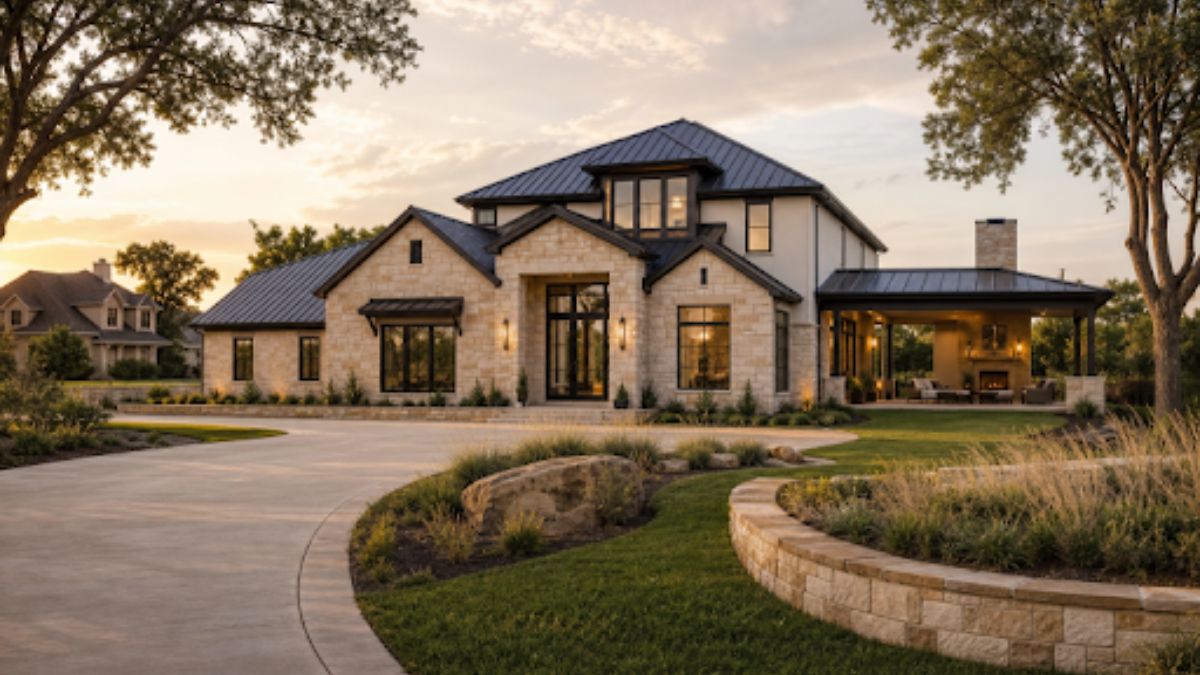
Planning a custom home in Dallas-Fort Worth begins long before choosing cabinet colors or rooflines. North Texas households often balance busy workweeks, long hot summers, entertaining, pets, changing family needs, and time spent outdoors. Working with experienced home builders in DFW can help turn those real-life priorities into a plan that feels practical from day one and remains useful for years. The best custom homes are not simply larger or more heavily upgraded. They are designed around the people who live in them. When every major decision is measured against daily routines, comfort, maintenance, and future flexibility, it becomes easier to choose features that add lasting value rather than temporary excitement.
Start With Daily Life, Not Room Counts
Before reviewing plans, walk through an ordinary weekday in detail. Consider where people get ready in the morning, unload groceries, leave shoes and bags, prepare meals, work, relax, do laundry, and store seasonal items. A family that cooks frequently may benefit more from a pantry near the kitchen, generous prep space, and easy access to the garage than from a formal dining room used only a few times each year. Make separate lists for must-haves and nice-to-haves. Must-haves solve a real problem, such as a quiet office for remote work, a mudroom for sports equipment, or a first-floor bedroom for guests. Nice-to-haves can still be enjoyable, but they should not force cuts to essentials such as storage, site drainage, mechanical systems, or quality windows.
Set the Budget Before the Wish List Grows
A construction budget should cover more than the house itself. In DFW, lot conditions, grading, drainage, utility connections, permits, driveways, landscaping, fencing, appliances, lighting, and window coverings can all affect the overall investment. Keep a contingency reserve for selections that change, unexpected site conditions, or items discovered after plans are priced.
Budget Categories to Review
- Land, surveys, site preparation, and drainage work
- Architecture, engineering, permits, and inspections
- Construction, finishes, appliances, and fixtures
- Outdoor features, including patios, irrigation, fencing, and landscaping
- Furniture, window treatments, technology, and a contingency reserve
Build a Purposeful Floor Plan
A good floor plan supports easy movement without turning every area into one large open room. Keep bedrooms away from noisy gathering spaces when possible, place a guest bathroom where visitors can find it without crossing private rooms, and make the path from garage to kitchen straightforward. Review furniture layouts early, because a room that appears spacious on paper can feel crowded once beds, sofas, tables, and walking paths are added.
Useful walls matter as much as open views. They provide places for art, storage, media, and furniture. Window placement also deserves careful attention in Texas. Aim for daylight and views while considering privacy, glare, heat gain, and the afternoon sun’s reach on each side of the house.
Create Flexible and Future-Ready Spaces
Homes often need to serve different purposes over time. A study can become a guest room, a playroom can become a media room, and a bonus room can support hobbies, exercise, or visiting family. Planning for these changes early is usually simpler than remodeling later. Consider extra outlets, data connections, layered lighting, useful storage, and access to plumbing or mechanical systems where future changes may be likely. A first-floor room with a nearby full bath can make a home more welcoming for overnight guests and more adaptable if mobility needs change. Wider doorways, minimal level changes in main living areas, and a practical shower layout can also support long-term use without making the home feel institutional.
Design for Comfort, Light, and Energy Efficiency
Comfort comes from the building systems behind the finishes. In the DFW climate, thoughtful insulation, careful air sealing, right-sized heating and cooling equipment, and exterior shading can help manage summer heat and reduce uneven temperatures. Reducing air leaks and improving home efficiency can improve comfort while limiting unnecessary energy use. Ask early about the full building envelope, including roof, walls, windows, doors, foundation, and penetrations for ducts and wiring. Fresh-air ventilation and filtration also deserve discussion, particularly in a tightly built home. Source control, ventilation, and filtration can help reduce exposure to indoor pollutants.
Choose Materials That Can Handle Daily Life
Select finishes based on how they will be used, cleaned, repaired, and exposed to sunlight, water, pets, and foot traffic. A striking surface may be less practical in a busy kitchen or entry if it shows every scratch, water spot, or bit of dust. Consider whether damaged sections can be replaced and whether the product is suited to the heat, storms, and shifting weather common in North Texas. Timeless design does not have to be plain. Warm wood, textured stone, detailed millwork, layered lighting, and thoughtful color can create personality. The goal is to put highly personal choices where they can be updated more easily, while keeping permanent selections durable and appropriate for the architecture.
Plan Outdoor Living as Part of the Home
A covered patio, porch, courtyard, or poolside seating area can become a valuable extension of indoor living when it is easy to reach and comfortable to use. Place outdoor dining near the kitchen, add shade where late-day sun is strongest, and include lighting for safe evening use. Plan storage for cushions, grills, garden tools, toys, and pool supplies so those items do not migrate into the garage or living room.
Use Design Trends Carefully
Current ideas can offer inspiration, including warmer palettes, natural textures, curved details, wellness-focused rooms, and more intentional use of square footage. Still, every trend should pass a practical test: Does it improve everyday life? Does it fit the home’s architecture? Will maintenance remain reasonable? Bold choices are often safer in paint, hardware, rugs, lighting, and furniture than in permanent tile patterns, built-ins, or structural features.
Follow a Clear Planning Process
- Record routines, frustrations, priorities, and future goals.
- Study the lot for access, slope, drainage, views, sun exposure, and utilities.
- Set a complete budget with room for contingencies.
- Create a room list, then test circulation, furniture, storage, and privacy.
- Choose performance goals for comfort, efficiency, durability, and indoor air quality.
- Finalize finishes and document all selections before construction begins.
Avoid Common Custom Home Mistakes
Common problems include adding square footage without a clear purpose, delaying storage decisions, underestimating site and landscaping costs, and choosing materials based only on appearance. Another costly mistake is changing plans without reviewing the impact on both the budget and the schedule. A well-planned DFW custom home should feel personal, efficient, comfortable, and ready for real life, not just ready for a photograph.
Conclusion
Planning a custom home in Dallas-Fort Worth is most successful when major decisions are guided by everyday life rather than short-term design trends. From the beginning, families should consider their routines, privacy, storage, traffic flow, budget, future needs, and the realities of the North Texas climate. A thoughtful floor plan can make daily activities easier, while flexible spaces and practical accessibility features can help the home adapt as household needs change. Building performance also deserves early attention, with insulation, air sealing, ventilation, shading, efficient mechanical systems, and durable materials contributing to year-round comfort and easier maintenance. Outdoor living areas should be planned as functional extensions of the home, not afterthoughts. By working with experienced DFW home builders, setting realistic priorities, and using design trends selectively, homeowners can create a custom home that feels personal while remaining comfortable, durable, efficient, and practical for many years to come.

A successful paint project starts well before the first brush stroke. Whether you are refreshing a single bedroom or planning a full exterior update, preparation determines how smooth, durable, and professional the finished surface will look. Homeowners who need local guidance may also benefit from speaking with a residential painter Louisville homeowners can consult for project-specific advice.
Paint can dramatically improve a space, but it cannot permanently hide moisture damage, loose coatings, cracks, stains, or poorly repaired surfaces. Treat the work as you would a canvas: the cleaner, drier, and more stable the surface is before painting, the better the final result is likely to be.
Why Preparation Comes First
Poor preparation commonly leads to peeling, bubbling, flashing, uneven sheen, and stains that reappear through a new coat. It can also turn an affordable update into a more expensive repair. The right approach depends on the material being painted, the building’s age, the condition of the existing coating, and, for outdoor work, local weather patterns.
Inspect Before Planning
Inspect every area before choosing colors or buying supplies. Walk through each room, then examine exterior walls one side at a time. Take photos and create a simple list by room or exterior elevation. This makes the project scope clearer and helps homeowners compare estimates fairly.
Questions to Ask During an Inspection
- Is the surface clean, dry, solid, and firmly attached?
- Are there cracks, nail holes, dents, stains, soft spots, or damaged trim?
- Is the existing paint chalking, flaking, blistering, or peeling?
- Are there signs of a leak, mildew, rot, or poor drainage?
- Which floors, furnishings, landscaping, fixtures, and vehicles need protection?
Prepare Interior Surfaces
Indoor walls and trim collect dust, hand oils, cooking residue, smoke particles, and residue from household cleaners. A wall may look clean but still have enough surface contamination to interfere with adhesion. Start by moving furniture, protecting floors and fixtures, and removing outlet covers only after turning off power where appropriate.
Interior Preparation Steps
- Wash surfaces with a suitable mild cleaner, then allow them to dry.
- Fill nail holes, dents, and small cracks with the appropriate patching material.
- Sand repaired areas and rough paint edges until they blend into the surrounding surface.
- Remove sanding dust thoroughly with a vacuum, microfiber cloth, or other suitable method.
- Prime stains, bare drywall, bare wood, repairs, and major color changes as needed.
Ventilation improves comfort and can support drying, but avoid placing fans where they will blow dust directly onto wet paint. In bathrooms, kitchens, and basements, address persistent moisture or ventilation problems before repainting.
Prepare Exterior Surfaces
Exterior coatings must withstand sunlight, wind, rain, temperature swings, dirt, insects, and seasonal moisture. Cleaning is important, but a quick rinse alone will not solve loose paint, failed caulk, rotted wood, or masonry damage. Fix those underlying issues before applying a new finish.
Exterior Preparation Checklist
- Remove dirt, mildew, cobwebs, and loose debris.
- Scrape or brush loose paint carefully, then feather rough edges with sanding.
- Repair damaged wood, siding, masonry, trim, and failed joints.
- Apply paintable caulk to appropriate gaps around windows, doors, and trim.
- Protect plants, walkways, outdoor furniture, fixtures, and nearby vehicles.
- Allow every washed surface to dry completely before priming or painting.
Pressure washing can be useful, but excessive pressure may damage older wood, mortar, siding, or window seals. Match the cleaning method and pressure level to the material, rather than assuming that stronger cleaning is better.
Check Older-Home Safety Concerns
Homes built before 1978 require special care because disturbing older coatings can create lead-containing dust. Before sanding, scraping, cutting, or replacing painted components, review the EPA’s consumer guidance for renovation, repair, and painting. Keep children, pets, and vulnerable adults away from the work area, use appropriate containment and cleanup methods, and avoid unsafe dust-producing practices.
For paid work in pre-1978 housing or child-occupied facilities, ask the contractor about applicable training, certification, containment, and cleanup procedures. The EPA contractor guidance explains when lead-safe renovation requirements may apply. This is not a reason to panic, but it is a strong reason to plan carefully before disturbing old paint.
Choose the Right Paint and Finish
Choose paint based on surface and use. High-traffic areas like hallways, kitchens, bathrooms, porches, and outside walls need products resistant to cleaning, moisture, or weather. Lower-sheen finishes hide small imperfections; washable finishes are good for high-touch spots. Test colors on different walls at various times of day; lighting affects appearance. Expect primer or extra coats for stains, dark colors, porous areas, or major color changes.
Plan Around Weather and Drying Conditions
Exterior work should be scheduled around the full forecast, not only the first painting day. Rain, dew, high humidity, wind, direct sun, and cool temperatures can affect application, drying, and cure time. A surface also needs time to dry after washing or after being exposed to moisture overnight.
- Avoid painting when rain or heavy dew may reach the coating before it cures.
- Watch for strong winds that can carry dust and debris onto wet paint.
- Work in shade when direct sun makes the surface excessively hot.
- Allow extra drying time in cool or humid conditions.
Always follow the product label for acceptable temperature ranges, recoat times, and moisture conditions. Those instructions take priority over general rules of thumb.
Know When to Hire Professional Help
Professional assistance can be worthwhile for tall or difficult-to-reach areas, major repairs, commercial spaces, tight deadlines, or projects requiring lead-safe practices. Before hiring, request a written estimate that identifies preparation work, products, repair allowances, protection methods, cleanup expectations, and how weather delays will be handled.
Create a Simple Maintenance Plan
A new paint finish lasts longer when small problems are addressed early. Inspect painted surfaces twice a year, especially around trim, caulk joints, gutters, downspouts, and high-touch interior areas. Clean marks gently with a finish-appropriate cleaner, touch up small chips before bare material stays exposed, and keep a record of paint colors, sheens, and product names for future repairs.
Final Checklist
- Inspect surfaces and identify moisture issues before purchasing paint.
- Complete repairs, cleaning, sanding, caulking, and priming first.
- Protect floors, furniture, landscaping, fixtures, and nearby surfaces.
- Choose paint products and finishes suited to the surface and environment.
- Follow label instructions and plan exterior work around realistic weather conditions.
- Use lead-safe planning when working on older painted surfaces.
- Schedule regular inspections and prompt touch-ups after the project is complete.
A lasting paint project is planned long before the first coat goes on. Careful preparation, safe work habits, suitable materials, and routine maintenance can help a home or property look better while reducing unnecessary rework.
-

 GENERAL1 year ago
French Language Learning for Kids: A Joyful Path to Bilingual Brilliance
-

 Entertainment1 year ago
Exploring the World of NHentai: A Comprehensive Guide to nhentai.met
-

 Entertainment1 year ago
Enchantment & Excitement: Crafting Unforgettable Event Experiences
-

 Fashion1 year ago
Best Shampoos and Treatments from OZ Hair and Beauty for Thinning Hair: Strengthen and Revitalize Your Strands
-

 Home4 weeks ago
How to Choose the Right Rancho Santa Fe Setting for Your 2026 Home Search
-

 GENERAL2 years ago
Latest Trends in Men’s and Women’s Jackets for the Upcoming Season
-

 GENERAL2 years ago
From Fan Art to Original Works: The Diversity of doujindesu Creations
-

 GENERAL1 year ago
England Business Visa Requirements for American and International Citizens in 2025: A Guide for Entrepreneurs