
Home
The Future of Firefighter Training: Innovations and Trends


Introduction to Firefighter Training
Firefighting is a demanding and essential profession that requires individuals to be physically fit, mentally sharp, and equipped with a broad skill set. Training for this career involves a combination of classroom instruction, practical exercises, and real-world experience. Aspiring firefighters learn to handle emergencies, including fires, rescues, hazardous materials, and medical emergencies. The training emphasizes teamwork, communication, and safety procedures for effective crisis responses.
In addition to basic skills, specialized firefighter certification is often required. For example, obtaining firefighter certification Texas helps individuals meet state-specific standards, ensuring they are adequately trained to respond to the unique challenges of firefighting. This certification enhances career opportunities and maintains the highest safety and operational standards.
Technological Advancements in Training
Introducing groundbreaking technologies into firefighter training regimens has fundamentally altered how skills are taught and learned. Drones, for instance, now provide aerial reconnaissance capabilities, allowing trainee firefighters to get a bird’s-eye view of fire landscapes. This assists in honing skills in strategizing and executing firefighting plans from ground operations to aerial support.
Additionally, training environments have benefited from fire simulation software that can mimic various scenarios. This technology is not just about experiencing fire situations but dynamically adjusting to the trainee’s actions and offering real-time feedback and alternative strategies.
Virtual Reality: A Game-Changer
One of the most transformative technologies in firefighter training is Virtual Reality (VR). By providing immersive simulations, VR offers invaluable opportunities for experiential learning. Firefighters can practice in realistic environments, simulating complex scenarios without real hazards. For example, they can navigate through a zero-visibility room, experiencing the disorientation caused by smoke without facing any danger.
Moreover, VR trains firefighters in crucial soft skills, including communication and leadership under pressure, making it a comprehensive training tool.
The Role of Artificial Intelligence
Artificial Intelligence (AI) transforms firefighting by offering predictive analytics and customized training programs. AI tools can forecast the spread of fires by considering factors such as wind patterns, building materials, and the time of day. This information allows firefighters to create strategic response plans. Additionally, AI assists in personalizing training programs for individual firefighters by analyzing their performance data, identifying areas for improvement, and providing tailored feedback. This approach ensures that training meets the unique needs of each firefighter, resulting in a more personalized experience.
Emphasis on Health and Safety
A renewed focus on firefighters’ health and safety has taken center stage in training programs. The intense physical demands of firefighting have always necessitated rigorous physical training, but leadership in the field is now increasingly aware of the intangible threats to mental health. Programs focusing on stress management, resilience, and mental wellness are becoming commonplace, ensuring firefighters are not just physically prepared but mentally resilient as well.
Moreover, there are growing initiatives addressing firefighter mental health, fostering a supportive environment where firefighters can seek help and develop coping mechanisms. This holistic approach acknowledges that a firefighter’s strength lies in their muscles and mindset.
Continuous Learning and Development
In firefighting, lifelong learning is not a choice but a necessity. Continuous education is essential, given the rapid pace of technological advancement and evolving fire dynamics. Firefighters must be adept at the latest equipment and methodologies and aware of emerging threats.
Development beyond initial training is crucial as it allows for gaining advanced skills, such as hazmat operations, technical rescues, or leadership roles, which are increasingly in demand. This continuous development ensures that firefighters are adequately prepared to tackle emergencies, fostering an adaptable and skilled workforce.
Environmental Considerations in Training
As climate change and other environmental challenges grow more severe, firefighting training programs have evolved to meet these issues. Emphasis is now on sustainable training practices that minimize environmental impact, such as using digital simulations rather than live fire exercises, where feasible to reduce emissions and resource use.
Training responses to new environmental challenges like wildfires require revisions to existing techniques and strategies. This often involves developing new equipment and practices and equipping firefighters with more frequent and intense fire events worldwide.

A low-maintenance native garden begins with a realistic plan, not a shopping trip. Raleigh properties can contain sunny slopes, compacted clay, deep shade, wet corners, and mature tree roots within the same yard. Thoughtful landscape design starts by identifying those conditions so that every plant has a better chance of establishing and thriving.
Why Native Gardens Fit Raleigh Yards
Plants adapted to North Carolina conditions can support birds, pollinators, and other wildlife while often needing less supplemental water and fertilizer once their roots are established. The City of Raleigh’s native plant guide helps homeowners compare plants by exposure, water needs, and wildlife value. Native does not mean maintenance-free, however. New plantings need watering, mulch, and weed control during their first growing seasons. A native garden also need not appear unstructured. Repeating a few reliable plants, keeping edges crisp, and adding a simple path can make a naturalistic planting feel intentional. Grouping plants in drifts rather than placing single specimens throughout a bed creates a calmer, more polished residential appearance.
Start With a Simple Site Check
Observe the yard for several days, and ideally after a substantial rain, before finalizing a plant list. Note where direct sun lasts six or more hours, where afternoon heat is strongest, and where shade deepens as trees leaf out. Also identify low spots, dry areas beneath tree canopies, compacted soil, steep grades, utilities, roots, and views worth framing or screening. A soil test can reveal pH and nutrient issues before money is spent on unnecessary amendments.
Build a Plant Palette by Garden Layer
Well-organized landscape design services often begin with layers rather than a long, disconnected list of plants. Each layer has a different job, from providing shade and privacy to covering bare soil and adding seasonal interest.
Upper Layer
Shade trees and smaller understory trees establish the garden’s long-term structure. Their placement influences summer cooling, privacy, views, root competition, and the amount of light reaching the plants below. Consider mature canopy width and avoid placing trees where future branches will crowd a roof, drive, or utility line.
Middle Layer
Shrubs create form throughout the year and can provide screening, berries, nesting cover, or winter texture. Check mature dimensions before planting near foundations, windows, walkways, or patios. A shrub that fits at installation can become a recurring pruning task if it was placed with too little room.
Lower Layer
Perennials, sedges, grasses, ferns, and ground covers connect the larger elements of the garden. They help cover exposed soil, soften hard edges, and slow runoff. The NC State Extension guidance on matching native plants to site conditions is a useful reminder that light, moisture, and soil matter as much as flowers or foliage.
Plan for Water and Drainage
Water should be part of the design rather than a problem hidden with extra mulch or frequent watering. Put moisture-tolerant plants in naturally damp areas and reserve dry, sunny slopes for plants that handle fast drainage. Keep downspouts from scouring planting beds, use ground covers and roots to reduce erosion, and consider a rain garden only where runoff naturally collects and can safely soak in away from the foundation. For example, a Raleigh yard might have a wet low point near a downspout and a dry slope beside a driveway. Using the same plant palette in both places often leads to weak growth in one area and unnecessary watering in the other. Separate zones make care more efficient.
Replace Lawn in Manageable Stages
Removing all turf at once can be expensive and difficult to maintain. Start with an area where grass already struggles, such as a shaded strip, a steep bank, a wet corner, or a thin patch beneath trees. Define the new bed with a clear edge, suppress turf without cutting through valuable roots, and install a modest group of plants that share the same needs. Monitor weeds, watering, and spacing for a season before expanding. Lawn still serves a purpose where children play, pets run, or an open gathering space is useful. The goal is not to eliminate every blade of grass. It is to replace the least functional, highest-maintenance areas with planting beds that better suit the site.
Set Realistic Maintenance Goals
Low-maintenance means less repetitive work after establishment, not no work at all, water deeply during dry periods, especially in the first year. Refresh mulch without piling it against trunks, remove invasive plants early, and prune shrubs for health and clearance rather than constant shaping. Leaving some seed heads and leaf litter through winter can provide habitat, though leaves should be kept off lawns, paths, and storm drains.
A Simple Seasonal Checklist
- Spring: Remove weeds, check mulch depth, and replace plants that did not survive winter.
- Summer: Water new plants deeply, inspect for stress, and keep invasive growth from spreading.
- Fall: Add plants when the weather is cooler, divide crowded perennials, and clear blocked drainage areas.
- Winter: Review the garden’s structure, prune damaged branches, and leave beneficial plant debris where appropriate.
Common Planning Mistakes to Avoid
- Planting before checking mature height and width.
- Using sun plants in deep shade or moisture-loving plants on dry banks.
- Assuming all native plants tolerate drought.
- Ignoring compacted soil and existing tree roots.
- Adding too many species to a small bed.
- Selecting plants only for flowers instead of year-round function.
- Expecting young plants to create an instant full landscape.
A Simple Garden Planning Process
- List goals such as privacy, pollinator habitat, shade, seasonal color, or reduced mowing.
- Map sun, shade, wet spots, slopes, utilities, and existing trees.
- Divide the yard into zones with similar growing conditions.
- Choose a short, repeatable plant list for each zone.
- Add paths and edges that make beds easy to reach and maintain.
- Install in phases, beginning with the most troublesome lawn area.
- Review results each season and adjust watering, spacing, or plant choices as needed.
Frequently Asked Questions
Are native plants maintenance-free?
No. They still need proper placement, early watering, weed control, and occasional thinning or pruning. Their maintenance needs often decline as they become established in suitable conditions.
Can a native garden look formal?
Yes. Defined borders, symmetrical bed shapes, repeated plant groupings, and orderly paths can create a formal look while using plants suited to local conditions.
How long does a new garden take to fill in?
Timing depends on plant size, weather, soil, and watering. Gardens commonly look sparse at first, so space plants according to their mature size rather than overcrowding them for immediate fullness.
What is the best first area to convert?
Choose the place that generates the most work or performs the worst. A wet corner, a difficult slope, a deep-shade lawn, or a neglected foundation bed can make a practical first project.
Final Thoughts
A successful Raleigh native garden starts with careful observation and a realistic understanding of the property. When plants match the available light, moisture, soil conditions, drainage, and space, the garden becomes easier to maintain and more beneficial to people and wildlife. Choosing locally appropriate native species can also create habitat for pollinators and other beneficial creatures while reducing the need for intensive watering or constant intervention. A modest plan, installed in stages and refined over time, allows homeowners to see what works before expanding the garden. Preparing the soil, grouping plants according to their needs, and allowing enough room for mature growth can prevent common maintenance problems later. With thoughtful plant selection and consistent but manageable care, a Raleigh native garden can become a resilient outdoor space without turning every weekend into a maintenance project.
Worries about losing a house or vehicle often stop people from exploring bankruptcy, even when debt has become unmanageable. The outcome is not the same for every household. Your property, loan balance, equity, state exemption rules, income, and the type of bankruptcy all affect what may happen next. Speaking with myaffordableattorney can help you review how these issues may apply to your own circumstances before you make a major financial decision. Bankruptcy can provide breathing room, but it is not a way to erase every obligation tied to property. A mortgage lender or auto lender generally has a security interest in the home or car. That means the lender may retain rights in the collateral even if your personal responsibility for a debt is discharged. Understanding the difference between secured debt, equity, and exemptions is essential.
What Bankruptcy Does Immediately
When a bankruptcy petition is filed, an automatic stay usually takes effect. This legal protection generally stops most collection activity against the person filing, including many lawsuits, wage garnishments, collection calls, foreclosure actions, and repossession attempts. The stay is important, but it may be temporary or limited in certain situations, especially for people with prior bankruptcy cases. The stay does not permanently solve a missed mortgage or car payment. A secured lender can ask the bankruptcy court for permission to continue foreclosure or repossession if payments are not being made or if the lender has another valid basis for relief. It is important to respond promptly to court notices and lender communications sent through the proper bankruptcy process.
Your Home In Bankruptcy
Equity Is Often The Starting Point
Home equity is generally the difference between the property’s current value and the amount owed on mortgages or other liens. For example, if a home is worth $300,000 and the total secured debt is $260,000, the apparent equity is $40,000 before considering sale costs or other factors. The amount of equity that may be protected depends largely on the exemption laws available to you. Many states let bankruptcy filers protect a certain amount of home equity through a homestead exemption. Some states require residents to use state exemptions, while others allow residents to choose between state and federal exemptions. Residency rules can also affect which exemptions apply. Because exemption rules are highly location-specific, a homeowner should not assume that a friend’s result in another state will apply to their case.
Chapter 7 And The Family Home
In a Chapter 7 case, a trustee reviews whether you own nonexempt property that could be sold to pay creditors. If an applicable exemption protects all of the equity in your home, or there is no meaningful equity after liens and allowed exemptions, you may be able to keep the property so long as you continue meeting mortgage obligations. However, protected equity does not eliminate a mortgage. If you want to retain the home, you generally must keep payments that come due after filing current, maintain required insurance, and comply with the loan documents. The Chapter 7 bankruptcy process recognizes that exemptions can protect certain property, but the available protections can depend on federal law and the law of the state where the debtor lives.
Chapter 13 And Catching Up On Mortgage Arrears
Chapter 13 may be an option for a homeowner with a regular income who has fallen behind on mortgage payments. Instead of immediately liquidating nonexempt property, Chapter 13 uses a court-approved repayment plan. In many cases, the plan can provide a way to pay mortgage arrears over time while the homeowner resumes regular monthly mortgage payments. This approach requires careful budgeting. Missing payments after filing can put the home at risk, even if the bankruptcy initially stopped a scheduled foreclosure. Under the Chapter 13 bankruptcy framework, individuals may use a repayment plan to address past-due home payments. However, they can still lose the home if the foreclosure sale was completed before filing or if required ongoing payments are not made.
Your Car In Bankruptcy
Owned Outright
If you own a vehicle free and clear, its value may be protected by a motor vehicle exemption or another applicable exemption. If the vehicle’s value exceeds the protected amount, a Chapter 7 trustee may examine whether selling it would produce a meaningful amount for unsecured creditors after costs and exemptions. In some cases, a filer may be able to keep the car by paying the nonexempt value, but that depends on the circumstances and local practice.
Financed Or Leased Vehicles
For a financed vehicle, the lender’s lien remains attached to the car. Keeping the vehicle usually means staying current on the loan, maintaining insurance, and following any applicable bankruptcy requirements. If payments are far behind or the vehicle is worth substantially less than the loan balance, surrendering it may be a practical choice for some filers. Surrender means returning the vehicle to the lender rather than keeping it. Chapter 13 can sometimes offer more flexibility for a car loan than Chapter 7 because the repayment plan may address arrears and, in qualifying circumstances, treat the lender’s secured claim based on the vehicle’s value. The exact treatment depends on when the loan was incurred, the purpose of the loan, the vehicle’s value, and other bankruptcy rules.
Important Decisions Before Filing
- Do not transfer a home or car to a relative to keep it away from creditors. Transfers made before bankruptcy can create serious legal issues.
- Gather current mortgage statements, auto loan statements, titles, insurance records, tax bills, and reliable property-value information.
- Identify every lien, including second mortgages, home equity loans, judgment liens, and title loans.
- Be realistic about what you can afford after filing, including mortgage payments, vehicle payments, insurance, taxes, fuel, maintenance, and repairs.
- Review whether you are current, behind, facing a scheduled foreclosure sale, or at risk of repossession.
Common Misunderstandings
“Bankruptcy Wipes Out My Mortgage”
Bankruptcy may discharge personal liability for certain debts, but it does not automatically remove a valid mortgage lien from the home. If you keep the property, the lender’s secured interest remains important.
“I Can Keep Any Car I Want”
Bankruptcy protections are not unlimited. The vehicle’s value, loan balance, exemption amount, payment status, and the chapter filed all matter.
“Filing Stops Foreclosure Forever”
Filing can pause a foreclosure, but it does not guarantee a permanent result. The homeowner must still address the mortgage debt through payments, a repayment plan, a loan modification, sale, surrender, or another lawful resolution.
Conclusion
Bankruptcy can provide protections that may help a homeowner or vehicle owner address certain collection actions. Still, the extent of that protection depends on the specific circumstances and should be reviewed before filing. A person with little unprotected equity and affordable ongoing payments may have a very different path from someone facing a completed foreclosure sale, substantial mortgage arrears, or an unaffordable auto loan. The type of bankruptcy, the timing of the filing, the value and ownership of the property, available exemptions, and the terms of the underlying loan can all affect the available options. It is also important to understand that bankruptcy does not automatically eliminate liens or allow someone to keep secured property without meeting applicable requirements. Careful planning can help you understand the potential benefits and limitations, identify important deadlines, protect eligible property when possible, and avoid decisions that could create additional financial or legal problems. Reviewing your income, expenses, debts, assets, and current notices with qualified legal guidance can provide a clearer basis for deciding what steps to take next.
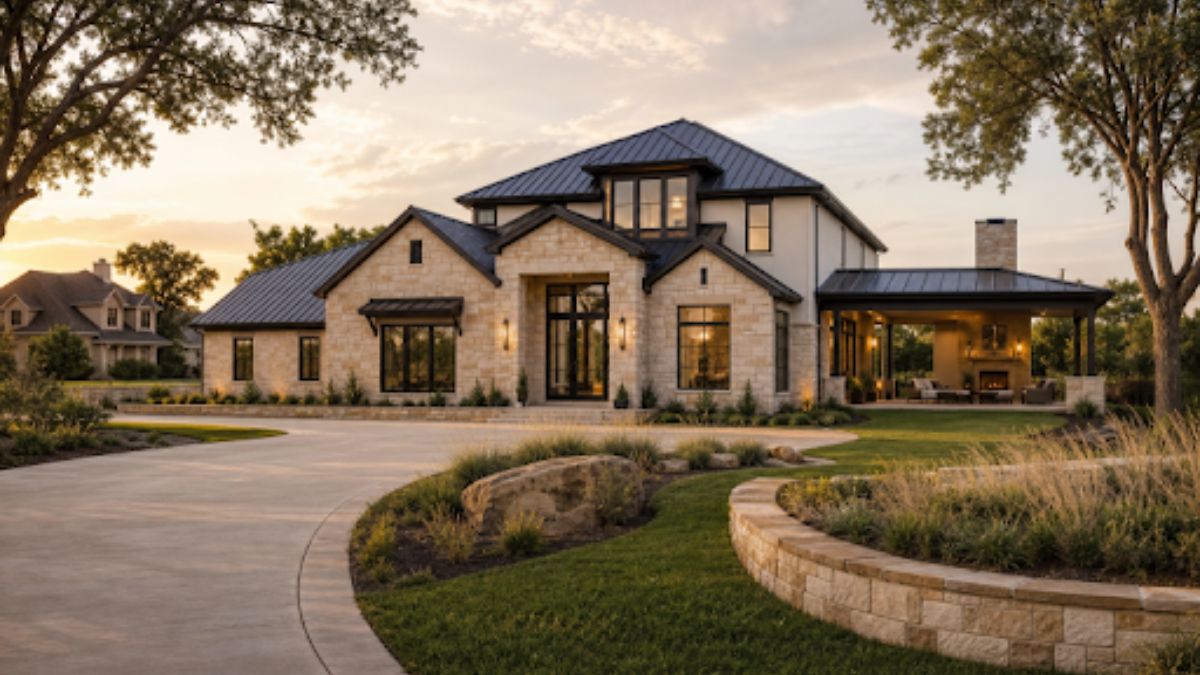
Planning a custom home in Dallas-Fort Worth begins long before choosing cabinet colors or rooflines. North Texas households often balance busy workweeks, long hot summers, entertaining, pets, changing family needs, and time spent outdoors. Working with experienced home builders in DFW can help turn those real-life priorities into a plan that feels practical from day one and remains useful for years. The best custom homes are not simply larger or more heavily upgraded. They are designed around the people who live in them. When every major decision is measured against daily routines, comfort, maintenance, and future flexibility, it becomes easier to choose features that add lasting value rather than temporary excitement.
Start With Daily Life, Not Room Counts
Before reviewing plans, walk through an ordinary weekday in detail. Consider where people get ready in the morning, unload groceries, leave shoes and bags, prepare meals, work, relax, do laundry, and store seasonal items. A family that cooks frequently may benefit more from a pantry near the kitchen, generous prep space, and easy access to the garage than from a formal dining room used only a few times each year. Make separate lists for must-haves and nice-to-haves. Must-haves solve a real problem, such as a quiet office for remote work, a mudroom for sports equipment, or a first-floor bedroom for guests. Nice-to-haves can still be enjoyable, but they should not force cuts to essentials such as storage, site drainage, mechanical systems, or quality windows.
Set the Budget Before the Wish List Grows
A construction budget should cover more than the house itself. In DFW, lot conditions, grading, drainage, utility connections, permits, driveways, landscaping, fencing, appliances, lighting, and window coverings can all affect the overall investment. Keep a contingency reserve for selections that change, unexpected site conditions, or items discovered after plans are priced.
Budget Categories to Review
- Land, surveys, site preparation, and drainage work
- Architecture, engineering, permits, and inspections
- Construction, finishes, appliances, and fixtures
- Outdoor features, including patios, irrigation, fencing, and landscaping
- Furniture, window treatments, technology, and a contingency reserve
Build a Purposeful Floor Plan
A good floor plan supports easy movement without turning every area into one large open room. Keep bedrooms away from noisy gathering spaces when possible, place a guest bathroom where visitors can find it without crossing private rooms, and make the path from garage to kitchen straightforward. Review furniture layouts early, because a room that appears spacious on paper can feel crowded once beds, sofas, tables, and walking paths are added.
Useful walls matter as much as open views. They provide places for art, storage, media, and furniture. Window placement also deserves careful attention in Texas. Aim for daylight and views while considering privacy, glare, heat gain, and the afternoon sun’s reach on each side of the house.
Create Flexible and Future-Ready Spaces
Homes often need to serve different purposes over time. A study can become a guest room, a playroom can become a media room, and a bonus room can support hobbies, exercise, or visiting family. Planning for these changes early is usually simpler than remodeling later. Consider extra outlets, data connections, layered lighting, useful storage, and access to plumbing or mechanical systems where future changes may be likely. A first-floor room with a nearby full bath can make a home more welcoming for overnight guests and more adaptable if mobility needs change. Wider doorways, minimal level changes in main living areas, and a practical shower layout can also support long-term use without making the home feel institutional.
Design for Comfort, Light, and Energy Efficiency
Comfort comes from the building systems behind the finishes. In the DFW climate, thoughtful insulation, careful air sealing, right-sized heating and cooling equipment, and exterior shading can help manage summer heat and reduce uneven temperatures. Reducing air leaks and improving home efficiency can improve comfort while limiting unnecessary energy use. Ask early about the full building envelope, including roof, walls, windows, doors, foundation, and penetrations for ducts and wiring. Fresh-air ventilation and filtration also deserve discussion, particularly in a tightly built home. Source control, ventilation, and filtration can help reduce exposure to indoor pollutants.
Choose Materials That Can Handle Daily Life
Select finishes based on how they will be used, cleaned, repaired, and exposed to sunlight, water, pets, and foot traffic. A striking surface may be less practical in a busy kitchen or entry if it shows every scratch, water spot, or bit of dust. Consider whether damaged sections can be replaced and whether the product is suited to the heat, storms, and shifting weather common in North Texas. Timeless design does not have to be plain. Warm wood, textured stone, detailed millwork, layered lighting, and thoughtful color can create personality. The goal is to put highly personal choices where they can be updated more easily, while keeping permanent selections durable and appropriate for the architecture.
Plan Outdoor Living as Part of the Home
A covered patio, porch, courtyard, or poolside seating area can become a valuable extension of indoor living when it is easy to reach and comfortable to use. Place outdoor dining near the kitchen, add shade where late-day sun is strongest, and include lighting for safe evening use. Plan storage for cushions, grills, garden tools, toys, and pool supplies so those items do not migrate into the garage or living room.
Use Design Trends Carefully
Current ideas can offer inspiration, including warmer palettes, natural textures, curved details, wellness-focused rooms, and more intentional use of square footage. Still, every trend should pass a practical test: Does it improve everyday life? Does it fit the home’s architecture? Will maintenance remain reasonable? Bold choices are often safer in paint, hardware, rugs, lighting, and furniture than in permanent tile patterns, built-ins, or structural features.
Follow a Clear Planning Process
- Record routines, frustrations, priorities, and future goals.
- Study the lot for access, slope, drainage, views, sun exposure, and utilities.
- Set a complete budget with room for contingencies.
- Create a room list, then test circulation, furniture, storage, and privacy.
- Choose performance goals for comfort, efficiency, durability, and indoor air quality.
- Finalize finishes and document all selections before construction begins.
Avoid Common Custom Home Mistakes
Common problems include adding square footage without a clear purpose, delaying storage decisions, underestimating site and landscaping costs, and choosing materials based only on appearance. Another costly mistake is changing plans without reviewing the impact on both the budget and the schedule. A well-planned DFW custom home should feel personal, efficient, comfortable, and ready for real life, not just ready for a photograph.
Conclusion
Planning a custom home in Dallas-Fort Worth is most successful when major decisions are guided by everyday life rather than short-term design trends. From the beginning, families should consider their routines, privacy, storage, traffic flow, budget, future needs, and the realities of the North Texas climate. A thoughtful floor plan can make daily activities easier, while flexible spaces and practical accessibility features can help the home adapt as household needs change. Building performance also deserves early attention, with insulation, air sealing, ventilation, shading, efficient mechanical systems, and durable materials contributing to year-round comfort and easier maintenance. Outdoor living areas should be planned as functional extensions of the home, not afterthoughts. By working with experienced DFW home builders, setting realistic priorities, and using design trends selectively, homeowners can create a custom home that feels personal while remaining comfortable, durable, efficient, and practical for many years to come.
-

 GENERAL1 year ago
French Language Learning for Kids: A Joyful Path to Bilingual Brilliance
-

 Entertainment1 year ago
Exploring the World of NHentai: A Comprehensive Guide to nhentai.met
-

 Entertainment1 year ago
Enchantment & Excitement: Crafting Unforgettable Event Experiences
-

 topic2 weeks ago
How To Compare the True Cost of Golf Course Community Living in Palm Beach Gardens, Florida
-

 GENERAL2 years ago
Latest Trends in Men’s and Women’s Jackets for the Upcoming Season
-

 Fashion2 years ago
Best Shampoos and Treatments from OZ Hair and Beauty for Thinning Hair: Strengthen and Revitalize Your Strands
-

 Home2 months ago
How to Choose the Right Rancho Santa Fe Setting for Your 2026 Home Search
-

 GENERAL2 years ago
From Fan Art to Original Works: The Diversity of doujindesu Creations