
TECHONOLOGY
How AI QA Reduces Human Error in Testing


Quality Assurance (QA) is a critically important aspect of software development. Artificial Intelligence (AI)-based QA automates testing, examines vast amounts of data, and predicts potential bugs. By all this, it accelerates the entire QA process and reduces human errors. AI in QA is now assisting teams in catching bugs and issues before users even have a chance to notice them. QA guarantees that the software is stable and secure for all users.
Manual testing is performed by human beings who execute the software line by line. Human beings get tired or distracted and hence make mistakes. These mistakes cause bugs or tests to be executed incorrectly.
QA powered by AI is changing the way we test software today. AI software detects errors faster and more efficiently than human beings. They do not get fatigued or miss steps. This article explains how AI in QA reduces human error and enhances testing.
Understanding Human Error in Manual Testing
Manual testing relies on human beings to thoroughly test software. Testers need to follow procedures and be detail-oriented. When tired or under time pressure, they can overlook key steps or commit simple errors.
Fatigue is the major cause of manual testing failures. Long working hours hinder the ability to focus, and concentration weakens with time. Testers tend to overlook bugs or give inaccurate results in the test reports.
Sometimes, the testers may overlook instructions or skip tests without even knowing it. This is because of distractions or if the test process is unclear. Different testers will also perform tasks differently, leading to inconsistency in results.
Such bugs can undermine the quality of the software and lengthen the release cycle. Bugs, once not detected, might end up with users, leading to crashes or negative ratings. When bugs are detected too late, more time and effort are used in correcting them, thereby lengthening the project.
Manual testing is also hard to reproduce in the same way each time. Each tester is able to do things slightly differently, so results are less repeatable. Human error is a massive risk with manual QA, and it can cost time, money, and the faith of users.
What is AI-based QA?
AI-based QA is applying AI methods and Machine Learning (ML) to assist in the testing of software. AI and QA methods get better at it over a period of time by learning from past data. AI will be able to execute several tests much quicker compared to humans, thus making it quicker and more efficient.
QA tools powered by AI go through mountains of test data within seconds. They identify patterns and catch defects that human testers may overlook, even in sophisticated software. AI-based QA tools are able to rerun tests as frequently as desired without tiring or making mistakes.
These tools also automate repetitive and mundane work, i.e., duplicating the same features time and again. This keeps the human testers available for larger issues involving out-of-the-box thinking. AI also suggests what tests need to be handled with care by going through past results.
With AI-based QA, testing is more precise, reliable, and rapid. The tools can easily keep up with software updates, including new updates or features. This helps teams detect and repair bugs before users find them, which makes software safer and more reliable. The new testing methods are smart and provide users with better software.
Key Challenges of Manual Testing
Manual testing is a critical part of software development, but it does have several severe challenges that can lead to quality and timing problems. The following are the key challenges of manual testing;
- Time and Resource Consuming
Manual testing entails testers testing manually each part of the software, which is resource-intensive and time-consuming. On large or complex projects, this will lead to long test cycles and high cost.
- Limited Test Coverage and Scalability
It is difficult to test all features or cases manually, especially as programs grow larger and more complex. Some functions may not be tested at all, resulting in coverage gaps and difficulties in scaling tests or changing projects.
- Human Inaccuracy and Inconsistency
Manual testing is prone to mistakes due to fatigue, neglect, or varying levels of expertise among testers. Different testers might interpret instructions differently, leading to inconsistent results and missed defects.
- Delays and Workflow Bottlenecks
These problems usually lead to software release delays and disrupt team processes. When bugs are found too late, teams must spend more time fixing them, slowing the project, and increasing expenses.
For modern software development, relying only on manual testing usually proves to be insufficient to ensure quality and speed.
How AI-based QA Minimizes Human Error?
AI-based QA helps in reducing errors in software testing by performing tasks that humans usually get wrong. QA backed by AI can run the same tests over and over without missing details or getting it wrong. This makes test results more accurate and avoids teams from facing problems because of missed details.
AI is not tired or bored like people. It is as high-performance ready every time as it is after any amount of testing. AI uses ML to search through vast amounts of data and identify patterns that may go unnoticed by human eyes. AI can spot things that are nearly but not quite correct and even predict where bugs will next appear, enabling teams to fix problems before they arise.
AI-based QA responds rapidly to software changes. When the code or design is modified, AI employs self-healing test scripts that automatically update. That is, fewer bugs are introduced during software updates, and less time for teams to fix broken tests.
Another way in which AI-based QA helps is by increasing test coverage. AI can write and run more test cases than human testers, testing more areas of the software. This wider testing reveals more bugs and makes the software safer for users.
QA tools powered with AI also produce clear reports that show where things went wrong. The reports allow developers to easily spot and fix problems and know where the software needs to be improved. AI never takes the place of testers but allows them to focus on hard or innovative problems, while the routine, monotonous tasks are handled by AI.
This collaboration between human beings and AI produces higher-quality and safer software. AI-powered QA has fewer defects, quicker testing, and improved product quality. Releases of software become safer and more trustworthy. AI-powered QA is a smart and futuristic method to maximize testing and eliminate human errors in any software project.
AI Techniques and Features That Reduce Errors
AI introduces sophisticated methods and functionality to software testing. The tools reduce human error and increase test speed and precision. With the application of AI, teams can detect more bugs and generate high-quality software more rapidly.
- ML and Pattern Recognition
AI-based QA uses Machine Learning to search through vast amounts of test data and recognize patterns. It detects bugs and anomalies that human testers might miss. Pattern recognition catches small problems early on, preventing big problems later. This leads to more accurate and trustworthy testing.
- Natural Language Processing (NLP)
NLP makes it possible for computers to understand test steps in plain English. AI can also generate new test cases by reading software requirements and documentation. Test generation is thus eased with minimal error caused by human writing or interpretation.
- Predictive Analytics
Predictive analytics helps AI decide which tests are most important to run. Looking at past test results and bug data, AI can predict where bugs are most likely to be. This will enable teams to focus on high-risk areas first, using their time and resources more efficiently and reducing missed defects.
- Self-Healing Automation
Self-healing automation is a robust AI feature that adjusts test scripts dynamically when software is modified. When there are code or user interface changes, AI automates the correction of test scripts so that they remain functional as before. It reduces maintenance errors and frees up time for manual test changes.
- Merging AI Strengths to Enhance Testing
All these AI methods combined make software testing quicker, more accurate, and less error-prone. They enable teams to detect and correct bugs faster, enhancing the quality of software. AI-powered QA tools utilize these benefits to assist testers and produce more error-free and reliable software products.
Real-World Examples of AI-based QA Reducing Human Error
AI-based QA is increasingly being used by top organizations to improve software testing efficiency and reduce human error. Google uses AI algorithms to rank test cases, while Microsoft integrates predictive AI solutions to identify potential defects.
In the consumer retail sector, AI-based QA executes sophisticated test cases, resulting in faster releases, reduced bugs, and improved customer experience. This technology not only enhances testing efficiency but also eliminates costly human errors, ensuring trustworthy and quality software.
Best Practices for Implementing AI-based QA
With AI-based QA, your testing process can be greatly improved, as long as you implement proven techniques. The following are some best practices that can help teams optimize AI-based testing.
- Start Small and Train Your Team
Begin by incorporating AI-based QA tools into your existing testing process. Pilot test the new tools on a small project and educate your team on proper usage of the tools. Make sure all team members understand how AI assists in testing and how it can make your workflow more efficient.
- Balance Automation and Human Insight
Utilize AI for repetitive and boring tasks, such as running the same test repeatedly. Keep humans doing creative and intricate tests that require human intelligence. The balance leverages the power of both humans and AI for an optimal outcome.
- Continuous Monitoring and Improvement
Continue to test and refine your AI tools. Observe how they work and fix any problems that come up. AI works best when it is learning from new information and feedback, so continue to refine your processes.
- Gradual Integration and Review
Don’t depend solely on AI. Get humans to review critical test results and decisions. Roll out AI-based QA slowly and gradually, increasing the speed as your personnel get more comfortable. Proper planning and cooperation can make AI-based QA more robust and effective.
Cloud Testing for Enhancing AI-based QA and Minimizing Human Error
Cloud testing platforms enhance AI testing by providing scalable and cost-effective methods for large-scale testing. AI-driven features like auto-healing and flaky test detection reduce human intervention, enhancing test quality, efficiency, and reliability.
There are many cloud testing platforms that will help you achieve it.
One such platform is LambdaTest, an AI-native test execution platform that allows you to run manual and automated tests at scale across 3000+ browsers and OS combinations, helping QA teams accelerate release cycles with real-time insights and comprehensive analytics.
Automated tests are triggered with every code push, minimizing human errors and streamlining the CI/CD process. This reduces bugs and increases release confidence.
LambdaTest also offers AI testing tools like KaneAI, designed to enhance collaboration, improve test quality, and make teamwork more efficient with intelligent testing assistance.
Conclusion
To wrap things up, AI-powered QA reduces human errors in software testing, identifies bugs faster, and ensures better releases. It saves time and is cost-effective, allowing teams to focus on valuable problems. Combining AI and human testers results in quality products with fewer defects. Deploying AI-based QA incrementally and training staff is crucial for faster release speeds.


Hot, dry weather can be hard on a vehicle, especially when daily driving includes intense sunlight, traffic, dusty roads, or long highway stretches. A consistent care routine helps drivers spot developing issues while they are still manageable. Drivers who want to learn more about maintaining a vehicle through demanding conditions can start with the practical checks below.
Car care does not need to be complicated. Most drivers can perform a quick walk-around, monitor fluid levels, and pay attention to changes in how the vehicle starts, stops, cools, and handles. The owner’s manual remains the best guide for maintenance intervals, approved fluids, and specifications for a particular model.
Why Hot, Dry Weather Affects Vehicles
Heat affects more than cabin comfort. High temperatures can accelerate wear on rubber, plastic, and fluid-based components, while direct sunlight and hot pavement raise temperatures in tires and the engine bay. Dust can also collect around filters, vents, and moving parts. Stop-and-go traffic, towing, steep grades, and long idling periods can place even more strain on a vehicle.
The concern is especially relevant in warm regions. Recent summer breakdown data identified heat-related demand for air-conditioning, battery, and cooling-system service in many Southwestern markets. A proactive inspection is often easier than dealing with a roadside failure.
The Monthly Car Care Check
Set aside 15 to 20 minutes once a month for a repeatable inspection. Park on level ground, let the engine cool when necessary, and keep a tire gauge and flashlight nearby.
- Walk around the vehicle and look for puddles, cracks, loose trim, damaged lights, or visibly low tires.
- Check tire pressure and compare it with the recommended cold pressure on the door-jamb label.
- Inspect the battery for corrosion, swelling, a loose hold-down, or damaged cables.
- Check engine oil, coolant, brake fluid, and windshield washer fluid as directed in the owner’s manual.
- Run the air conditioning and listen for unusual noises or weak airflow.
- Review upcoming maintenance items, including oil changes, filter replacements, and tire rotation.
Tire Pressure And Tread Safety
Tires deserve extra attention in hot weather because heat, speed, and heavy loads all increase operating stress. Use the vehicle manufacturer’s recommended pressure, not the maximum pressure molded into the tire sidewall. Check pressure before driving or after the vehicle has been parked long enough for the tires to cool.
Look closely for shallow tread, uneven wear, cuts, sidewall cracks, bubbles, embedded objects, and repeated pressure loss. Uneven wear can point to an alignment, suspension, or inflation issue. Before traveling, inspect the spare tire and make sure the jack, lug wrench, and wheel-lock key are present and usable.
Battery Care In High Heat
Cold weather gets much of the attention, but extreme heat can shorten battery life by speeding up internal chemical wear. A battery may seem fine until it suddenly struggles to start the engine after a stop.
- Look for white or blue corrosion near the battery terminals.
- Watch for slow cranking, dim lights, repeated clicking, or electrical accessories behaving inconsistently.
- Make sure the battery is secured so vibration does not damage it over time.
- Have an older battery tested before a major summer road trip.
- Carry jumper cables or a charged portable jump pack.
Cooling Systems, Fluids, Belts, And Hoses
The cooling system moves heat away from the engine through coolant, the radiator, thermostat, water pump, hoses, and cooling fan. Low coolant, leaks, a failing fan, or a worn belt can allow engine temperature to climb quickly. Never open a radiator cap or coolant reservoir when the engine is hot, because pressurized hot coolant can cause serious burns.
Pull over safely if the temperature gauge rises abnormally, steam appears, a warning light comes on, or a sweet smell suggests coolant leakage. Once the engine has cooled, inspect for obvious leaks and arrange for a professional diagnosis. Check accessible belts and hoses for fraying, cracks, soft spots, swelling, or wet areas, and use only manufacturer-approved fluids.
Air Conditioning And Cabin Comfort
A hot cabin may need a few minutes to cool after the vehicle has been sitting in direct sunlight. However, consistently warm air, weak airflow, musty odors, noisy vents, or moisture inside the cabin can signal a need for maintenance. Use a sunshade, open doors or windows briefly to release trapped heat, and keep vents free of bags or loose items.
A dirty cabin air filter can restrict airflow and contribute to dust or odors. Replace it according to the owner’s manual, or sooner when driving regularly on dusty roads.
Preparing For A Long Drive
Complete a pre-trip check several days before departure to allow time to address any concerns. A practical summer vehicle safety checklist should include tire condition, fluid levels, battery health, brakes, and emergency equipment.
- Check all tires, including the spare.
- Confirm oil and coolant levels, and inspect for visible leaks.
- Test the battery and charging system if starting has been sluggish.
- Pay attention to brake vibration, squealing, pulling, or a soft pedal.
- Replace worn wiper blades and verify that all lights work.
- Fill the fuel tank or charge the vehicle before entering remote areas.
- Pack drinking water, a first-aid kit, flashlight, phone charger, basic tools, and reflective warning equipment.
Warning Signs That Need Attention
- Stop driving soon: An overheating gauge, smoke, a strong fuel smell, brake failure symptoms, or a flashing dashboard warning light.
- Schedule service: Weak air conditioning, squealing brakes, slow starting, fluid leaks, persistent warning lights, or uneven tire wear.
- Monitor closely: Mild pressure loss, a small change in fluid level, or a non-flashing maintenance reminder that does not affect vehicle operation.
What Drivers Can Check At Home
Drivers can usually inspect tire pressure and visible tread, washer fluid, wiper blades, exterior lights, turn signals, and visible battery corrosion. More involved work, including brake inspections, battery testing, alignment checks, cooling system diagnosis, and air conditioning repair, should be handled by a qualified technician. Ask for a written explanation that distinguishes necessary repairs from recommended maintenance.
Conclusion
Hot, dry roads don’t need a complicated maintenance routine. A monthly inspection, proper tire pressure, healthy fluid levels, a tested battery, and careful trip planning can prevent many common summer issues. Recognizing early warning signs ensures safer routine driving and long trips.
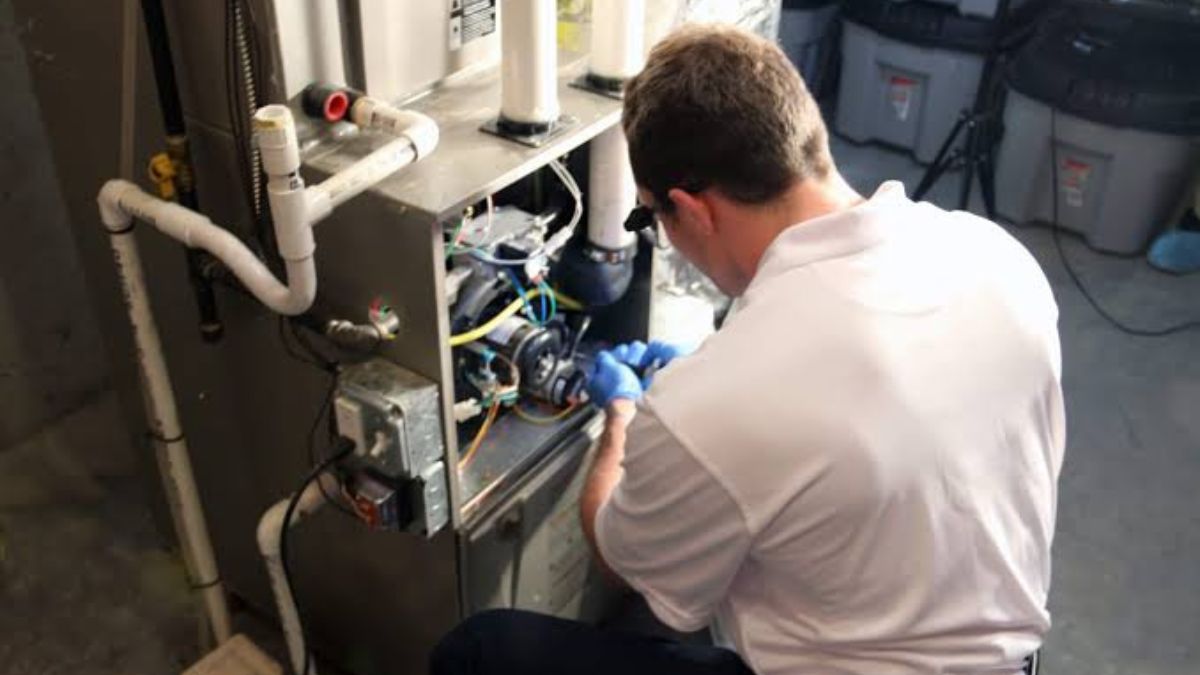
When harsh winters descend on New England, having a dependable heating system is a necessity for every homeowner. Comfort, safety, and energy efficiency are all at stake. For those facing an aging or unreliable furnace, furnace replacement in Boston, MA, is a priority to ensure your family’s well-being during the coldest months. J W HVAC/R Service and Repair specializes in providing top-quality furnace replacement in Boston and the surrounding areas. As a family-owned business founded in 2016, they are committed to customer service and technical expertise, setting them apart from competitors in the region. With many years of hands-on experience, the J W HVAC/R team has built a strong reputation for trustworthiness and swift response to both routine and emergency heating needs. Their technicians are trained to maintain, repair, and replace various heating systems, making them a valuable partner for maintaining indoor comfort year-round. For homeowners looking to improve indoor safety, they also offer dryer vent cleaning services as part of their commitment to comprehensive home care. J W HVAC/R takes an education-first approach, empowering clients with accurate information and advice regarding HVAC system longevity and health. Their focus on building customer confidence is why they are a trusted option for prompt and honest service throughout Boston and the Greater Brockton area.
Why Choose J W HVAC/R Service and Repair for Your Furnace Replacement?
Choosing the right team for a furnace replacement project is crucial. J W HVAC/R Service and Repair stands out for its uncompromising dedication to client satisfaction. Each furnace and heating challenge is approached with careful evaluation and personalized solutions that protect your investment and comfort. Skilled technicians provide thorough system assessments, ensure compliance with local safety codes, and keep all installations up to strict industry standards. In addition to replacement and installation, the company guides clients with clear follow-up instructions, fostering trust well beyond the installation phase. Their unwavering professionalism is reflected in the many positive testimonials from satisfied customers who have benefited from their attentive support and expertise.
Understanding Furnace Replacement Costs in Boston
Furnace replacement is a major investment. In Boston, the average replacement cost is around $6,750, but prices typically range from $3,750 to $11,250, depending on factors such as system type, labor, home age, and installation complexity. Boston-area residents pay about 20 percent more than the statewide average in Massachusetts, a difference attributed to metropolitan costs and housing characteristics. Understanding these expenses helps homeowners plan for this important upgrade.
Signs It’s Time to Replace Your Furnace
Knowing when to replace your furnace can save you from unexpected breakdowns and costly emergency calls. Common warning signs include frequent repairs that offer only temporary relief, uneven heating that leaves cold spots in certain rooms, odd operational noises such as banging or rattling, and a noticeable spike in your monthly energy bills. Consulting a professional at the first sign of trouble can prevent more expensive repairs down the line. J W HVAC/R Service and Repair performs detailed inspections and honest assessments, helping homeowners make informed decisions on the best and most cost-effective solution for their unique situation.
The Furnace Replacement Process with J W HVAC/R Service and Repair
- Initial Consultation: An in-depth personal assessment of your existing furnace and evaluation of your household’s heating needs.
- Customized Recommendations: Technicians explain various replacement options tailored to your budget, energy preferences, and square footage.
- Professional Installation: Certified, experienced installers coordinate a seamless furnace replacement while ensuring home safety and system efficiency.
- Post-Installation Support: Guidance on proper usage, care, and scheduling of ongoing maintenance is provided to maximize your new system’s service life.
Energy Efficiency and Cost Savings
One of the most compelling reasons to upgrade to a new furnace is the immediate improvement in energy efficiency. Modern systems use less fuel to produce the same level of warmth, translating into lower monthly utility bills and a reduced carbon footprint. Many newer models are designed to meet or surpass Energy Star standards, providing homeowners with tangible savings over the lifespan of the furnace. This not only helps households save money but also aligns with broader sustainability objectives.
Customer Testimonials
Satisfied clients consistently praise the professionalism, technical skill, and responsiveness of J W HVAC/R Service and Repair. One homeowner shared, “Our heat went out this cold December morning, and Jerome came right at the top of his arrival window, worked quickly, and got our HVAC motor replaced. Very satisfied with the service and speed.” These genuine testimonials highlight the peace of mind and comfort that come from partnering with a team that puts the customer first.
Schedule Your Furnace Replacement Today
Taking a proactive approach to furnace replacement can prevent sudden breakdowns at the worst possible time. J W HVAC/R Service and Repair is ready to help you assess your system, provide expert recommendations, and deliver efficient installation so you can enjoy uninterrupted warmth all winter long. Schedule your consultation today and invest in your comfort for seasons to come.
Frequently Asked Questions
How long does a furnace replacement take?
The process typically takes 1 to 2 days, depending on factors such as home layout, additional ductwork, or safety considerations.
Are there financing options available for furnace replacement?
Yes. JW HVAC/R Service and Repair offers flexible financing options to help homeowners with varying budgets. These should be discussed with the team during your initial consultation.
What maintenance is required for a new furnace?
Routine maintenance includes annual professional inspections, regular filter changes, and keeping the area around the furnace clean and accessible for safety and efficiency.
Can I replace my furnace myself?
Furnace replacement is a complex procedure that requires licensed professionals for code compliance and safety. Homeowners are advised to work with experienced technicians such as those at J W HVAC/R Service and Repair.
How do I know which furnace is right for my home?
The ideal furnace depends on the size of your home, existing insulation, and specific heating preferences. J W HVAC/R Service and Repair conducts thorough assessments to guide you in selecting the system best suited to your needs.
Conclusion
Replacing an outdated furnace is a smart investment in your home’s comfort, safety, and energy efficiency. J W HVAC/R Service and Repair provides Boston homeowners with expert guidance, professional installation, and dependable customer support throughout the replacement process. By recognizing the signs of a failing furnace and upgrading to a modern, energy-efficient system, you can reduce utility costs, improve indoor comfort, and enjoy reliable heating during New England’s cold winters. With experienced technicians and a commitment to quality service, J W HVAC/R Service and Repair helps ensure your new furnace delivers lasting performance and peace of mind for years to come.
The internet is full of unfamiliar names, codes, and identifiers that can be confusing at first glance. One such term that has recently caught attention is Galstar 79.1.
What is Galstar 79.1?
Galstar 79.1 appears to be a structured identifier or naming label rather than a commonly recognized product, company, or concept.
It may represent:
- A system-generated code
- A version label
- A model or dataset name
- A project or internal reference
Unlike purely random strings, Galstar 79.1 has a readable format, suggesting intentional naming.
Breaking Down the Term Galstar 79.1
Let’s analyze the components:
Galstar
- Could be a brand-style or project name
- May combine “Gal” (possibly galaxy/global) and “Star” (highlighting importance or ranking)
79.1
- Likely a version number or identifier
- Could indicate iteration, dataset version, or release stage
Together, the term resembles a versioned system or product name.
Possible Origins of Galstar 79.1
1. Software or System Version
Many tools use names followed by version numbers.
2. Internal Project Codename
Organizations often assign creative names to internal systems.
3. Dataset or Model Label
Used in AI, analytics, or research environments.
4. Product or Prototype Naming
Could represent a product version under development.
Where You Might Encounter Galstar 79.1
You may see Galstar 79.1 in:
- Software dashboards
- Technical documentation
- APIs or backend systems
- Data reports
- Online discussions or search results
Its context will determine its exact meaning.
Technical Interpretations
From a technical perspective, Galstar 79.1 could be:
1. Version Identifier
Marks a specific release or update.
2. System Tag
Used to label a module or component.
3. Dataset Reference
Identifies a specific dataset version.
4. Internal Tracking Code
Used for organization and tracking.
Is Galstar 79.1 a Product, Code, or System Tag?
Currently, there is no widely recognized product named Galstar 79.1.
It is most likely:
- A code or identifier
- A versioned system label
- A project or dataset reference
It does not appear to be a mainstream consumer-facing product.
Common Uses of Identifiers Like Galstar 79.1
Structured identifiers are used in:
- Software development
- Data science
- Cloud systems
- Analytics platforms
- Research environments
They help maintain clarity and organization.
Why Galstar 79.1 is Gaining Attention
1. Structured Naming
Looks meaningful compared to random strings.
2. Curiosity Factor
Users search for unfamiliar terms.
3. SEO Indexing
Search engines index unusual identifiers.
4. Digital Transparency
People want to understand hidden system labels.
Is Galstar 79.1 Safe or Legit?
Safe Contexts
- Appearing in trusted platforms
- Found in technical documentation
- Used in legitimate systems
Caution Contexts
- Embedded in unknown links
- Appearing in spam messages
- Linked to suspicious downloads
Always evaluate the source before interacting.
How to Understand Similar Terms
1. Analyze Structure
Look for patterns like names + numbers.
2. Check Context
Where did you find it?
3. Search for Official References
Look for documentation or credible sources.
4. Stay Cautious
Avoid interacting with unknown or suspicious content.
Conclusion
Galstar 79.1 is best understood as a structured identifier or version label used in technical or digital environments. While it may appear meaningful, it likely serves an internal or organizational purpose rather than representing a widely known product.
FAQ’s
What is Galstar 79. 1?
Galstar 79. 1 is likely a structured identifier or version label used in technical systems.
Is Galstar 79.1 a real product?
There is no widely known product by this name; it is likely a system or project label.
What does the “79. 1” mean in Galstar 79.1?
It likely represents a version number or iteration.
Where is Galstar 79. 1 used?
It may appear in software systems, datasets, or technical environments.
Is Galstar 79. 1 safe?
It is generally safe if found in trusted contexts, but caution is advised with unknown sources.
-

 GENERAL1 year ago
French Language Learning for Kids: A Joyful Path to Bilingual Brilliance
-

 Entertainment1 year ago
Exploring the World of NHentai: A Comprehensive Guide to nhentai.met
-

 Entertainment1 year ago
Enchantment & Excitement: Crafting Unforgettable Event Experiences
-

 topic4 weeks ago
How To Compare the True Cost of Golf Course Community Living in Palm Beach Gardens, Florida
-

 GENERAL2 years ago
Latest Trends in Men’s and Women’s Jackets for the Upcoming Season
-

 Fashion2 years ago
Best Shampoos and Treatments from OZ Hair and Beauty for Thinning Hair: Strengthen and Revitalize Your Strands
-

 Home2 months ago
How to Choose the Right Rancho Santa Fe Setting for Your 2026 Home Search
-

 GENERAL2 years ago
From Fan Art to Original Works: The Diversity of doujindesu Creations