
Uncategorized
5 Common Mistakes to Avoid When Buying a Commercial Appliance for Your Facility

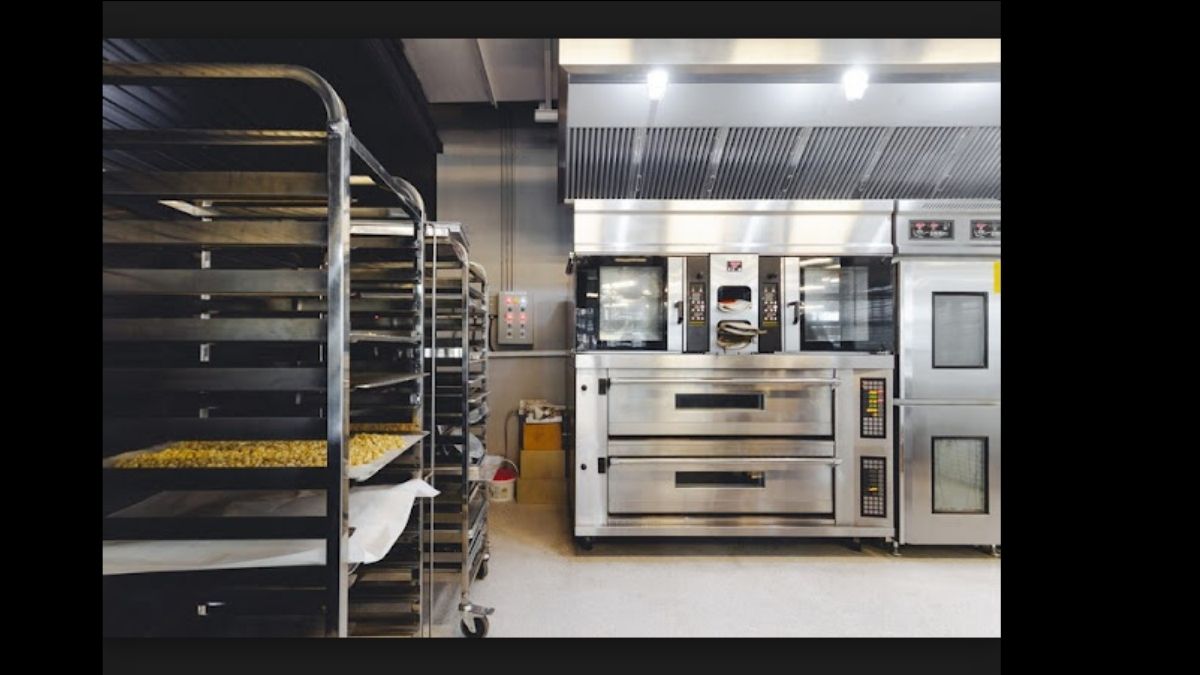
Buying a commercial appliance can be a significant investment in outfitting your facility with the right equipment. Whether you run a restaurant, a hospital kitchen, or manage a hotel, the right appliance can make or break your operations.
However, many facility managers or business owners make common mistakes when selecting commercial appliances, leading to unnecessary costs, downtime, and frustration.
Let’s walk you through some of these mistakes so you can make better decisions for your business.
Common Mistakes to Avoid When Buying a Commercial Appliance for Your Facility
1. Not Considering Long-Term Durability
One of the biggest mistakes people make is focusing only on the upfront cost of a commercial appliance without considering how long it will last. It’s easy to get drawn in by a lower price, but if the appliance breaks down sooner than expected, you’ll spend more on repairs or replacements in the long run.
Look for appliances built to last, with quality materials and reliable components. Investing in durable equipment will save you money and downtime over time. Always check manufacturer reviews and warranties to understand better how long the product will last.
2. Choosing Appliances Based on Features, Not Functionality
While buying an appliance with the most advanced features is tempting, functionality should always come first. For instance, if you’re looking for a commercial appliance for a restaurant kitchen, having an oven with 20 different cooking modes might not be necessary.
Instead, focus on appliances that meet your business’s specific needs. Will the stove handle the volume you need? Does it have the correct capacity and size for your space? Ensuring the appliance serves its intended function efficiently will prevent frustrations and help your business run smoothly.
3. Ignoring Energy Efficiency
When purchasing a commercial appliance, energy efficiency is often overlooked, but this mistake can quickly increase utility costs. Commercial appliances that are energy-efficient not only lower your environmental footprint but also save you money on electricity bills.
Before purchasing, check for ENERGY STAR ratings and ask about the appliance’s power usage. A more energy-efficient appliance might cost a little more upfront, but the savings you’ll experience over the years will make up for the difference.
4. Not Considering the Space and Layout of Your Facility
Each facility is different; what works in one kitchen or laundry room might not fit in another. Many people make the mistake of buying an appliance without adequately measuring the space where it will be placed.
A commercial appliance that’s too big or too small for the space can cause significant operational issues. Always take accurate measurements of the area where the appliance will go. Consider the workflow and how the appliance will fit into your daily operations. The right appliance can make your space more efficient, while a poorly placed one can cause unnecessary disruption.
5. Failing to Plan for Maintenance and Service
Another critical mistake is not considering the ongoing maintenance requirements for a commercial appliance. Just because an appliance looks good and works well when you first buy it doesn’t mean it will stay in top condition forever.
Ensure that the appliance you choose is easy to maintain and that parts are readily available. You’ll also want to confirm that the supplier offers good customer service in case of repairs. A reliable maintenance plan will keep the appliance running smoothly and prevent costly breakdowns that can disrupt your business.
6. Overlooking Vendor Reputation
Not all commercial appliance vendors are created equal. Purchasing from a supplier with a poor reputation can lead to delays, subpar products, or customer service nightmares. Before making a purchase, do some research on the vendor.
Look for reviews from other businesses that have bought from them, and see how responsive and helpful their customer support team is. A reputable supplier like LinenPlus can help ensure that you get the right equipment and support when needed. Don’t just go with the cheapest option—ensure the vendor has a track record of delivering quality appliances.
7. Ignoring Future Growth and Expansion
When you purchase a commercial appliance, it’s also important to consider your future needs. Your business may expand, or your facility may require different equipment in a few years.
Focusing only on your current needs may cause you to replace appliances sooner than expected. Consider choosing an appliance with more capacity or flexibility to meet future demands. For example, a larger refrigerator or a more versatile dishwasher might serve you well as your business grows, preventing the need for another purchase.
Bottom Line
Buying the right commercial appliance for your facility is essential to ensuring that your operations run smoothly and efficiently. By avoiding these common mistakes, you can make a more informed decision and invest in equipment that works well now and in the future. From considering durability to factoring in maintenance and space, every choice matters.
When you’re ready to purchase, remember that choosing a trusted supplier can make all the difference. With companies like LinenPlus, you can access high-quality, durable, and energy-efficient appliances to help your business succeed.
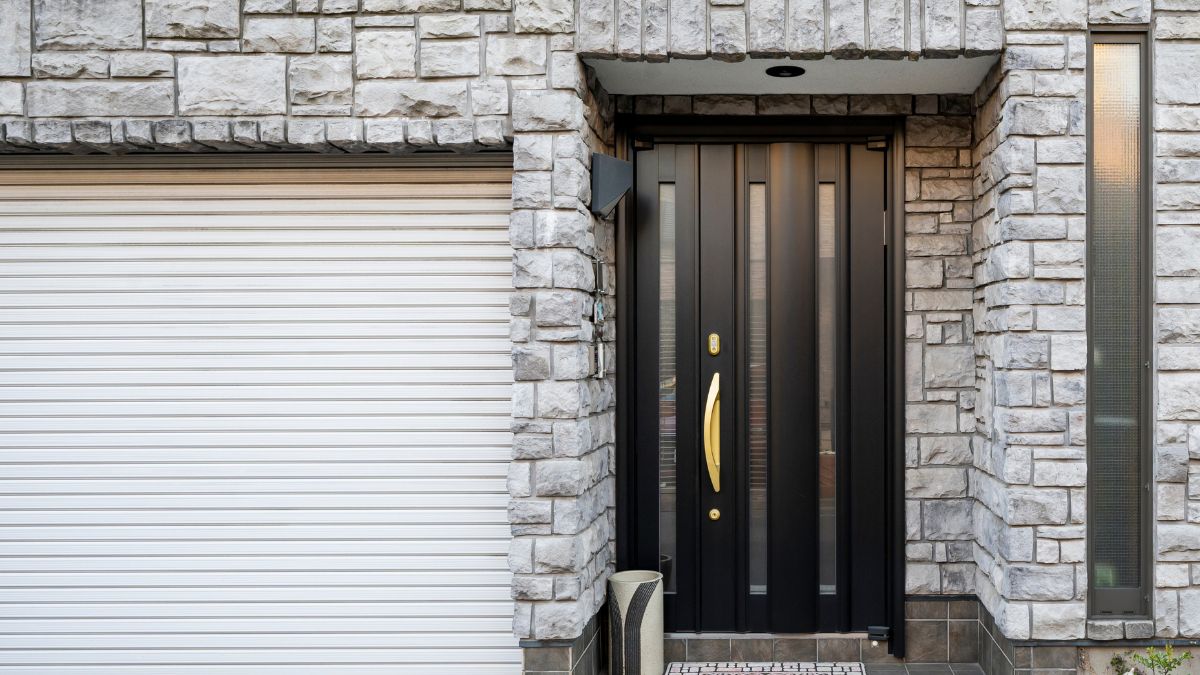
As homeowners continuously reassess the value, security, and curb appeal of their properties, the garage door industry is undergoing rapid innovation to meet changing demands. Modern garage doors have become more than just entryways; they are now considered focal points for both style and home protection. Those invested in a garage door franchise are discovering that keeping pace with the latest trends is not just beneficial but essential for offering competitive services and products.
From technological advancements to the rise of sustainability, the future of garage doors is being shaped by evolving homeowner preferences and societal priorities. Let’s explore the most significant changes that are redefining what to expect from a modern garage door, whether for a new build or a renovation project.
Smart Technology Integration
The shift towards smart homes has naturally extended to garage doors, introducing features that prioritize convenience and control. Using smartphone apps and voice assistant platforms, individuals can operate their garage doors remotely, adding significant flexibility to everyday routines. This seamless connectivity is enhanced by the integration of predictive maintenance alerts powered by artificial intelligence, reducing unexpected breakdowns and minimizing repair costs. Forbes highlights how this trend is expected to accelerate as smart home ecosystems become more sophisticated.
Furthermore, safety is amplified with tools like automated lighting, video monitoring, and scheduled locking, all accessible via a smart device. Smart integration is creating garage spaces that are safer, more efficient, and aligned with digital lifestyles.
Energy Efficiency and Sustainability
Sustainability is a growing priority in home improvement decisions, and the garage door sector is no exception. Energy-efficient garage doors, designed with superior insulation and tight weather seals, are now mainstream solutions for reducing energy consumption and maintaining indoor temperature stability. Materials such as recycled steel and composite substitutes for wood not only decrease environmental impact but also add to door durability and longevity. Homeowners and businesses alike are searching for products that reflect their environmental values while contributing to lower utility bills over the long term.
These options are especially important as homes aim to adapt to stricter environmental regulations and increasing energy costs, underscoring the importance of making sustainability a cornerstone of new purchases or upgrades.
Expanding into the industry often means understanding evolving ownership dynamics. For those interested in entrepreneurship, Garage Door Business Ownership is an informative starting point for learning what it takes to succeed in this changing field.
Modern and Customizable Designs
Where garage doors were once a purely functional feature, they are now seen as key architectural components. Current trends emphasize clean lines, minimalist hardware, and a broad spectrum of customizable options. Homeowners are being offered more flexibility in choosing styles, colors, finishes, and window layouts, ensuring the garage door enhances rather than detracts from a property’s appearance.
This trend is further supported by demand for unique, contemporary exteriors and the desire to maximize curb appeal, an important factor for property value. Personalization and innovative design elements remain top priorities for homeowners tackling exterior home improvements.
Enhanced Security Features
Rising crime rates and growing awareness of property vulnerabilities have pushed security innovations to the forefront of garage door design. Modern systems often feature rolling code technology, which changes the access code each time the door is operated, reducing the risk of unauthorized entry. Motion sensors and automatic locking mechanisms are now standard in many new models, while some systems offer integration with broader home security monitors, creating a cohesive safety network.
Real-time alerts and app-based notifications further enable homeowners to respond quickly to suspicious activity, providing peace of mind whether at home or away.
Durable and Low-Maintenance Materials
Durability is another key expectation for modern garage doors. The industry has shifted away from traditional timber and introduced robust materials such as steel, aluminum, and advanced composites, which offer the visual charm of wood but significantly less maintenance. These options are designed to withstand extreme temperatures, weather, and frequent use, factors particularly important as climate patterns become less predictable.
New coatings and finishes resist corrosion, fading, and dents, making long-term care simpler than ever before. This results in garage doors that retain their appearance and performance with minimal intervention, reducing lifecycle costs for both residential and commercial settings.
Conclusion
Innovation in the garage door sector continues to accelerate, with technology, design, sustainability, and security driving new product features. Whether considering an upgrade or new installation, being informed about these trends helps property owners make choices that enhance their investment and daily living experience. For those seeking to explore industry opportunities or simply reimagine their home’s garage, integrating these advancements is essential for future-ready living.


The term çeciir may not be widely known outside certain regions or cultures, but its meaning and significance resonate deeply within the communities that understand and preserve it. Whether considered a traditional concept, a symbolic expression, or a representation of heritage, çeciirs is more than just a word — it is a story carried across generations.
In this article, we’ll explore the origin of çeciirs, its relevance in cultural contexts, and how it has found a place in modern conversations about identity and preservation. This deep dive is perfect for anyone curious about lesser-known cultural expressions that carry historical and emotional weight.
What Is Çeciir?
Çeciir is a multifaceted term with roots in ancient traditions. While the exact meaning can vary depending on regional usage, it is commonly associated with storytelling, wisdom, and oral heritage. In some interpretations, çeciirs refers to the act of sharing life lessons through stories passed down verbally.
This form of communication was especially important in pre-literate societies, where knowledge and history were transmitted orally from one generation to the next. Çeciirs became both a method of preserving culture and a form of entertainment during gatherings, ceremonies, or daily routines.
The Linguistic Roots of Çeciirs
Linguistically, çeciir appears to derive from older dialects, possibly blending terms associated with speech, wisdom, and legacy. Some scholars suggest it may originate from a Turkic or East African linguistic background, though exact documentation is limited due to its oral nature.
What is consistent, however, is its use in representing the act of “telling stories with purpose.” This is a distinct contrast to mere entertainment — çeciirs stories often contain moral lessons, cultural values, and ancestral knowledge.
Çeciir as a Cultural Practice
In many communities where çeciir is practiced, storytelling holds a sacred place. Elders are often considered the primary custodians of this tradition, using çeciirs to educate younger generations.
These stories may focus on:
-
Historical events
-
Folk legends
-
Moral dilemmas
-
Proverbs and sayings
-
Ancestral wisdom
Storytelling sessions, often held during communal gatherings, help to strengthen social bonds and affirm shared values. Through çeciirs, younger members of the community not only learn about their history but also build a sense of identity and belonging.
The Evolution of Çeciir in the Digital Age
While traditional storytelling has largely been oral, the digital age has given new life to çeciir in written, audio, and video formats. Podcasts, blogs, and social media posts now serve as platforms for modern-day storytellers to share ancestral narratives and contemporary tales inspired by the essence of çeciirs.
Youth in diaspora communities are especially embracing these formats to reconnect with their heritage. By posting stories under hashtags related to çeciirs, they are ensuring that the tradition evolves while remaining rooted in its original intent — passing on knowledge and preserving culture.
Why Çeciir Matters Today
In a world dominated by quick information and short attention spans, çeciir offers a counterbalance. It invites people to slow down, listen, and reflect. More than ever, traditions like çeciirs are essential for:
-
Preserving endangered languages and dialects
-
Strengthening community identity
-
Combating cultural erasure
-
Encouraging intergenerational connection
Educational institutions and cultural organizations are now recognizing the value of çeciirs as a learning tool. Some even include it in heritage-based curriculum or community storytelling projects.
The Spiritual Dimension of Çeciir
In some cultures, çeciir is not just about cultural stories — it also carries spiritual significance. Stories shared through çeciirs may involve divine messages, guidance from ancestors, or mythological tales that explain the mysteries of the universe.
During spiritual ceremonies, a well-told çeciirs might be seen as a form of communion with the past. It becomes a sacred act — something more than storytelling, something closer to ritual.
This blend of cultural and spiritual storytelling enhances the depth of çeciirs and reveals how stories can transcend entertainment to become tools for healing, guidance, and unity.
Preserving Çeciir for Future Generations
As oral traditions face the threat of extinction in many parts of the world, efforts to preserve çeciir are gaining momentum. Cultural activists, linguists, and educators are:
-
Recording elder storytellers before their voices are lost
-
Translating çeciirs into written form while maintaining its authenticity
-
Creating spaces — both digital and physical — where storytelling thrives
-
Encouraging families to continue storytelling as a regular tradition
By preserving çeciirs, we protect more than just stories — we safeguard worldviews, wisdom, and the emotional tapestry of cultures that risk fading into obscurity.
Çeciir and Its Place in Global Culture
As global interest in indigenous knowledge and oral histories increases, çeciir is beginning to receive international attention. Documentaries, cultural exhibits, and literature festivals are including panels and performances that feature çeciir-style storytelling.
This growing recognition underscores the universal appeal of authentic stories. Regardless of where a person comes from, there is a shared human need to connect through narratives. Çeciirs reminds us that every culture has valuable stories worth listening to.
How to Embrace Çeciir in Everyday Life
You don’t have to be a scholar or cultural expert to engage with çeciir. Here are a few simple ways to bring its spirit into your daily life:
-
Listen to elders and ask them to share their stories.
-
Start a storytelling circle in your community or family.
-
Write down stories from your culture and share them.
-
Support projects and platforms that promote oral history.
-
Reflect on your own experiences and how they could be told to inspire others.
By embracing çeciirs, you become a part of a living tradition — one that values wisdom, respect, and meaningful human connection.
Final Thoughts
Çeciir is more than a word — it’s a vessel for history, a bridge between generations, and a mirror reflecting the soul of a culture. In a rapidly changing world, the importance of keeping such traditions alive cannot be overstated.
Whether passed down around a fire, shared through a podcast, or written in a book, çeciirs remains an enduring legacy. Its power lies not only in the stories themselves, but in the act of sharing them.

Introduction
Once lauded for its durability and heat resistance, asbestos is now recognized as a significant health hazard. Thousands of buildings constructed before the implementation of strict asbestos regulations still contain this hazardous material. While initial asbestos inspections and testing are vital, periodic reinspections are equally crucial for maintaining a safe environment. Ensuring the effectiveness of asbestos management plans helps safeguard people from exposure and meets legal safety requirements. This article delves into why regular asbestos reinspections are critical for long-term safety and how they are pivotal in managing the risks associated with this dangerous substance.
The Importance of Asbestos Reinspection
Reinspections are not just routine checks but are essential for ensuring that asbestos management strategies remain effective over time. Asbestos-containing materials (ACMs) can deteriorate or become damaged, increasing the risk of fiber release into the air. This degradation could be due to several factors, including age, environmental conditions, or building renovations. By revisiting these sites regularly through asbestos testing services, potential risks can be assessed and mitigated promptly. This proactive approach helps maintain a safe living or working environment while complying with health regulations.
Detecting Deterioration in Asbestos Materials
One of the main goals of asbestos reinspection is to detect any deterioration in the condition of asbestos-containing materials. Over time, ACMs can experience physical wear and tear due to exposure to the elements, structural shifts, or inadvertent interference. Even minor damages can lead to the release of asbestos fibers, creating a significant health hazard for occupants. By conducting regular reinspections, property owners can identify issues such as cracking, delamination, or water damage early on. Prompt detection allows for timely repairs or removal, thus maintaining the integrity of the asbestos management plan.
The Role of Professional Services in Reinspection
The complexity and potential dangers associated with asbestos reinspections necessitate the involvement of professional asbestos testing services. These professionals possess the expertise and tools required to accurately assess the condition of ACMs and determine whether they remain safe or require action. Their comprehensive knowledge ensures a thorough evaluation of all areas that contain or potentially conceal asbestos materials, providing a reliable assessment that underlies effective management plans. Moreover, professional services can also recommend actions ranging from simple repairs to complete removal, depending on the severity of the deterioration observed during reinspections.
Long-Term Health Risk Mitigation
The primary reason for asbestos management and reinspection is to protect people from the serious health risks of asbestos exposure. Asbestos fibers, when airborne, can be easily inhaled and settle in the lungs, leading to diseases such as asbestosis, lung cancer, and mesothelioma. These conditions can develop years after exposure, with symptoms that can go unnoticed until they become severe. Regular reinspections help catch any potential for fiber release early, allowing for intervention before exposure. Not only does this proactive management protect current building occupants, but it also safeguards future entrants from potential health hazards.
Ensuring Compliance with Safety Regulations
Regular asbestos reinspections safeguard health and assist property owners in meeting federal, state, and local asbestos management standards. Regulatory bodies mandate specific requirements for the monitoring and managing asbestos in existing buildings, including the frequency and method of inspections. Fines, expensive cleanup orders, and legal ramifications may follow noncompliance. Property owners demonstrate their commitment to safety and remain aligned with legal obligations by maintaining a consistent schedule of reinspections. This compliance reinforces public trust and enhances the overall management of properties suspected of containing asbestos.
Conclusion
Asbestos reinspection is critical to managing the long-term safety of any building or environment that contains asbestos materials. It serves as a protective measure against the deterioration of these materials, which can pose significant health risks to occupants. Conducting regular reinspections with the help of professional services ensures thorough evaluations and supports adherence to health and safety regulations. By maintaining vigilance and proactivity in asbestos management, property owners can effectively safeguard their environments, uphold compliance, and, most importantly, protect the health and well-being of all who occupy these spaces. In the ever-evolving landscape of building safety, committing to regular asbestos reinspection is essential for long-term peace of mind.
-

 Entertainment11 months ago
Enchantment & Excitement: Crafting Unforgettable Event Experiences
-

 GENERAL1 year ago
From Fan Art to Original Works: The Diversity of doujindesu Creations
-

 GENERAL1 year ago
England Business Visa Requirements for American and International Citizens in 2025: A Guide for Entrepreneurs
-

 GENERAL11 months ago
Crossword Conundrum: The Significance of vault opener nyt crossword
-

 GENERAL1 year ago
Latest Trends in Men’s and Women’s Jackets for the Upcoming Season
-

 Fashion1 year ago
Best Shampoos and Treatments from OZ Hair and Beauty for Thinning Hair: Strengthen and Revitalize Your Strands
-

 GENERAL11 months ago
Exploring the World of nhentai.nef: A Comprehensive Guide for New Users
-

 Health1 year ago
Discovering gel ooru: The Ultimate Guide to This Unique Traditional Craft